The primary advantage of utilizing the beehive frame top bar is its strategic location as a high-traffic intersection immediately adjacent to the brood nest. Placing medication at this specific site exploits the colony's natural movement patterns, ensuring that treatments like Tylosin are physically transported by nurse bees directly to the most vulnerable developing larvae.
Core Takeaway Success in treating American Foulbrood relies on turning the bees into a distribution vector. By leveraging social nursing behaviors—specifically physical friction and food sharing—medication placed on the top bar is distributed uniformly to susceptible 2-day-old larvae, achieving precise pathogen control.
Strategic Placement for Maximum Efficacy
Capitalizing on High-Traffic Zones
The top bar of the hive frame is not merely a structural component; it serves as a high-traffic area for colony activity.
Because this bar is located at the core edge of the brood area, it acts as a gateway for bees moving in and out of the nursery.
Placing medication or delivery vehicles (such as paper bags) here guarantees maximum contact with the workforce responsible for caring for the young.
The Mechanism of Social Transfer
The effectiveness of this method relies on the social nursing behavior of the honeybees.
As bees traverse the top bar, they encounter the medication through physical friction, picking up particles on their bodies.
Subsequently, through food sharing mechanisms (trophallaxis), these bees pass the therapeutic agents throughout the colony, effectively turning the workforce into a delivery network.
Precision Targeting of Vulnerable Larvae
The ultimate goal of AFB control is to protect the developing brood, specifically the 2-day-old larvae which are highly susceptible to infection.
Top bar placement ensures that the medication is not just randomly dispersed, but uniformly transferred to the specific brood areas where these larvae are housed.
This results in precise control over pathogenic microorganisms exactly where the infection cycle attempts to take root.
Understanding the Limitations
Medication vs. Spore Load
While top bar delivery is effective for administering antibiotics like Tylosin to treat active infections, it does not remove the root cause: the resilient Paenibacillus larvae spores.
Spores possess extreme environmental resilience and accumulate in hive materials. Medication halts the bacterial growth in larvae but does not physically remove these dormant spores from the comb.
The Necessity of Environmental Management
Relying solely on medication placement ignores the environmental factors that contribute to disease.
Factors like humidity and temperature must be managed through proper ventilation to prevent fermentation and weaken conditions conducive to pathogen growth.
Furthermore, physical interventions like the shook swarm method (transferring bees to fresh wax) are often necessary to mechanically remove the spore burden that medication cannot destroy.
Making the Right Choice for Your Goal
To effectively manage American Foulbrood, you must distinguish between immediate treatment and long-term remediation.
- If your primary focus is arresting an active infection: Utilize the top bar placement method to ensure Tylosin reaches the 2-day-old larvae through social sharing.
- If your primary focus is long-term eradication: Combine medication with the shook swarm method to physically remove spore-laden combs and break the cycle of reinfection.
- If your primary focus is prevention: Ensure your hives are well-ventilated to regulate humidity and eliminate the damp conditions that favor pathogen proliferation.
Effective AFB control requires a dual approach: precise medication delivery to save the current brood, and physical sanitation to protect the future colony.
Summary Table:
| Advantage | Mechanism | Strategic Benefit |
|---|---|---|
| High-Traffic Access | Located at the core edge of the brood nest | Guarantees maximum contact with the nurse bee workforce |
| Social Transfer | Physical friction & trophallaxis (food sharing) | Turns bees into a distribution vector for uniform medication delivery |
| Precision Targeting | Proximity to the nursery | Directs treatment to 2-day-old larvae, the most vulnerable life stage |
| Application Ease | Accessible structural component | Facilitates quick placement of delivery vehicles like paper bags |
Elevate Your Apiary's Health with HONESTBEE
Protecting your colony from American Foulbrood requires both precise delivery and professional-grade equipment. HONESTBEE is dedicated to supporting commercial apiaries and distributors with high-performance beekeeping tools and machinery.
Whether you need precision honey-filling machines, durable hive-making hardware, or a consistent supply of beekeeping consumables, we provide the wholesale solutions necessary to scale your operations and ensure hive health.
Ready to optimize your production and safeguard your bees?
Contact HONESTBEE Today for Specialized Wholesale Support
References
- Francisco José Reynaldi, Roberto Rule. Evaluation of kinetic behaviour of two preparations of tylosin administered in beehives for American foulbrood control. DOI: 10.15547/bjvm.1024
This article is also based on technical information from HonestBee Knowledge Base .
Related Products
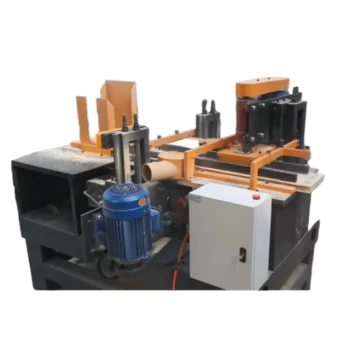
- HONESTBEE Top Bar & Bottom Bar Forming Machine | Bee Frame Machine
- Long Langstroth Style Horizontal Top Bar Hive for Wholesale
- Top Bar Beehive for Beekeeping Wholesales Kenya Top Bar Hive
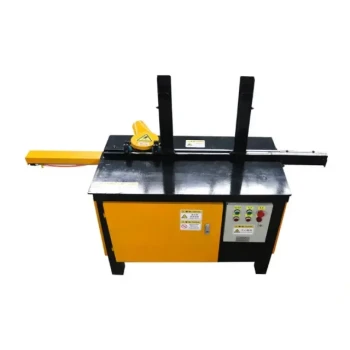
- HONESTBEE Bee Frame Side Bar Forming Machine Precision Engineered for High-Volume Production Bee Frame Machine
- Professional Bee Frame Machine for Side Bar Shaping
People Also Ask
- What is the primary function of the Top Bar and Bottom Bar Forming Machine? Automate Hive Frame Production Excellence
- How does the Top Bar and Bottom Bar Forming Machine process wooden strips? High-Precision Frame Component Production
- What is the operational sequence of the Top Bar and Bottom Bar Forming Machine? Precision Beekeeping Frame Manufacturing
- What are the key benefits of investing in the Top Bar and Bottom Bar Forming Machine? Scale Your Hive Production Now
- What customization options are available for the Top Bar and Bottom Bar Forming Machine? Engineered for Any Hive Standard