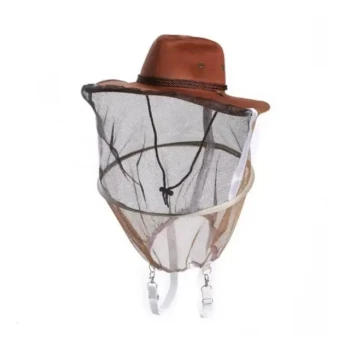
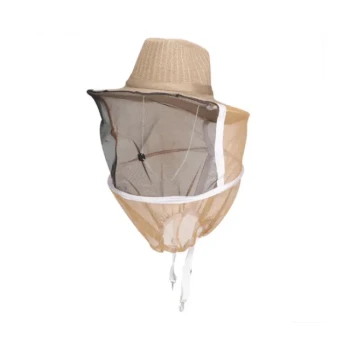
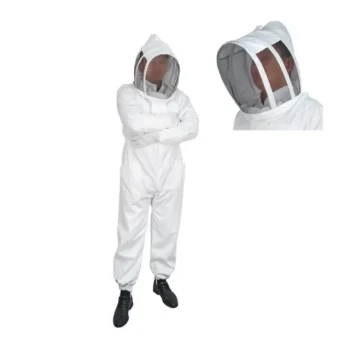
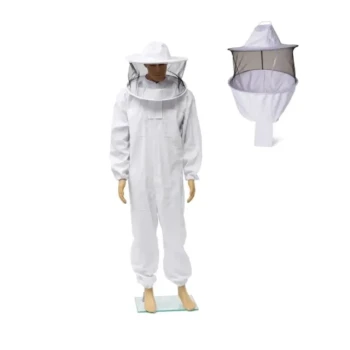
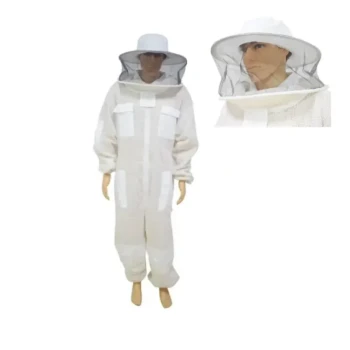
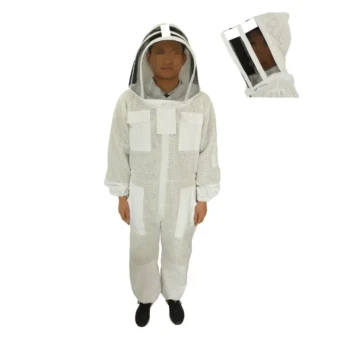
The primary advantage of a white bee veil when managing Africanized honey bees is a dramatic reduction in defensive attacks directed at the operator's face. Unlike European breeds, Africanized bees possess a strong biological instinct to target dark-colored objects. By utilizing a white veil, you minimize visual stimulation, preventing the bees from swarming your head and preserving your field of view during critical hive operations.
While black veils are the industry standard for reducing glare, they act as a specific target for Africanized honey bees due to the subspecies' aggressive response to dark colors. Switching to a white veil neutralizes this visual trigger, protecting the operator from being blinded by swarming bees and significantly lowering the psychological stress of the inspection.
The Biological Impact of Color
Reducing Attack Triggers
Africanized honey bees are genetically predisposed to identify dark shapes as threats. In the wild, their natural predators (such as badgers or bears) appear as dark contrasts against the environment.
When an operator wears a traditional black veil, they inadvertently mimic these predators. A white veil eliminates this high-contrast target, effectively "camouflaging" the operator's face from the bees' defensive instincts.
Lowering Colony Agitation
Visual stimulation is a key driver of escalation in Africanized colonies. Once a few bees begin to attack a dark object, alarm pheromones are released, triggering a chain reaction.
By using white gear, you reduce the initial visual stimulus. This decreases the likelihood of a massive defensive mobilization, keeping the overall colony demeanor more manageable during the inspection.
Operational Safety and Efficiency
Preserving Critical Vision
When bees attack a veil, they tend to cluster directly on the mesh. With a black veil, this can result in hundreds of bees obscuring your vision instantly.
Because white veils do not provoke this focused attack, the mesh remains relatively clear. This allows the beekeeper to maintain situational awareness, which is vital when working with unpredictable colonies.
Managing Psychological Stress
High-intensity swarming around the face creates significant psychological pressure for the operator. This stress can lead to rushed movements or mistakes.
The primary reference notes that white veils alleviate this stress. By preventing the bees from massing at eye level, the beekeeper can remain calm, deliberate, and focused on the mechanics of hive management rather than their immediate safety.
Understanding the Trade-offs: Visibility vs. Safety
The Glare Factor
It is important to acknowledge why black veils were the standard in the first place. Black mesh absorbs light, which eliminates sun glare and provides the highest level of transparency.
Visual Precision
White mesh reflects sunlight back toward the operator's eyes. In very bright conditions, this can create a "haze" that makes it slightly more difficult to spot fine details, such as eggs or young larvae.
However, when dealing with Africanized genetics, the safety benefits of the white veil almost always outweigh the slight reduction in optical clarity.
Making the Right Choice for Your Goal
Selecting the correct protective gear depends on the specific genetics of your apiary and your management priorities.
- If your primary focus is safety with defensive colonies: Prioritize white veils to neutralize attack triggers and prevent bees from obscuring your vision.
- If your primary focus is visual precision with docile breeds: Stick to traditional black veils to minimize glare and maximize contrast for spotting queens or eggs.
By adapting your equipment to the behavior of the bees, you transform a potentially dangerous interaction into a manageable and controlled operation.
Summary Table:
| Feature | White Bee Veil (Africanized Management) | Black Bee Veil (Traditional Standard) |
|---|---|---|
| Bees' Reaction | Neutralizes attack instincts; less agitation | High-contrast target; triggers defensive swarm |
| Operator Vision | Remains clear; fewer bees cluster on mesh | Can be obscured by massing bees during attacks |
| Glare Reduction | Lower; light reflects off white mesh | High; absorbs light for better transparency |
| Best Use Case | Defensive/Africanized honey bee colonies | Docile European breeds and queen spotting |
| Safety Benefit | Reduces psychological stress and stings | Standard visibility for calm environments |
Optimize Your Apiary Operations with HONESTBEE
Managing defensive honey bee colonies requires specialized equipment that prioritizes safety without compromising efficiency. HONESTBEE is a leading global supplier dedicated to supporting commercial apiaries and distributors with high-performance solutions.
Our extensive portfolio includes:
- Advanced Protective Gear: From white veils designed for Africanized bee management to heavy-duty bee suits.
- Industrial Machinery: Professional hive-making and honey-filling machines for high-capacity production.
- Comprehensive Supplies: A full spectrum of beekeeping tools, industry consumables, and honey-themed cultural merchandise.
Whether you are scaling a commercial operation or stocking for distribution, we provide the hardware and expertise to help your business thrive. Contact us today to explore our wholesale offerings and equipment solutions!
References
- Jamie Ellis, Amanda Ellis. African Honey Bee, Africanized Honey Bee, Killer Bee, Apis mellifera scutellata Lepeletier (Insecta: Hymenoptera: Apidae). DOI: 10.32473/edis-in790-2009
This article is also based on technical information from HonestBee Knowledge Base .
Related Products
- White Cotton Beekeeping Jacket and Veil for Bee Keepers
- Premium Cowboy Beekeeper Hat with Visibility Veil Outdoor Professional Beekeeping Protective Gear
- Beekeeper Cowboy Hat and Veil for Beekeeping
- Professional Square Folding Wire Mesh Beekeeping Veil
- High-Definition Beekeeper Hat with Round Veil Mesh for Beekeeping
People Also Ask
- What are the features of an economical beekeeping jacket? Essential Protection for Budget-Conscious Beekeepers
- What are the pros of using a beekeeping jacket? Unlock Superior Comfort and Mobility for Your Apiary
- What factors should a new beekeeper consider when choosing between a jacket and a full suit? Security vs. Comfort
- What are the advantages of a beekeeping jacket? Superior Mobility & Comfort for Routine Hive Inspections
- When is a beekeeping jacket considered a more suitable choice than a full suit? Optimize Your Apiary Mobility