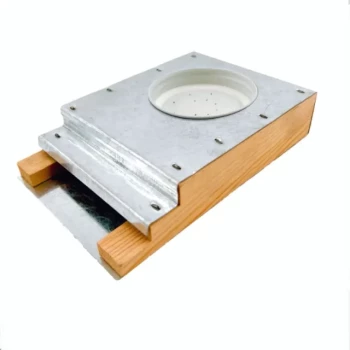
Baggie feeders offer a practical, low-cost solution for supplemental feeding that prioritizes bee safety by minimizing drowning risks. While they are highly effective for preventing robbing since they sit inside the hive, they require careful handling to avoid leaks and necessitate single-use plastic waste.
Baggie feeders are the ideal choice for beekeepers prioritizing budget and colony safety over convenience. They excel at delivering feed without inducing robbing or drowning bees, provided you are willing to manage the ongoing maintenance of replacing non-reusable bags.
The Mechanics of Safety and Efficiency
Preventing Bee Mortality
One of the most significant advantages of baggie feeders is the drastic reduction in bee drowning.
Unlike open division board feeders where bees frequently drown despite safety features like ladders or floats, baggie feeders provide a closed system.
The bees access the syrup through small perforations or slits, utilizing a large surface area to feed safely without becoming submerged.
Defense Against Robbing
Because the feed is located entirely inside the hive, baggie feeders significantly lower the risk of robbing.
External feeders can attract wasps and robber bees from other colonies, leading to resource loss and colony aggression.
By keeping the syrup internal, you limit access strictly to the colony you intend to support.
Economic and Practical Considerations
Cost-Effectiveness
For beekeepers operating on a tight budget, baggie feeders are arguably the most accessible option available.
The design is simple, utilizing common household materials rather than expensive, specialized apiary equipment.
Equipment Requirements
While the bags themselves are cheap, effective use requires specific hive configurations.
You generally need to add a feeder shim (a spacer rim) to the hive.
This shim creates the necessary vertical space above the frames to accommodate the full bag without crushing the bees or the feeder.
Understanding the Trade-offs
The Risk of Leaks and Mess
The most critical operational risk is the potential for leaks if the bags are handled roughly.
If a bag bursts or leaks inside the hive, it can create a significant mess that drowns bees and disrupts the colony.
Careful preparation and placement are essential to prevent this "unwanted mess."
Sustainability and Waste
Baggie feeders are not reusable.
Unlike durable plastic or wood feeders, the bags must be discarded and replaced regularly.
This creates a cycle of ongoing waste and maintenance, requiring you to purchase new supplies constantly rather than investing in a one-time tool.
Making the Right Choice for Your Goal
To determine if baggie feeders are the right tool for your apiary, consider your specific management style and resources.
- If your primary focus is maximizing bee safety on a budget: The baggie feeder is your best option, as it minimizes both drowning and robbing risks for the lowest possible cost.
- If your primary focus is sustainability and low maintenance: You should consider alternative methods, as baggie feeders generate plastic waste and require frequent replacement.
- If your primary focus is simplicity of setup: Be aware that you will need to acquire or build feeder shims to house the bags properly.
By weighing the low cost against the requirement for careful handling, you can ensure your feeding strategy strengthens your hive rather than creating a cleanup hazard.
Summary Table:
| Feature | Baggie Feeders | Traditional Feeders |
|---|---|---|
| Cost | Extremely Low (Disposable) | Moderate to High (One-time) |
| Bee Safety | High (Minimal drowning risk) | Variable (Drowning is common) |
| Robbing Prevention | High (Internal placement) | Lower (Especially external types) |
| Maintenance | High (Frequent replacement) | Low (Durable and reusable) |
| Requirements | Needs Feeder Shims/Spacers | Standard Hive Setup |
| Sustainability | Low (Single-use plastic) | High (Long-term durability) |
Scale Your Apiary with Professional Tools
Are you looking to move beyond manual DIY feeding methods to high-efficiency commercial operations? HONESTBEE is your strategic partner for success. We provide commercial apiaries and distributors with a comprehensive range of professional-grade beekeeping tools, machinery, and essential consumables.
From automated honey-filling machines to specialized hive-making equipment, we deliver the hardware you need to eliminate the mess and waste of temporary solutions. Our wholesale portfolio is designed to enhance your productivity and bottom line.
Ready to upgrade your beekeeping operations? Contact HONESTBEE today to explore our wholesale solutions and see how our expertise can drive your business forward.
Related Products
- HONESTBEE Entrance Bee Feeder Efficient Hive Front Liquid Feeding Solution for Beekeeping
- Rapid Bee Feeder White Plastic 2L Round Top Feeder for 8 or 10-Frame Bee Hives
- HONESTBEE Entrance Bee Feeder Professional Hive Nutrition Solution for Beekeeping
- White Plastic 0.5L Beekeeping Entrance Feeder for Bees
- HONESTBEE Professional Hive Top Bee Feeder Feeding Solution
People Also Ask
- What types of bee feeders are available for beginners? Start with the Simple Entrance Feeder
- What are the advantages and disadvantages of using an entrance feeder for bees? Balance Convenience and Hive Security.
- What is a bee entrance feeder and what are its drawbacks? Essential Guide to Hive Security and Feeding Efficiency
- How does a bee entrance feeder work? A Simple Guide to Convenient Hive Feeding
- How to make an entrance feeder for bees? A DIY Guide for Safe & Effective Feeding