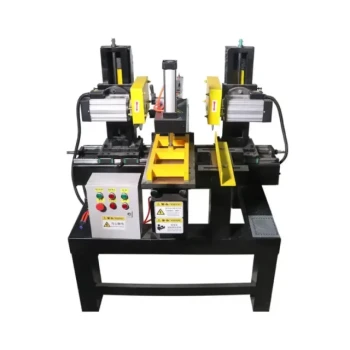
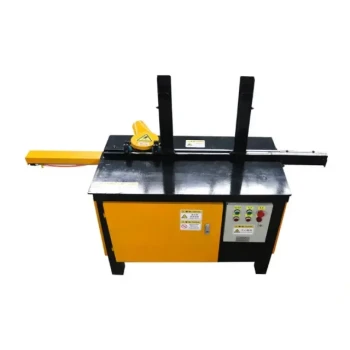
The implementation of modern hive-making machines and management systems provides a dual advantage of hardware precision and environmental intelligence for large-scale apiaries. These technologies automate the production of standardized, durable hive components while simultaneously enabling data-driven decisions to protect colonies from external threats like pesticides.
Core Takeaway Success in commercial beekeeping relies on removing variability from both the equipment and the environment. Modern machinery ensures every hive offers a consistent, biologically optimized structure, while advanced management systems allow apiaries to scientifically navigate around environmental hazards, securing both colony health and product quality.
Enhancing Efficiency through Standardization
Precision and Interchangeability
Specialized hive-making machines allow for the mass production of standardized components with high dimensional accuracy. This ensures that frames and box bodies are completely interchangeable across different hives and batches.
This uniformity is critical for maintaining precise "bee space," which dictates how bees build comb and move within the hive. It simplifies routine tasks such as colony migration, inspection, and component replacement, significantly enhancing mechanized operation efficiency.
Facilitating Rapid Expansion
Automated manufacturing provides the reliable hardware infrastructure necessary for large-scale, clustered beekeeping operations. By producing components in-house, apiaries can rapidly increase colony counts without facing supply bottlenecks or quality inconsistencies.
This capability reduces long-term procurement costs. It serves as the technical foundation for expanding operations while maintaining the rigorous standards required for industrial management.
Optimizing Colony Health and Stability
Creating Stable Micro-environments
Machine-produced hives are well-sealed and structurally sound, creating a stable internal environment for the colony. This precision allows for better management of internal airflow and humidity, which is essential for maximizing production potential.
Standardized construction helps maintain a consistent micro-environment that buffers bees against environmental stress. This is particularly vital for supporting specific bee subspecies during critical periods like overwintering and spring development.
Reducing Disease and Pest Risks
The high-precision processing of modern machines reduces gaps and structural flaws where pests and parasites often hide. Well-sealed hives naturally lower the risk of infestation and support precise hygiene management.
By minimizing these biological stressors, the hardware directly contributes to lower colony loss rates. Consistent housing standards are a fundamental component of effective disease control strategies in large operations.
Strategic Risk Management and Mobility
Scientific Avoidance of Pesticides
When integrated with advanced management systems, modern apiaries gain the ability to monitor pesticide application periods in surrounding agricultural areas effectively. This data enables scientifically scheduled relocations.
By moving colonies to avoid peak spraying times, apiaries significantly reduce harm to bee health. This proactive management also preserves the purity and quality of bee products at the source.
Durability in Migratory Operations
High-quality hives produced by efficient machines offer superior resistance to wear and tear during frequent cross-regional transportation. This durability is essential for apiaries that provide pollination services and require frequent mobilization.
Robust construction lowers long-term operational costs by reducing the frequency of hive repairs. It ensures the reliability of the hardware even under the physical stress of migratory beekeeping.
Understanding the Trade-offs
Capital Investment vs. operational Scale
Implementing industrial-grade hive-making machinery requires a significant upfront capital investment. This expenditure is generally only justifiable for operations that have reached a critical mass where the cost per unit of production drops below the cost of purchasing pre-made equipment.
Shift in Maintenance Focus
Adopting this technology shifts the maintenance burden from simple carpentry to industrial machine maintenance. Apiaries must possess or hire the technical expertise to keep automated filling and woodworking machinery operational, adding a layer of technical complexity to the business model.
Making the Right Choice for Your Goal
To maximize the return on investment in modern apiary technology, align your implementation strategy with your specific operational targets:
- If your primary focus is Rapid Expansion: Prioritize hive-making machinery to ensure immediate availability of interchangeable hardware, eliminating supply chain delays during growth phases.
- If your primary focus is Product Quality & Safety: Invest heavily in management systems that track regional pesticide activity to ensure your honey remains contaminant-free and your workforce healthy.
- If your primary focus is Cost Reduction: Leverage in-house manufacturing to lower the unit cost of hive components and reduce labor hours through the efficiency of standardized parts.
The integration of precise manufacturing and environmental monitoring transforms beekeeping from a reactive practice into a predictive, scalable industry.
Summary Table:
| Feature | Benefit for Commercial Apiaries | Operational Impact |
|---|---|---|
| Precision Manufacturing | Standardized "bee space" and interchangeable parts | Faster inspections and easier colony migration |
| Automated Production | In-house hardware infrastructure | Reduced long-term costs and rapid scalability |
| Structural Integrity | Well-sealed, durable hive construction | Enhanced pest resistance and stable micro-environments |
| Management Systems | Data-driven pesticide avoidance | Lower colony loss and improved product purity |
| Robust Design | High resistance to transport wear | Reliable performance for migratory pollination services |
Scale Your Beekeeping Operation with HONESTBEE
Transitioning to a high-efficiency commercial model requires more than just bees—it requires industrial-grade precision. HONESTBEE specializes in empowering commercial apiaries and distributors with the robust tools needed for global competition.
From high-precision hive-making machinery and automated honey-filling systems to a complete spectrum of professional beekeeping hardware and consumables, we provide the end-to-end infrastructure your business demands. Our solutions are designed to lower your unit costs, ensure colony health, and maximize your output quality.
Ready to modernize your apiary or expand your distribution portfolio?
Contact HONESTBEE Experts Today
References
- Lucas Kachinde. Identification of the Common Type of Pesticides Used by Bee Farmers from Selected Honey-Producing Areas in Tanzania: A Case of Kijiji Cha Nyuki Co. Ltd, Singida Region. DOI: 10.47604/ijf.1739
This article is also based on technical information from HonestBee Knowledge Base .
Related Products
- High-Efficiency Pneumatic Bee Hive Making Machine for Rapid Box Assembly
- Mini Desktop Bee Hive Frame Forming Making Machine
- Beehive Handle and Frame Rest Cutting Machine: Your Specialized Hive Machine
- Automatic High-Speed Bee Hive Box Stapling Machine
- Beehive Machine Double End Saw for Precision Hive Component Manufacturing
People Also Ask
- How does the introduction of professional beehive-making machinery benefit sustainable beekeeping? Scale Your Apiary
- Why is specialized beehive-making machinery critical for low-defense breeding? Enhance Selection with Precision Tools
- How does the introduction of specialized beehive making machinery contribute to increasing the scale of regional beekeeping industries?
- What is the importance of specialized beehive making machinery in a circular bio-economy? Build Local Sustainability
- Why is specialized beehive-making machinery essential? Scale Your Apiary with Precision Industrial Standards