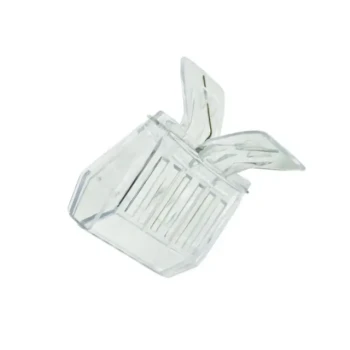
Using a transparent plastic cover provides a critical advantage in stingless bee management: the ability to monitor the colony's health without physical intrusion. By installing this cover at the top of the hive or over observation windows, you can visually inspect the hive's internal state while maintaining the sealed environment the bees rely on. This simple addition fundamentally changes how you track construction progress and identify biological threats.
The transparent cover acts as a non-intrusive window into colony health, allowing for critical inspections of construction and biological threats without disrupting the bees' internal stability.
Maximizing Colony Stability
Reducing Inspection Stress
Traditional inspection methods require fully opening the hive, which drastically alters the internal temperature and humidity.
A transparent cover eliminates this need for frequent physical intrusion. You can verify the colony is active and healthy without breaking the propolis seals or exposing the brood to the elements.
Preserving Nest Integrity
Stingless bees create complex structures that can be fragile.
By using a visual-first approach, you minimize the risk of accidentally crushing bees or damaging the delicate internal architecture during routine checks.
Tracking Architectural Progress
Monitoring Cerumen and Batumen
The primary reference highlights the importance of tracking specific construction materials.
Through the clear cover, you can observe the deposition of batumen (used for sealing and delimiting the nest) and cerumen (a mixture of wax and propolis used for structural support).
Gauging Colony Expansion
Visual access allows you to see how quickly the bees are building out these layers.
This provides an immediate indicator of colony strength and resource availability without the need to lift frames or disturb the nest structure.
Enhancing Biological Security
Early Threat Detection
A major benefit of transparency is the ability to spot invaders before they become infestations.
The cover facilitates the early detection of specific threats mentioned in the primary data, such as gecko eggs or termite larvae, which can be devastating to a colony if left unnoticed.
Rapid Intervention
Because you can inspect more frequently with less effort, your reaction time to these threats improves.
Identifying a termite track or a gecko presence through the plastic allows you to intervene immediately, maintaining the high biological security necessary for a thriving apiary.
Understanding the Trade-offs
Managing Light Exposure
While transparency is excellent for the beekeeper, stingless bees naturally prefer dark environments.
It is critical to remember that the clear cover is for your benefit, not theirs. It should generally be covered by a solid, opaque outer lid when active monitoring is not taking place to prevent light stress.
Visual Obstruction Over Time
Bees will eventually try to cover the transparent surface.
Over time, the colony may deposit propolis or wax on the plastic, gradually reducing visibility. This requires occasional maintenance or cleaning to ensure the cover remains functional for monitoring.
Making the Right Choice for Your Goal
To get the most out of your hive design, align your usage of the cover with your specific management objectives.
- If your primary focus is minimizing colony stress: Rely on the transparent cover for 90% of your checks, only opening the hive physically for harvest or splitting.
- If your primary focus is biological security: Utilize the visibility to perform quick, non-invasive scans for pests like termites or geckos every time you visit the apiary.
By utilizing a transparent interface, you effectively balance the beekeeper's need for data with the colony's need for a secure, undisturbed environment.
Summary Table:
| Benefit Category | Key Advantage | Impact on Colony |
|---|---|---|
| Colony Stability | Reduced Inspection Stress | Maintains internal temperature and humidity levels |
| Architecture | Material Tracking | Monitors deposition of batumen and cerumen without disruption |
| Bio-Security | Early Threat Detection | Identifies gecko eggs and termite larvae for rapid intervention |
| Nest Integrity | Physical Protection | Prevents accidental crushing of bees or damage to fragile structures |
Elevate Your Apiary Management with HONESTBEE
Are you looking to scale your commercial beekeeping operations or expand your distribution of professional-grade tools? At HONESTBEE, we specialize in supporting commercial apiaries and distributors with high-quality, comprehensive solutions. From specialized hive-making and honey-filling machinery to a full spectrum of beekeeping hardware and essential industry consumables, we provide everything you need to ensure colony success and operational efficiency.
Our value to you:
- Wholesale Excellence: Competitive pricing on a vast portfolio of beekeeping tools.
- Advanced Machinery: Reliable equipment for honey processing and hive construction.
- Industry Expertise: Tailored support for the unique needs of stingless bee management and commercial honey production.
Ready to enhance your productivity and secure your colonies? Contact us today to discuss how our wholesale offerings can grow your business!
References
- Norita Widya Pangestika, Sih Kahono. Additional nest structures and natural enemies of stingless bees (Hymenoptera: Apidae: Meliponinae). DOI: 10.29244/jsdh.4.2.42-47
This article is also based on technical information from HonestBee Knowledge Base .
Related Products
- Inner Beehive Cover for Beekeeping Bee Hive Inner Cover
- Acrylic Lid Beekeeping Honey Extractor for Beekeepers
- Beehive Entrance Discs Plastic Bee Entrance Disc for Bee Hives
- Professional Insulated Plastic Bee Hives
- Yellow Plastic Bucket Pail Perch for Beekeeping
People Also Ask
- What is the purpose of the inner cover in a beehive? A Key to Hive Health & Easy Management
- What is the function and placement of an inner cover in a beehive? Essential Hive Management Guide
- What is the purpose of the inner and outer covers in a beehive? Essential for Hive Health & Management
- What is a beehive's inner cover and how is it used? Essential Guide for Hive Insulation and Ventilation
- What are the functions of the inner and outer covers on a beehive? Essential Guide for Hive Protection and Management