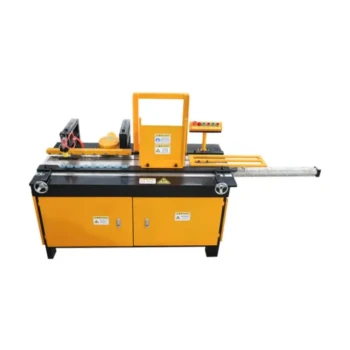
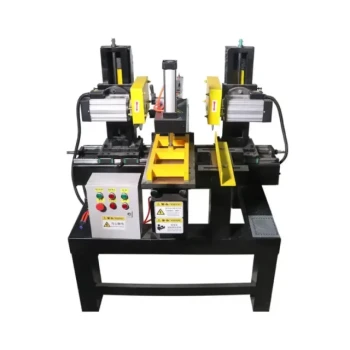
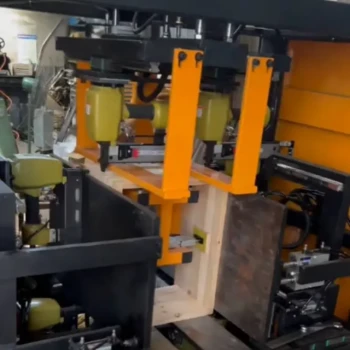
Industrial-grade hive-making machines serve as the foundational infrastructure for regional beekeeping modernization. By enabling the standardized, batch production of components, these machines ensure complete interchangeability between boxes, frames, and covers. This precision directly resolves the maintenance bottlenecks and inefficiencies caused by the inconsistent specifications inherent in traditional, hand-made hives.
The transition to industrial manufacturing transforms beekeeping from a variable craft into a scalable industry. By establishing a precise material foundation, these machines lower the barriers to rapid expansion and enable the scientific management workflows required for high-yield commercial apiaries.
The Strategic Value of Standardization
Achieving Component Interchangeability
The primary benefit of industrial machines is the elimination of variance. In traditional setups, hand-made hives often suffer from unique dimensions, meaning a frame from Hive A cannot fit into Hive B.
Industrial machinery guarantees high-precision specifications for every component produced. This ensures that frames, supers, and covers can be swapped seamlessly across different colonies and production sites without modification.
Eliminating Management Friction
Inconsistent equipment creates massive inefficiencies during daily operations. Beekeepers waste time customizing parts or struggling with ill-fitting covers.
Standardized production removes this friction. It allows for streamlined maintenance workflows, significantly improving overall management efficiency and allowing fewer staff to manage a larger number of colonies.
Scaling Operations and Economy
Facilitating Rapid Expansion
Modernization requires the ability to scale quickly in response to market demand. Relying on manual construction limits how fast an apiary can grow.
Industrial machines provide the necessary raw production capacity. They allow for the mass production of hive components, providing the consistent hardware supply prerequisite for expanding colony sizes rapidly.
Reducing Infrastructure Costs
While the machines represent an initial investment, they lower the unit cost of hive production over time.
By utilizing high-efficiency cutting technologies and reducing the manufacturing cycle, labor costs per unit drop significantly. This reduces the fixed asset investment required for large-scale apiary expansion.
Enhancing Colony Biology and Yield
Improving Thermal Regulation and Pest Control
Machine-made hives offer superior structural integrity compared to hand-made alternatives. The precise joinery and consistent wall thickness improve the hive's thermal regulation capabilities in diverse climates.
Furthermore, tighter construction tolerances offer better pest resistance. A well-sealed, thermally efficient hive allows the colony to focus energy on honey production rather than climate control or defense.
Enabling Scientific Beekeeping
Modern beekeeping relies on "scientific splitting"—the division of colonies to manage population and prevent swarming.
This process is nearly impossible without standardized equipment. Precise dimensions provide the material foundation for these advanced techniques, directly contributing to higher honey yields and better economic returns per colony.
Understanding the Trade-offs
While industrialization offers immense benefits, it introduces new challenges that must be managed.
High Initial Capital Expenditure
Transitioning to industrial-grade machinery requires a significant upfront financial commitment. For smaller regional operations, the Return on Investment (ROI) may take time to realize compared to buying low-cost, hand-made equipment initially.
Maintenance and Technical Skill
Operating industrial machinery shifts the skill requirement from carpentry to machine maintenance.
Regional centers must have access to technicians capable of servicing these machines to prevent downtime. If the machine fails, production stops entirely, whereas manual production is less prone to "single point of failure" risks.
Making the Right Choice for Your Goal
To determine if industrial hive-making machinery is the right step for your regional development, consider your specific objectives.
- If your primary focus is Rapid Commercial Scaling: Invest in industrial machinery to secure the high-volume, standardized infrastructure necessary to manage millions of colonies efficiently.
- If your primary focus is Improving Colony Health and Yield: Prioritize the machine's precision capabilities to ensure superior thermal regulation and pest resistance, which directly correlates to higher honey production.
Industrialization is not merely about making boxes faster; it is about creating a predictable, interchangeable ecosystem that allows the honey industry to operate with the efficiency of a modern factory.
Summary Table:
| Key Benefit | Impact on Beekeeping Modernization | Strategic Outcome |
|---|---|---|
| Standardization | Guarantees interchangeability of frames, supers, and covers. | Eliminates management friction & maintenance bottlenecks. |
| Scalability | Mass production of high-precision hive components. | Enables rapid expansion of colony sizes and market reach. |
| Cost Efficiency | Reduces unit costs through automated cutting and assembly. | Lowers long-term fixed asset investment for large apiaries. |
| Colony Health | Precision joinery improves thermal regulation and pest control. | Higher honey yields by reducing colony environmental stress. |
| Advanced Workflows | Provides the material foundation for scientific splitting. | Facilitates data-driven management and industrial efficiency. |
Modernize Your Beekeeping Operations with HONESTBEE
At HONESTBEE, we specialize in empowering commercial apiaries and distributors with the industrial tools needed to transition from traditional craft to scalable enterprise. Our comprehensive wholesale portfolio includes everything from high-precision hive-making and honey-filling machines to a full spectrum of essential beekeeping hardware and consumables.
Partner with HONESTBEE to:
- Achieve Industrial Precision: Implement standardized hive production to streamline your management workflows.
- Scale Rapidly: Secure the high-volume equipment necessary for large-scale regional expansion.
- Enhance Value: Access professional-grade machinery and honey-themed cultural merchandise to diversify your brand.
Ready to elevate your production capacity? Contact us today to discuss your wholesale equipment needs and let our experts help you build a more efficient, high-yield beekeeping future.
References
- Gashaw Enbiyale. Assessment of Honey Production System, Constraints and Opportunities in Ethiopia. DOI: 10.15406/ppij.2018.06.00153
This article is also based on technical information from HonestBee Knowledge Base .
Related Products
- High-Efficiency Pneumatic Bee Hive Making Machine for Rapid Box Assembly
- Beehive Handle and Frame Rest Cutting Machine: Your Specialized Hive Machine
- Beehive Machine Double End Saw for Precision Hive Component Manufacturing
- Mini Desktop Bee Hive Frame Forming Making Machine
- Automatic High-Speed Bee Hive Box Stapling Machine
People Also Ask
- How does the introduction of professional beehive-making machinery benefit sustainable beekeeping? Scale Your Apiary
- Why is specialized beehive-making machinery critical for low-defense breeding? Enhance Selection with Precision Tools
- How does the introduction of specialized beehive making machinery contribute to increasing the scale of regional beekeeping industries?
- What is the importance of specialized beehive making machinery in a circular bio-economy? Build Local Sustainability
- Why is specialized beehive-making machinery essential? Scale Your Apiary with Precision Industrial Standards