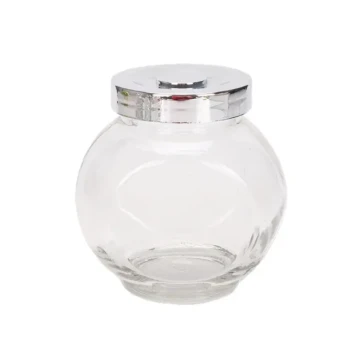
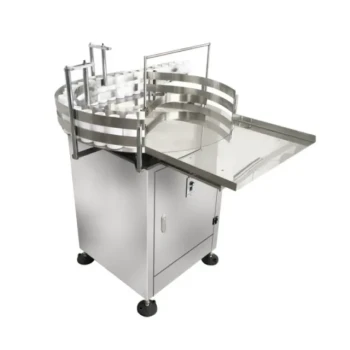
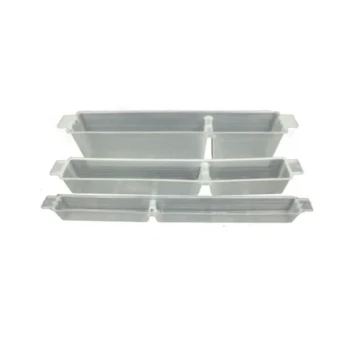
Specialized containers for protein baits are essential tools that shield bait from environmental degradation while enabling precise consumption tracking and full material recovery. These containers prevent rain and sunlight from spoiling the bait, ensuring it remains palatable for target pests like Vespa velutina (the yellow-legged hornet). By utilizing a containerized system, beekeepers can accurately measure efficacy and eliminate environmental risks by removing all materials once the trial is complete.
Specialized containers transform baiting from a basic application into a precise, professional-grade pest management system. This approach maximizes the lifespan of expensive baits and ensures the highest standards of environmental compliance in apiary management.
Maximizing Product Lifespan and Palatability
Protection from Environmental Stressors
Primary field hazards like rain and direct sunlight rapidly degrade the quality of protein-based baits. Specialized containers act as a protective barrier, preventing water saturation and UV-induced spoilage.
Maintaining Attraction Levels
For pests like the yellow-legged hornet, palatability is the key to successful eradication. By delaying spoilage, these containers ensure the bait remains attractive for longer periods, increasing the frequency of pest interaction.
Reducing Product Waste
When bait remains fresh for longer, the need for frequent replacement decreases. This efficiency allows distributors to offer a more cost-effective solution to their end-users.
Operational Precision and Environmental Safety
Accurate Consumption Monitoring
Specialized containers allow for the quantitative measurement of bait consumption. Beekeepers can see exactly how much material is being taken, which is vital for assessing the severity of an infestation.
Complete Material Recovery
One of the most critical benefits is the ability to ensure the complete recovery of materials after the trial. This prevents toxic or non-biodegradable components from entering the ecosystem.
Minimizing Environmental Contamination
By keeping the bait contained rather than exposed, the risk of secondary poisoning or soil contamination is significantly reduced. This makes the product more appealing to environmentally conscious commercial beekeepers.
Understanding the Trade-offs and Operational Challenges
Higher Initial Capital Expenditure
Specialized containers require a higher upfront investment compared to traditional broadcast baiting methods. Distributors must be prepared to articulate the long-term ROI of reduced waste and higher success rates.
Maintenance and Cleaning Requirements
These containers are not "set and forget" tools and require regular cleaning to prevent old residue from contaminating new bait. This adds a layer of operational complexity for the end-user.
Logistics and Storage
Adding hardware to a baiting program increases the bulk of the inventory. Resellers must account for the additional warehouse space needed to stock these specialized components.
Strategic Recommendations for Distributors and Resellers
Distributors should view specialized containers as a high-value add-on that complements a full-spectrum product portfolio. Our expertise in sourcing and rapid delivery ensures you can meet these professional requirements without delay.
- If your primary focus is Professional Efficacy: Promote containers as the only way to guarantee bait palatability and maximize pest contact hours during field trials.
- If your primary focus is Regulatory Compliance: Highlight the material recovery benefits to position your products as the safest choice for sensitive ecological zones.
- If your primary focus is Market Differentiation: Bundle specialized containers with premium protein baits to offer a "one-stop" professional solution that competitors lack.
Investing in specialized container systems allows you to provide a high-tier, professional service that prioritizes both results and environmental responsibility.
Summary Table:
| Benefit | Impact on Field Trials | Value for Distributors |
|---|---|---|
| Environmental Shielding | Prevents bait spoilage from rain/UV | Higher product shelf-life and satisfaction |
| Precise Monitoring | Enables quantitative consumption data | Demonstrates efficacy for high-end clients |
| Full Material Recovery | Eliminates secondary poisoning risks | Ensures compliance with eco-regulations |
| Reduced Waste | Minimizes frequent bait replacement | Improves ROI for commercial apiary operations |
Scale Your Portfolio with HONESTBEE’s One-Stop Wholesale Solutions
Are you looking to supply your clients with professional-grade apiary tools that deliver results? HONESTBEE caters specifically to commercial apiaries, distributors, and B2B resellers with a comprehensive, full-spectrum product portfolio. From specialized bait containers and honey-themed merchandise to advanced honey-filling machines, we provide the hardware and consumables you need to stay competitive.
Why Partner with HONESTBEE?
- Maximize Profit Margins: Benefit from our competitive wholesale pricing and dedicated OEM/ODM support.
- Reliable Supply Chain: Experience ultra-fast delivery and efficient order fulfillment to keep your inventory stocked.
- Professional Expertise: Leverage our deep industry knowledge to offer high-efficacy solutions like containerized baiting systems.
- Rapid Response: Our team is committed to exceptional customer service and quick turnaround times.
Contact us today to explore our wholesale catalog and enhance your supply chain!
References
- Jesús F. Barandika, Ana L. García‐Pérez. Efficacy of Protein Baits with Fipronil to Control Vespa velutina nigrithorax (Lepeletier, 1836) in Apiaries. DOI: 10.3390/ani13132075
This article is also based on technical information from HonestBee Knowledge Base .
Related Products
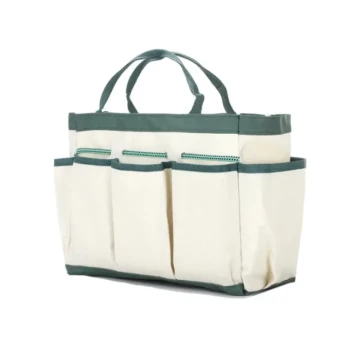
- Professional 600D Oxford Cloth Beekeeping Tool Bag with 8 Pockets and Elastic Loops
- Plastic Transporting Bee Packages and Nuc Boxes for Beekeeping
- Classic Round Glass Honey Jar with Lid
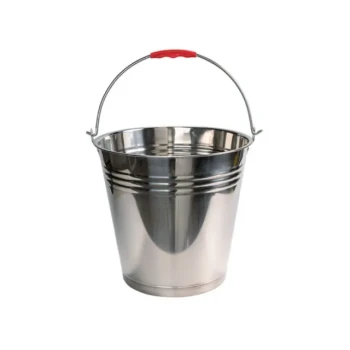
- 5 Gallon Pail Opener Bucket Opener Tool for Honey Bucket
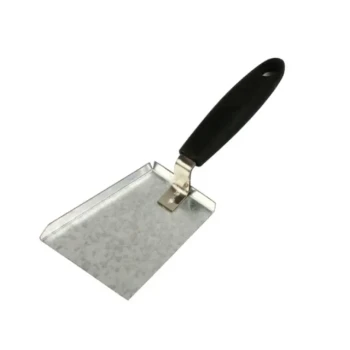
- Heavy-Duty Ergonomic Grip Galvanized Pollen Shovel
People Also Ask
- What is the recommended method for storing beekeeping tools? Expert Vertical Storage Solutions for Your Apiary
- Why is the treatment of beekeeping tools with high-concentration chemical disinfectants necessary for preventing AFB?
- How does a favorable microclimate interact with beekeeping tools? Boost Overwintering Success and Equipment Longevity
- Proper Beekeeping Tools and Regular Hive Maintenance: How to Mitigate Pest Infestations and Colony Instability?
- What essential beekeeping tools are needed besides the hive? Must-Have Gear for Every Apiary