Proper tools and disciplined hive maintenance turn reactive beekeeping into preventive management. Hive tools, smokers, protective equipment, and sound hive hardware enable safer, more frequent inspections, while routine repairs help detect queen problems, pest activity, moisture, and structural weaknesses before they cause colony loss or major production disruption.
Regular inspection is only effective when beekeepers can work safely, access frames precisely, and maintain the hive’s physical integrity. The right equipment supports early detection, controlled intervention, and greater colony stability.
How the Right Tools Prevent Operational Problems
Making inspections safer and more consistent
Protective clothing, veils, gloves, and properly operated smokers reduce sting risks and help keep colonies calmer during inspections. When beekeepers can work confidently, they are more likely to inspect thoroughly and on schedule.
This consistency matters because pest infestations and queen-related problems often become costly when they remain unnoticed. Safety equipment is therefore not separate from hive management; it enables it.
Accessing frames without unnecessary damage
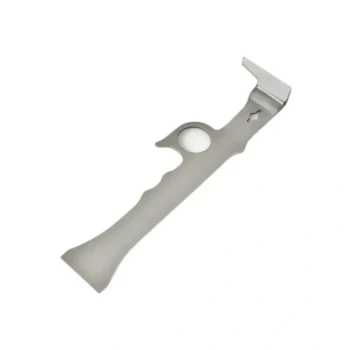
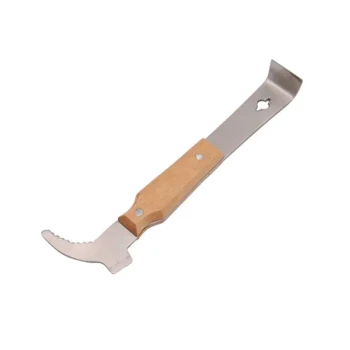
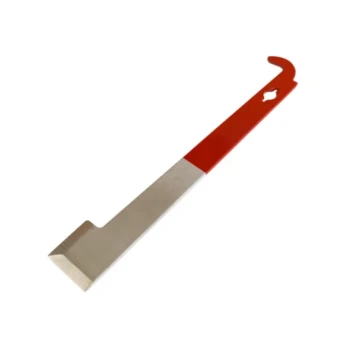
Bees use propolis and wax to seal covers, boxes, and frames. A properly designed hive tool uses leverage to open these components and remove excess material without resorting to forceful handling.
Maintaining free frame movement makes it easier to examine brood patterns, eggs, larvae, food stores, and visible pest activity. It also reduces the risk of damaging hive boxes, frames, or comb during routine work.
Supporting low-stress colony management
Smokers help manage bee behavior during inspections when used correctly and in moderation. Controlled handling reduces unnecessary disruption, allowing the beekeeper to complete essential observations efficiently.
Less stressful inspections can also make regular maintenance more practical, particularly across larger apiaries where time, safety, and consistency directly affect operating performance.
How Regular Inspections Reduce Pest and Colony Risks
Detecting pests before they spread
Frequent inspections can reveal early signs of pests such as wax moths and ants. Beekeepers can then address the affected hive, correct access points, or adjust management practices before the problem causes significant honey loss or colony decline.
Early detection is especially important because an infestation may damage comb, weaken the colony, and create additional management demands if left untreated.
Identifying queen-related instability
A missing or failing queen can destabilize a colony. Inspecting egg-laying patterns, brood development, and the general condition of the colony helps beekeepers identify potential queen problems earlier.
The inspection itself does not solve every queen issue, but it provides the information needed to make a timely management decision rather than discovering the problem after the colony has sharply weakened.
Monitoring colony condition over time
A single inspection provides limited value without a reference point. Regular checks create a practical record of changes in brood patterns, stores, population strength, pests, and equipment condition.
This makes it easier to distinguish normal variation from developing instability and to prioritize intervention where it is most necessary.
How Hive Maintenance Strengthens Protection
Repairing damaged wooden components
Wooden hive parts should be checked for rot, cracks, warping, and other damage. Weak or deteriorated components can compromise the hive’s protection and make routine inspections more difficult.
Replacing damaged parts preserves the hive’s structural integrity and helps maintain a stable environment for the colony.
Replacing worn or broken frames
Frames that are broken, excessively worn, or difficult to move can interfere with inspection and comb management. Timely replacement supports orderly frame handling and reduces the chance of accidental damage during hive work.
Well-maintained frames also make it easier to assess brood and stores accurately.
Closing pest entry points
Hive boxes should fit snugly and remain properly aligned. Gaps and poorly fitted components can create opportunities for ants and other pests to enter.
Maintaining sound joins and replacing damaged hardware is a basic but important layer of pest prevention. It complements inspection-based detection rather than replacing it.
Maintaining smokers and extractors
Operational equipment should be checked before it is needed. Smokers must function reliably during inspections, while honey extractors should be kept in proper working condition for efficient and hygienic processing.
Equipment checks reduce avoidable interruptions during peak production periods and help maintain a more predictable workflow.
Building an Efficient Beekeeping Equipment Program
Match tools to the maintenance task
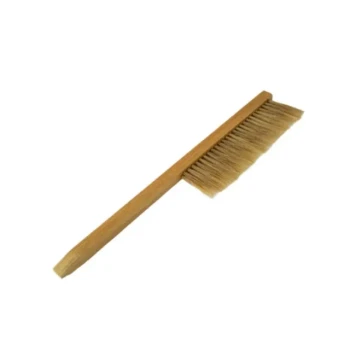
A hive tool is suited to opening and scraping. A smoker supports colony management, while protective clothing addresses operator safety.
Using the correct tool for each task improves precision and reduces damage caused by improvised equipment or excessive force.
Standardize equipment across the apiary
For distributors, wholesalers, and professional beekeepers, standardized equipment can simplify training, replenishment, and field operations. A consistent product range also makes it easier to establish repeatable inspection procedures across multiple sites.
A full-spectrum portfolio covering inspection tools, protective gear, hive hardware, and maintenance accessories can reduce the complexity of sourcing from multiple suppliers.
Prioritize reliable supply and service
Operational readiness depends on more than product specifications. Fast response times, dependable order fulfillment, technical product knowledge, and responsive customer service help prevent equipment shortages from delaying inspections or repairs.
For B2B buyers, supplier reliability is particularly important because a missing low-cost component can interrupt work across an entire apiary.
Understanding the Trade-offs
More frequent inspections require discipline
Regular inspections improve visibility, but excessive or poorly executed hive opening can disturb colonies and consume unnecessary labor. The objective is purposeful, well-prepared inspection, not disruption for its own sake.
Beekeepers should use appropriate tools, work efficiently, and focus on indicators relevant to colony health and seasonal conditions.
Protective equipment can affect dexterity
Protective clothing reduces sting exposure, but bulky or poorly fitted equipment may make delicate frame handling more difficult. Fit, ventilation, visibility, and material quality should therefore be considered alongside basic protection.
The best equipment supports both safety and precise manipulation.
Tools do not replace management judgment
A hive tool can improve access, and a smoker can support calmer handling, but neither can compensate for incomplete knowledge or delayed decisions. Equipment increases the quality of available information; the beekeeper must still interpret that information correctly.
Maintenance has an upfront cost
Replacing frames, repairing boxes, and maintaining tools require time and budget. However, postponing basic maintenance can increase the likelihood of pest entry, equipment failure, unsafe inspections, and costly colony intervention.
A planned replacement and replenishment program is generally more manageable than emergency sourcing after damage has occurred.
How to Apply This to Your Apiary or Supply Program
The most effective approach combines suitable tools, regular inspection routines, and dependable access to replacement equipment.
- If your primary focus is pest prevention: Prioritize hive tools, secure hive hardware, and scheduled inspections that identify wax moths, ants, gaps, and damaged components early.
- If your primary focus is colony stability: Use protective equipment and smokers to support calm, thorough checks of brood patterns, egg-laying activity, food stores, and overall colony strength.
- If your primary focus is operational efficiency: Standardize inspection and maintenance equipment, keep smokers and extractors serviceable, and maintain readily available replacement frames and hive parts.
- If your primary focus is B2B sourcing: Choose a supplier with a broad product portfolio, professional expertise, rapid response, and efficient fulfillment across inspection, protection, hive hardware, and processing categories.
With the right equipment and a consistent maintenance program, beekeepers can identify risks earlier, protect colony stability, and operate with greater safety and predictability.
Summary Table:
| Aspect | Role in Mitigation | Key Tools/Maintenance |
|---|---|---|
| Safe Inspections | Reduces risk, encourages consistency | Protective gear, smoker, hive tool |
| Frame Access | Precision handling, early detection | Hive tool, well-maintained frames |
| Pest Detection | Early intervention, prevents spread | Regular inspections, secure hive components |
| Queen Stability | Identify issues promptly | Brood pattern checks, inspection records |
| Hive Integrity | Prevents entry points, stable environment | Repair wooden parts, replace worn frames |
| Equipment Readiness | Avoid interruptions, maintain workflow | Smoker and extractor maintenance |
| Standardization | Simplifies operations, training | Uniform equipment across apiary |
Looking to optimize your apiary or supply chain? At HONESTBEE, we provide a one-stop solution for professional beekeepers, distributors, and B2B buyers. Our comprehensive range of tools, safety gear, hive maintenance supplies, and machinery is designed to enhance operational efficiency and colony health. Experience rapid response, certified products, and reliable wholesale support—tailored to your business needs. Contact us today to secure your supply and boost your productivity!
Related Products
- HONESTBEE 15-in-1 Beekeeper Multi-Tool with Hammer and Pliers for Beekeeping
- Stainless Steel J Hook Hive Tool for Beekeeping
- HONESTBEE Advanced Ergonomic Stainless Steel Hive Tool for Beekeeping
- Stainless Steel Queen Grafting Tool for Beekeeping and Bee Queen Grafting
- Ergonomic Plastic Frame Spacer Tool for Rapid Hive Management Beekeeping
People Also Ask
- What is the recommended method for storing beekeeping tools? Expert Vertical Storage Solutions for Your Apiary
- Why is the treatment of beekeeping tools with high-concentration chemical disinfectants necessary for preventing AFB?
- How does a favorable microclimate interact with beekeeping tools? Boost Overwintering Success and Equipment Longevity
- How does the stable local supply of beekeeping tools affect technology adoption? Building Sustainable Apiaries
- What role do specialized beekeeping tools play in pest management? Enhance Apiary Health with Precision Tech