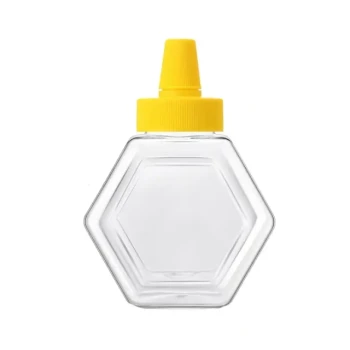
Sterilized polyethylene bottles provide a chemically inert and biologically secure environment essential for maintaining the integrity of honey samples. These containers prevent chemical migration and block environmental moisture, effectively inhibiting spoilage and preserving the sample's original composition for storage periods ranging from 18 to 22 months.
Core Insight The fundamental value of sterilized polyethylene lies in its ability to eliminate variables that compromise data accuracy. By creating a barrier against moisture ingress and eliminating resident microorganisms, these bottles ensure that subsequent laboratory analysis—whether physical, chemical, or sensory—reflects the true state of the honey at the time of collection.
Preserving Chemical Stability
Exceptional Chemical Inertness
Polyethylene is chosen for its non-reactive properties. Honey contains various phenolic compounds and weak acids that can interact with inferior packaging materials. High-quality polyethylene remains chemically stable, preventing the container material from reacting with these specific components.
Preventing Chemical Migration
Long-term storage introduces the risk of materials leaching into the sample. Sterilized polyethylene bottles offer superior stability that prevents chemical migration between the container and the honey. This ensures that the chemical index of the sample remains pure and unaltered prior to testing.
Controlling Biological Factors
Inhibition of Fermentation
The primary biological threat to stored honey is osmophilic yeast, which thrives in sugar-rich environments and causes fermentation. Using sterilization-grade containers eliminates these exogenous microorganisms at the outset. This is critical for preventing spoilage during extended storage durations of 18 to 22 months.
The Moisture-Proof Barrier
Honey is hygroscopic, meaning it naturally absorbs moisture from the air. Polyethylene bottles provide a tight, moisture-proof seal that blocks external humidity. By maintaining the honey's original moisture content, the container prevents the dilution that often accelerates microbial activity and spoilage.
Ensuring Analytical Accuracy
protecting Sensory and Antibacterial Data
To obtain valid results for antibacterial activity analysis and sensory profiling, the sample must be free from cross-contamination. Sterilized polyethylene prevents the introduction of external bacteria or chemical impurities that would skew these sensitive measurements.
Stabilizing Physicochemical Properties
Accurate detection of physical and chemical indices requires a stable sample. By preventing moisture loss (which alters texture and concentration) and moisture absorption (which alters acidity and stability), polyethylene bottles maintain the sample's fidelity for laboratory analysis.
Critical Considerations and Trade-offs
The Necessity of "Sterile" Grade
It is a common pitfall to assume all polyethylene bottles are suitable for long-term storage. Standard, non-sterile plastic does not guarantee the elimination of osmophilic yeasts. Using non-sterile containers significantly increases the risk of fermentation, rendering data collected after long-term storage invalid.
Material Grade Matters
While polyethylene is effective, the specific grade impacts performance. High-density polyethylene (HDPE) is often implied in contexts requiring robust chemical resistance and sealing properties. Using lower-density or non-industrial grade plastics may result in compromised sealing, leading to moisture fluctuation and potential contamination.
Making the Right Choice for Your Goal
When selecting storage containers for honey analysis, align your choice with your specific analytical objectives:
- If your primary focus is Long-Term Storage (18+ Months): Prioritize sterilization-grade polyethylene to strictly inhibit the growth of osmophilic yeasts and prevent fermentation over time.
- If your primary focus is Chemical Composition Analysis: Ensure the polyethylene is high-density and chemically inert to prevent reactions with the honey's natural acids and phenolic compounds.
- If your primary focus is Trace Mineral or Sensory Analysis: Verify the container has a superior moisture-proof seal to prevent environmental cross-contamination and preserve the sample's original physical state.
The correct storage vessel is not merely a container; it is the first line of defense in maintaining data integrity.
Summary Table:
| Feature | Benefit for Honey Storage | Impact on Analysis |
|---|---|---|
| Chemical Inertness | Prevents reactions with acids/phenolics | Ensures pure chemical index |
| Sterilization Grade | Eliminates osmophilic yeasts | Prevents fermentation & spoilage |
| Moisture Barrier | Blocks external humidity | Maintains original moisture content |
| Material Stability | Prevents chemical migration/leaching | Protects sensory & antibacterial data |
Secure Your Honey Quality with HONESTBEE
Maintaining the integrity of your honey samples or commercial stock requires the right equipment and expertise. HONESTBEE specializes in supporting commercial apiaries and distributors with a comprehensive range of high-quality beekeeping tools, industrial machinery, and essential consumables.
Whether you need precision honey-filling machines to ensure airtight seals or specialized hardware to scale your operations, we provide the tools that guarantee your product’s purity from hive to lab.
Ready to elevate your apiary's efficiency and product standards?
Contact HONESTBEE Today to explore our wholesale solutions and industrial beekeeping equipment.
References
- Misbhauddin Khan, M Balasubramanyam. Chemical Characteristics of Honey of Indigenous Giant Bee Apis Dorsata F. and Hive Bee Apis Cerana Indica. DOI: 10.24214/jcbps.b.13.2.20109
This article is also based on technical information from HonestBee Knowledge Base .
Related Products
People Also Ask
- What are the benefits of squeeze bottles for honey packaging? Unlock Mess-Free Convenience & Control
- How do honey bottles contribute to the preservation of honey products? Secure Quality and Commercial Value
- What are the features of honey bottles? Design for Convenience & Long-Term Preservation
- How should honey bottles be prepared before pouring honey into them? The #1 Rule for Honey Longevity
- What are the features and benefits of using honey bottles for packaging? Optimize Preservation and Consumer Experience