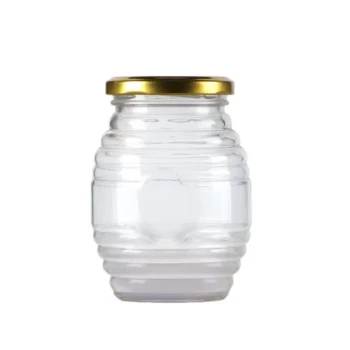
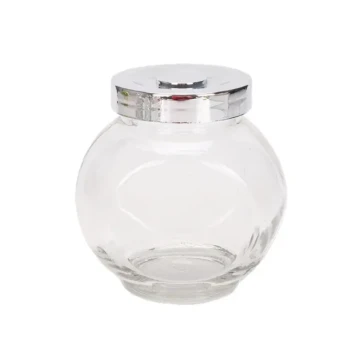
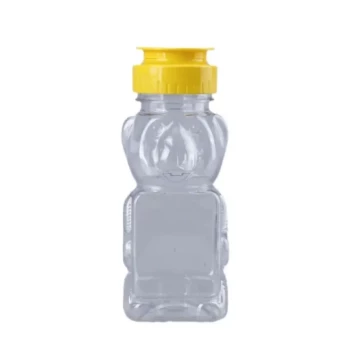
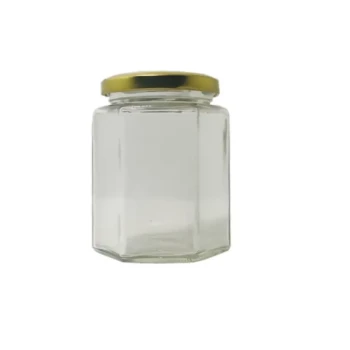
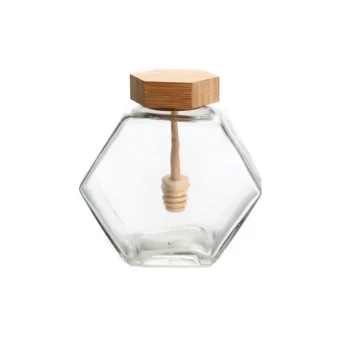
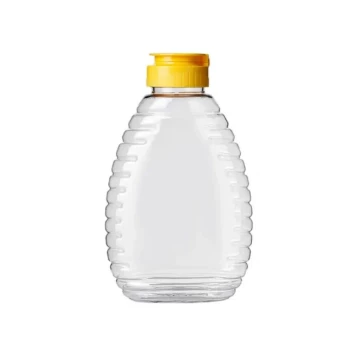
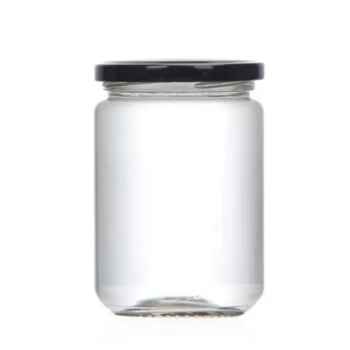
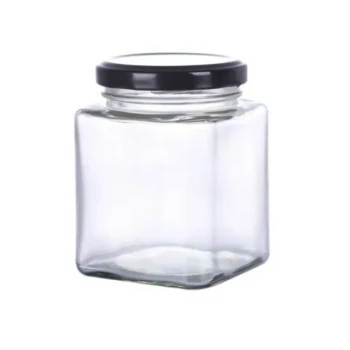
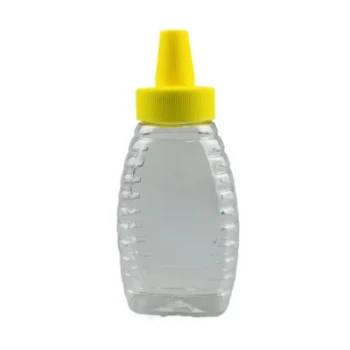
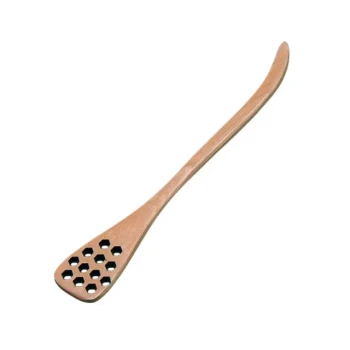
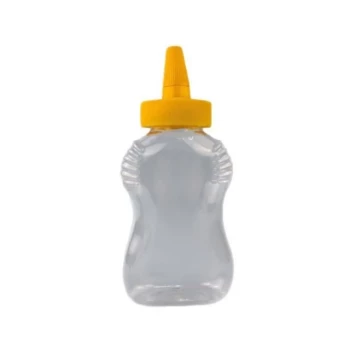
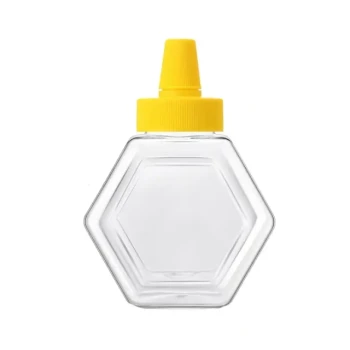
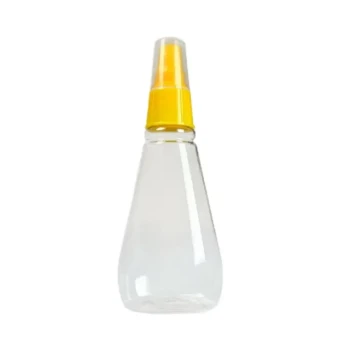
Honey jars are defined by their dual role as visual merchandising tools and preservation systems, primarily constructed from glass or food-grade plastic. These containers are characterized by their high transparency to showcase the product's color and their ability to form an airtight seal, typically via twist-off lids, which is critical for maintaining the honey's viscosity and flavor profile.
Core Takeaway The choice of honey packaging involves a strategic trade-off between the premium presentation and superior preservation of glass versus the durability, design versatility, and logistical cost-savings of plastic. While glass is the gold standard for shelf stability and aesthetics, high-quality plastic offers a lightweight, shatter-resistant alternative for high-volume transport.
Material Composition and Performance
The Standard for Preservation: Glass
Glass is traditionally the preferred material for honey due to its inert and non-porous nature. Because it is non-reactive, it creates an absolute barrier against gases and moisture, ensuring the honey does not absorb external odors or lose its authentic flavor.
This barrier protection is technically vital for chemical stability. By blocking external moisture, glass prevents the fermentation of the honey. Simultaneously, it prevents water evaporation from within, which helps delay the natural process of crystallization.
The Versatile Alternative: Plastic
Plastic jars are valued for their high durability and lightweight properties, making them distinct from the fragility of glass. To ensure safety, these must be manufactured from FDA-approved food-grade plastics.
Commonly approved materials include PET (polyethylene terephthalate) for clarity, as well as HDPE (high-density polyethylene) and PP (polypropylene). These materials are capable of effectively protecting the safety and integrity of the honey while offering significant impact resistance.
Functional Design and Aesthetics
Visual Transparency and Styles
Regardless of the material, a defining characteristic of honey jars is transparency. This allows consumers to visually assess the quality and golden hue of the honey, which is a key purchasing driver.
Glass jars often feature traditional designs that convey a premium or artisanal feel, such as Muth Jars (square with a cork), Queenline Jars (flat and wide), and wide-mouth varieties. Plastic allows for more complex custom molding, enabling branding-specific shapes like hives, straight-sided jars, or even bear-shaped containers.
Sealing Mechanisms
The lid system is as important as the vessel itself. Honey jars almost exclusively utilize twist-off lids or screw-on metal caps to create an airtight seal. This seal is the primary defense against ambient humidity, which can degrade the honey's quality over time.
Understanding the Trade-offs
The Logistics of Weight
The most significant operational difference between the two materials is weight. Glass is heavy; an empty 1 lb capacity glass jar can weigh between 14 to 16 ounces. This drastically increases shipping costs compared to plastic, which adds negligible weight to the final package.
Fragility and Storage Limits
Glass introduces a high risk of breakage, necessitating investment in protective packaging like bubble wrap and reinforced boxes. Furthermore, glass has structural limitations in warehousing; it cannot be stacked as high as plastic containers without risking failure, requiring more floor space for storage.
Making the Right Choice for Your Goal
- If your primary focus is premium retail presentation: Choose glass, specifically styles like Queenline or Muth, to leverage the "elevated feel" and superior flavor preservation that commands a higher price point.
- If your primary focus is shipping efficiency and safety: Choose PET plastic, as it significantly lowers freight costs and eliminates the breakage risks associated with e-commerce or long-distance distribution.
- If your primary focus is sustainability: Choose glass, as it is infinitely reusable and recyclable, appealing to eco-conscious consumers who prefer zero-waste packaging lifecycles.
Ultimately, the ideal honey jar must balance the logistical realities of your supply chain with the consumer's desire to see and trust the purity of the product.
Summary Table:
| Feature | Glass Jars | Plastic (PET/HDPE) Jars |
|---|---|---|
| Best Use Case | Premium Retail & Long-term Storage | E-commerce & High-volume Transport |
| Preservation | Superior (Non-porous/Inert) | High (Food-grade approved) |
| Durability | Fragile (High breakage risk) | Impact-resistant (Shatter-proof) |
| Weight | Heavy (Increases shipping costs) | Lightweight (Optimizes logistics) |
| Aesthetics | High-end, Artisanal, Traditional | Versatile shapes (e.g., Honey Bears) |
| Eco-Friendliness | Infinitely Recyclable | Recyclable (Material dependent) |
Elevate Your Honey Brand with HONESTBEE Packaging Solutions
Choosing the right honey jar is critical for balancing product integrity with logistical efficiency. At HONESTBEE, we specialize in supporting commercial apiaries and distributors with a comprehensive range of high-quality wholesale solutions.
Whether you need premium glass jars for artisanal appeal or durable food-grade plastic for long-distance distribution, we supply the full spectrum of beekeeping tools and packaging essentials. Beyond jars, our portfolio includes:
- Honey-Filling & Hive-Making Machinery for industrial-scale operations.
- Comprehensive Equipment & Consumables for professional beekeeping.
- Honey-Themed Cultural Merchandise to diversify your retail offerings.
Ready to optimize your packaging and scale your production? Contact us today to discover how HONESTBEE’s expertise and wholesale inventory can drive your business growth.
Related Products
- Classic Glass Honey Jar with Metal Lug Cap for Beehive Storage
- Classic Drum Shaped Glass Honey Jar with Airtight Lid
- Classic Honey Bear Jars with Flip Top Dispensing Cap for Liquid Sweeteners
- Hexagonal Glass Honey Jars with Metal Lug Caps Elegant Versatile Packaging
- Hexagonal Glass Honey Jar with Wooden Lid Integrated Dipper Elegant Functional Storage
People Also Ask
- What are the benefits of glass jars regarding strength and safety for storing honey? Ensure Purity and Long-Term Quality
- What are the advantages of using glass jars for honey storage? Ensure Purity and Premium Appeal for Your Product
- What are the benefits of using high-transparency Glass Jars for honey? Elevate Purity and Premium Branding
- What is the aesthetic appeal of using glass jars for honey? Elevate Your Brand with Premium Packaging
- Which container is best for storing honey? Preserve Purity & Flavor with the Right Choice