3-layer ventilated mesh is a specialized composite fabric designed to decouple fabric thickness from fabric density. Structurally, it consists of three distinct layers of mesh combined to create a material depth of approximately 5mm. Because this thickness is nearly twice the length of a honeybee’s stinger, the material acts as a physical spacer, rendering the suit practically sting-proof.
The Core Insight The primary function of 3-layer ventilated mesh is to provide "protection through depth" rather than "protection through density." It creates a safety gap that exceeds a stinger's reach, allowing the beekeeper to remain protected while maintaining maximum airflow in high-heat environments.
The Mechanics of Protection
The "Stinger Gap" Principle
The defining characteristic of this material is its thickness. The three layers combined measure approximately 5mm.
A honeybee stinger cannot physically bridge this gap. Because the mesh holds the outer surface of the suit 5mm away from your skin, the stinger runs out of length before it can penetrate the dermis.
Top-Tier Classification
Due to this mechanical advantage, 3-layer mesh is widely considered a top-tier material for modern beekeeping PPE.
It provides a higher safety margin than standard single-layer cotton or synthetic fabrics, which rely on weave tightness rather than thickness to prevent stings.
Thermal Regulation and Comfort
Unobstructed Airflow
Unlike canvas or heavy cotton, which block wind, ventilated mesh allows air to circulate freely through the fabric.
This constant air exchange aids in convective cooling, significantly reducing the risk of heat exhaustion during mid-summer inspections.
Reduced Under-Layering
Because the 5mm thickness provides total sting isolation, you are not reliant on thick clothing underneath the suit for safety.
This allows beekeepers to wear the suit with minimal clothing—such as shorts and no shirt—further enhancing cooling in extreme weather.
Understanding the Trade-offs
While 3-layer mesh offers superior protection and cooling, there are objective limitations and variations in material quality to consider.
Texture and Skin Sensitivity
While the primary reference notes the ability to wear minimal clothing, the texture of the innermost mesh layer matters.
Some mesh variations, specifically "foam air mesh" or 3D mesh, can be abrasive against bare skin. Beekeepers with sensitive skin may still require a thin moisture-wicking layer to prevent chafing.
Durability Concerns with Foam Variants
Not all mesh is created equal. While 3-layer constructions are generally robust, specific subsets like foam air mesh sacrifice longevity for weight.
These foam-based variants often degrade faster than woven textiles, with a potential lifespan of only one to two years before ripping or degrading. It is critical to distinguish between high-durability woven 3-layer mesh and cheaper foam alternatives.
Making the Right Choice for Your Goal
When selecting a ventilated suit, consider your environment and usage frequency.
- If your primary focus is Maximum Safety: Prioritize the 5mm thickness specification; this depth is the non-negotiable factor that neutralizes the stinger threat.
- If your primary focus is Heat Management: Ensure the suit is fully ventilated (not just patch-ventilated) to allow you to work without heavy clothing underneath.
- If your primary focus is Longevity: Verify the material construction to avoid low-density "foam" meshes that may degrade or tear within a few seasons.
The 3-layer ventilated mesh represents the current industry standard for balancing absolute safety with essential thermal comfort.
Summary Table:
| Characteristic | Specification / Detail | Benefit |
|---|---|---|
| Material Thickness | Approximately 5mm | Exceeds honeybee stinger length for total protection. |
| Fabric Structure | 3-layer composite mesh | Decouples fabric thickness from density for high breathability. |
| Thermal Regulation | Unobstructed airflow | Facilitates convective cooling and prevents heat exhaustion. |
| Protection Logic | "Protection through depth" | Eliminates the need for heavy under-layering in summer. |
| Durability Factor | Woven vs. Foam variants | High-quality woven mesh offers a longer lifespan than foam. |
Elevate Your Beekeeping Inventory with HONESTBEE
At HONESTBEE, we empower commercial apiaries and distributors with premium-grade beekeeping solutions. Our 3-layer ventilated mesh suits are engineered for professionals who demand the perfect balance of safety and thermal comfort.
Beyond protective apparel, we supply a comprehensive range of beekeeping tools, industrial machinery, and essential consumables. Whether you need specialized hive-making equipment, honey-filling machines, or unique honey-themed merchandise, we provide the wholesale scale and quality you need to grow your business.
Ready to source high-performance equipment? Contact us today to explore our wholesale offerings!
Related Products
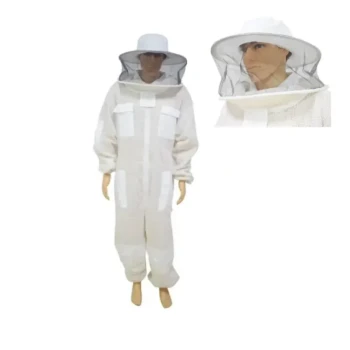
- Three-Layer Ventilated Beekeeper Suit with Structured Fencing Veil
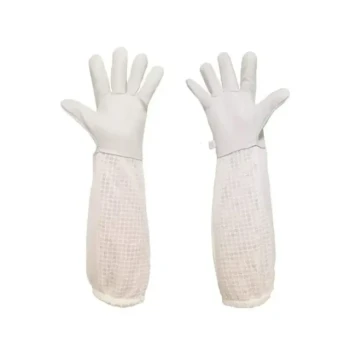
- Premium Ventilated Goatskin Beekeeping Gloves with Full 3-Layer Mesh Sleeve
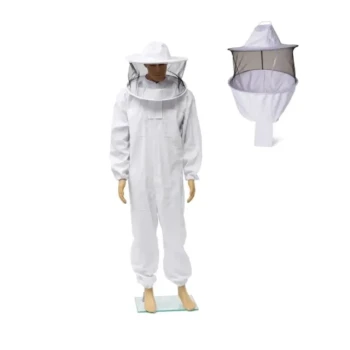
- Premium Three Layer Ventilated Bee Suit with Round Veil
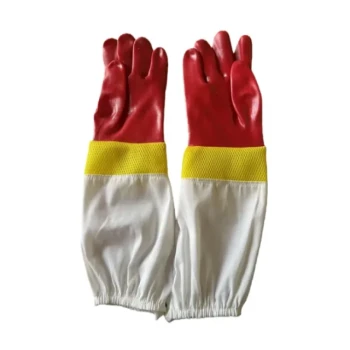
- Heavy Duty Red Rubber Beekeeping Gloves with Vented Mesh Cotton Sleeves
- Vented Beekeeping Jacket with Hood and Veil for Beekeepers
People Also Ask
- What material and design specifications are recommended for a high-quality beekeeper suit? Top Gear Selection Guide
- What are the characteristics of a specific ventilated beekeeper's suit? Advanced Cooling & Protection for Beekeepers
- What are the advantages of a ventilated bee suit? Stay Cool and Protected During Hive Inspections
- How do ventilated bee suits improve comfort? Beat the Heat with Superior Airflow Design
- What is the primary advantage of ventilated beekeeping clothing? Stay Cool and Focused in the Apiary