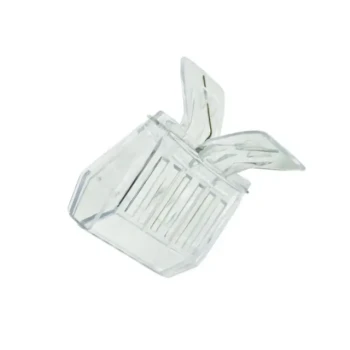
The controversy surrounding queen excluders is largely driven by persistent myths regarding their impact on colony productivity and bee welfare. The two most common misconceptions are that these devices inevitably disrupt the natural health of the bees and that they drastically reduce honey production—a belief so prevalent that detractors often refer to them as "honey excluders."
While excluders can introduce challenges like congestion or maintenance, the belief that they universally ruin honey yields or colony health is often overstated; when used correctly, they facilitate hive organization and cleaner harvests that frequently outweigh minor reductions in raw yield.
The "Honey Excluder" Myth vs. Reality
The primary argument against using an excluder is economic: the fear that it acts as a barrier to production.
The Perception of Yield Loss
Many beekeepers believe that forcing workers to squeeze through narrow gaps slows down foraging significantly. Consequently, the term "honey excluder" implies that the device causes a net loss in the honey harvest.
The Role of Hive Organization
Contrary to this belief, the potential slight reduction in yield is often offset by significant operational benefits. Keeping the queen out of honey supers ensures the final product is cleaner and free of brood, streamlining the extraction process.
The "Honey Barrier" Phenomenon
There is a grain of truth to the yield myth: bees can be reluctant to cross the excluder. This can lead workers to store honey in the brood nest (backfilling) rather than moving up, which restricts the queen’s space and may trigger swarming impulses.
Misconceptions Regarding Bee Health
Another major misconception is that excluders are inherently harmful to the physical well-being of the colony.
Physical Damage to Workers
It is often believed that passing through an excluder damages bees. While this can happen, it is largely dependent on the equipment; poorly manufactured punched plastic excluders often have sharp edges that can damage wings and shorten lifespans, whereas high-quality rounded wires mitigate this risk.
Disruption of Natural Behavior
Proponents of "natural" beekeeping argue that restricting the queen is stressful and unnatural. While true that it limits her range, scientific observation suggests that when the hive is managed properly, this restriction does not inherently degrade the overall colony health.
Understanding the Operational Trade-offs
To use a queen excluder effectively, you must look past the myths and understand the actual mechanical and biological disadvantages.
Drone Entrapment
A genuine risk is the trapping of drones above the excluder. If brood frames are moved up or drones hatch above the device, they cannot escape to cleanse or mate, leading to death and clogging the excluder gaps.
The Maintenance Burden
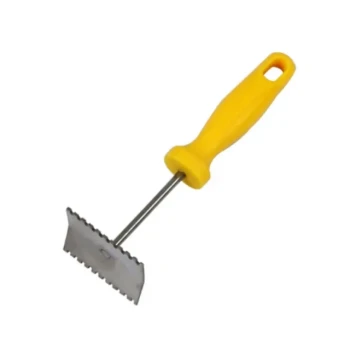
Excluders are not "set and forget" tools. Bees frequently build burr comb across the bars, which reduces airflow, potentially causing the hive to overheat in hot weather, and requires regular scraping to maintain function.
Queen Failures
The device is not foolproof. Small, virgin, or newly mated queens can sometimes squeeze through the gaps, defeating the purpose of the device entirely and leading to brood in your honey supers.
Material Limitations
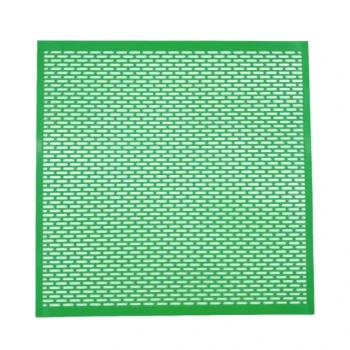
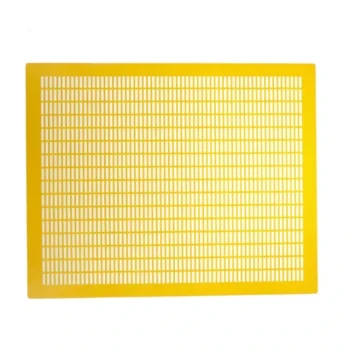
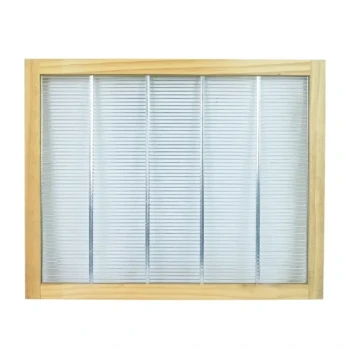
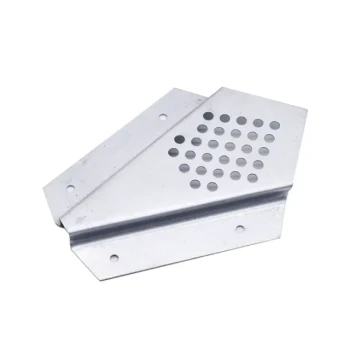
Metal excluders are durable but heavy, expensive, and can conduct heat or cold into the hive. Plastic excluders are cheaper and lighter but are prone to warping and damage from hive tools, reducing their lifespan.
Making the Right Choice for Your Goal
Whether an excluder is a "misconception" or a "mistake" depends entirely on your management style and production goals.
- If your primary focus is maximizing honey purity: Use a high-quality metal or rounded-plastic excluder to guarantee brood-free supers, accepting that you must manage the brood nest carefully to prevent backfilling.
- If your primary focus is natural beekeeping: Avoid the excluder to allow full queen mobility, but be prepared for a more difficult extraction process involving sorting through frames mixed with brood and honey.
- If your primary focus is budget: Plastic excluders are viable, but you must inspect them rigorously for sharp edges that could harm your workforce.
Ultimately, the queen excluder is a tool of convenience for the beekeeper, not a necessity for the bees; its success relies on your commitment to managing the hive space beneath it.
Summary Table:
| Misconception | Reality | Management Solution |
|---|---|---|
| Causes major honey loss | Minor yield dips are offset by cleaner harvests | Manage brood nest space to prevent backfilling |
| Physically harms bees | Damage is usually caused by sharp, low-quality edges | Invest in high-quality rounded wire excluders |
| Degrades colony health | Managed restriction does not harm overall health | Perform regular inspections and remove burr comb |
| Prevents all brood in supers | Small or virgin queens may occasionally bypass gaps | Monitor supers during peak queen activity |
Scale Your Apiary Operations with HONESTBEE
At HONESTBEE, we cater specifically to commercial apiaries and distributors by providing high-performance wholesale solutions. Don't let equipment myths hinder your production—our comprehensive portfolio includes everything from precision-engineered queen excluders and hive-making machinery to advanced honey-filling systems and essential industry consumables.
Whether you are looking to streamline your extraction process or stock your shelves with professional-grade tools and honey-themed cultural merchandise, we are here to support your growth. Contact us today to discover how our wholesale offerings can enhance your efficiency and yield!
Related Products
- High Performance Plastic Queen Excluder for Beekeeping and Apiary Management
- Professional Plastic Queen Excluder for Modern Beekeeping
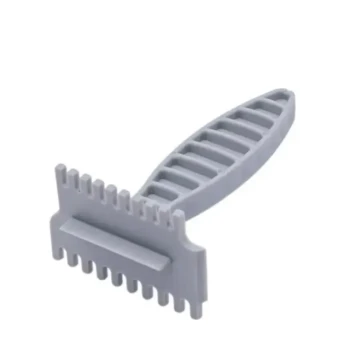
- Lightweight Durable Plastic Queen Excluder Scraper for Beekeeping
- Metal Queen Bee Excluder for Beekeeping
- Premium Wood Framed Metal Wire Queen Bee Excluder
People Also Ask
- What are the characteristics of a plastic queen excluder? Key Benefits for Cost-Effective Beekeeping
- What are the operational and cost advantages of using plastic queen excluders over metal or wire excluders in commercial hive management? Discover how they reduce labor, prevent wing damage, and lower total costs.
- What types of queen excluders are available for beekeepers? Choose the Right Tool for Your Hive
- Why are standardized hive frames and queen excluders essential for maintaining honey purity and quality? Scale Your Purity
- Do plastic queen excluders work? A Cost-Effective Solution for Modern Apiaries