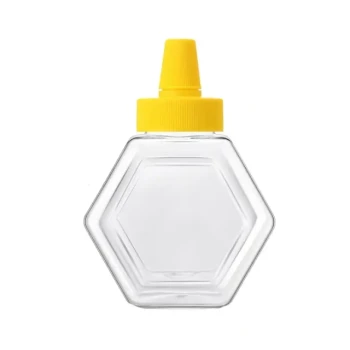
Honey packaging styles are diverse, ranging from traditional rigid containers to modern flexible options designed for mobility. The most common formats include jars (both glass and plastic) for bulk storage, pouches for home use, sachets for single servings (10–15 grams), and stick packs for immediate, on-the-go consumption.
Core Takeaway: While convenience dictates the form factor (stick vs. jar), the material integrity determines the honey's quality. Effective packaging must provide a hermetic seal to prevent moisture absorption and fermentation, regardless of whether the container is rigid glass or flexible plastic.
Common Packaging Formats
The industry utilizes four primary packaging styles to address specific consumer behaviors, from pantry storage to travel convenience.
Jars (The Traditional Standard)
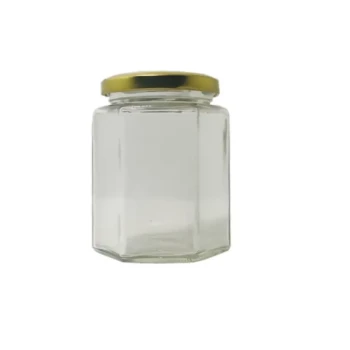
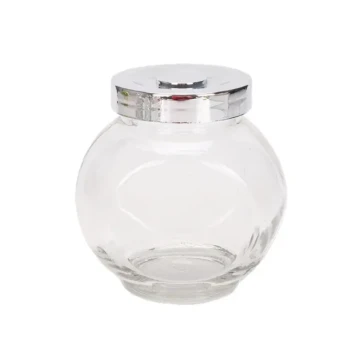
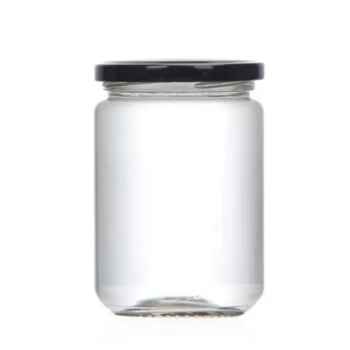
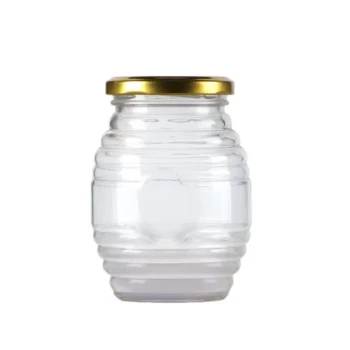
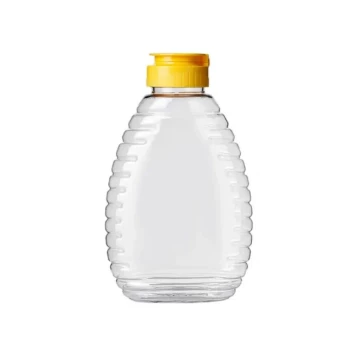
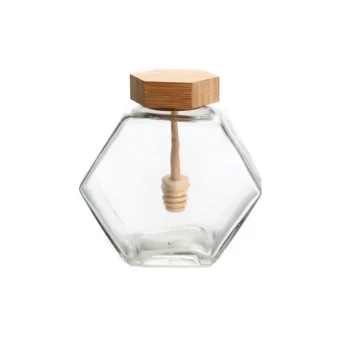
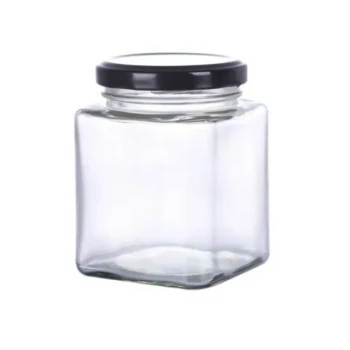
Jars remain the most popular option for retail and home storage. They are available in both glass and plastic varieties.
These containers are ideal for larger volumes, typically ranging from 100 grams to 1 kilogram, supporting long-term storage requirements.
Pouches (Flexible Home Use)
Pouches serve as a bridge between single-use and bulk storage. They hold a larger quantity of honey than sachets, making them suitable for regular home use.
Innovations in this category often focus on sustainability, utilizing materials that generate less production waste.
Sachets (Single Serving)
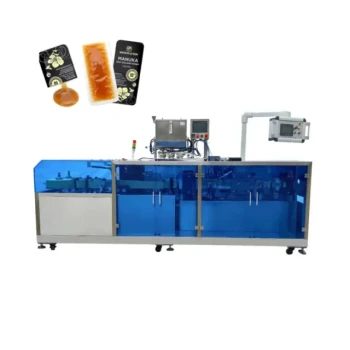
Sachets are small, sealed packets typically containing 10 to 15 grams of honey.
They are specifically engineered for the travel market and single-use scenarios, eliminating the mess associated with serving from a larger container.
Stick Forms (Immediate Consumption)
Similar to sachets, stick packs are slender tubes filled with honey.
Usually made of plastic, they are designed for immediate consumption, often allowing the user to squeeze the product directly into a beverage or onto food.
Material Science and Preservation
Beyond the shape of the container, the material used is critical for maintaining the honey's enzymatic activity and preventing spoilage.
The Critical Role of Barriers
Honey is hygroscopic, meaning it attracts moisture from the air. If packaging does not seal properly, the honey will absorb this moisture, leading to fermentation.
Containers must possess superior barrier properties to isolate the honey from air, external odors, and humidity.
Approved Materials
In the US, the FDA regulates the materials used for honey to ensure safety.
Commonly approved food-grade plastics include high-density polyethylene (HDPE), low-density polyethylene (LDPE), polypropylene (PP), and polyethylene terephthalate (PET).
Food-grade metal containers and glass are also standard, provided they feature well-sealing lids.
Understanding the Trade-offs
Choosing a packaging style involves balancing durability, cost, and environmental impact.
Glass vs. Plastic
Glass offers the most traditional aesthetic and excellent barrier protection, making it ideal for premium branding. However, it is heavy and prone to breakage.
Plastic is lightweight and durable but must be carefully selected (e.g., PCR resin) to meet sustainability goals and prevent chemical leaching.
Crystallization Management
Honey naturally crystallizes over time. Rigid jars (especially glass) allow for gentle warming to return honey to a liquid state.
Flexible packaging like sachets and sticks cannot be easily warmed without risking the integrity of the plastic or altering the taste of the honey through overheating.
Making the Right Choice for Your Goal
When selecting packaging, align the format with the intended end-use scenario.
- If your primary focus is long-term storage: Opt for glass jars with screw-on lids, as they offer the best protection against moisture and fermentation.
- If your primary focus is retail visibility: Choose clear PET plastic or glass, which allows consumers to see the product's color and viscosity, building trust.
- If your primary focus is convenience and travel: Utilize sachets or stick packs, which provide precise dosing without the need for utensils.
- If your primary focus is sustainability: Look for pouches or plastic containers made with Post-Consumer Recycled (PCR) resin to minimize environmental impact.
The best packaging preserves the natural enzymes of the honey while fitting seamlessly into the consumer's lifestyle.
Summary Table:
| Packaging Style | Typical Volume | Best Use Case | Key Advantages |
|---|---|---|---|
| Glass Jars | 100g - 1kg+ | Premium Retail & Long-term Storage | Superior barrier; easy to decrystallize |
| Plastic Jars (PET/HDPE) | 100g - 1kg | General Retail | Lightweight; shatterproof; cost-effective |
| Pouches | 200g - 500g | Refills & Sustainable Home Use | Reduced waste; flexible storage |
| Sachets | 10g - 15g | Travel & Single-use | Mess-free; precise dosing |
| Stick Packs | 5g - 15g | On-the-go Consumption | Slim profile; direct application to food/drinks |
Elevate Your Honey Brand with HONESTBEE
Choosing the right packaging is just the first step in a successful honey business. HONESTBEE specializes in empowering commercial apiaries and distributors with high-performance solutions. Whether you need professional honey-filling machines to automate your production line or premium beekeeping tools and machinery to scale your operations, we provide the full spectrum of industrial equipment and consumables.
From specialized hive-making hardware to honey-themed cultural merchandise, we deliver the quality you need to stay competitive. Contact us today to discuss your wholesale needs and discover how our comprehensive portfolio can grow your business!
Related Products
- Automatic Single-Dose Snap & Squeeze Honey Sachets Packing Machine
- Fully Automatic Honey Filling Packaging Machine for Processing Line
- Hexagonal Glass Honey Jars with Metal Lug Caps Elegant Versatile Packaging
- Double Nozzle Small Honey Filling Machine Honey Sachet Packing Packaging Equipment
- Economy Small Honey Filling Machine Honey Bottle Filler Packaging Machine
People Also Ask
- What are the advantages of honey sachet packing machines? Boost Efficiency & Unlock New Markets
- What are the main functions of a honey sachet packing machine? Boost Efficiency with Automated Precision
- How does an industrial-grade honey sachet packaging machine assist beekeepers in accessing public institution markets?
- Why is automated packaging machinery essential for scaling industrial honey production? Drive Commercial Scalability
- Why is it advantageous for apiaries to be located near honey processing centers? Boost Quality and Market Reach