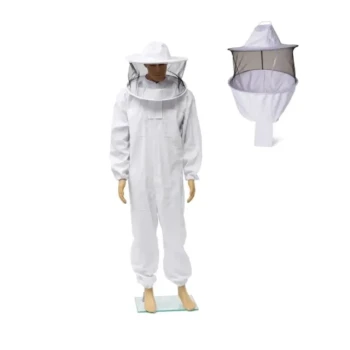
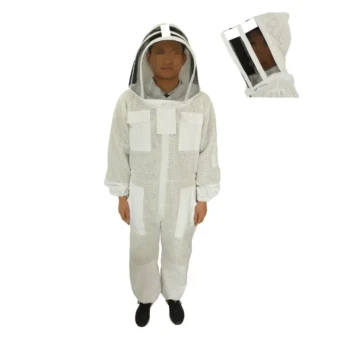
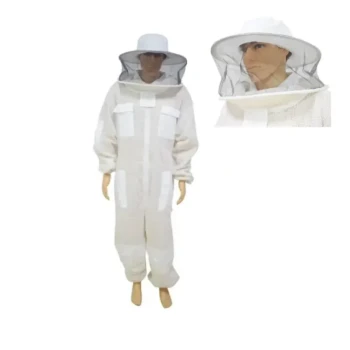
The primary distinction lies in coverage and convenience. A full beekeeping suit is a comprehensive, one-piece coverall designed to protect the entire body, whereas a partial suit consists of a protective jacket worn with your own pants. While full suits prioritize maximum security against stings, partial suits prioritize ventilation and ease of movement.
The choice between a full and partial suit requires balancing your need for total protection against your tolerance for heat and restricted movement. While full suits provide the security needed to build confidence in beginners, partial suits offer superior airflow and agility for quick hive inspections.
Structural Design and Coverage
The Full Suit Architecture
A full beekeeping suit is a one-piece zip-up garment. It functions similarly to coveralls, extending from the neck down to the ankles.
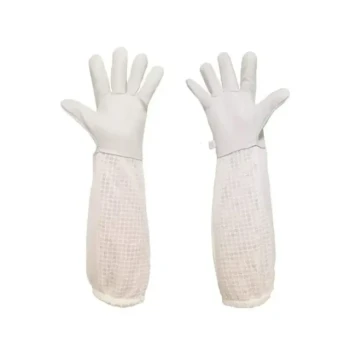
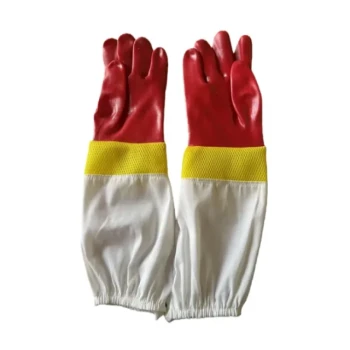
To ensure bees cannot enter the suit, these garments feature elasticized wrists and ankles. This design covers the head, body, arms, and legs completely, leaving only the hands and feet exposed (which must be protected by gloves and boots).
The Partial Suit Configuration
A partial suit typically refers to a beekeeping jacket. This protects the upper body, head, and arms but stops at the waist.
Beekeepers using a partial suit must pair the jacket with separate pants, such as thick denim jeans or specialized beekeeping trousers. This setup relies on the thickness of your personal clothing to protect your legs.
Veil Integration
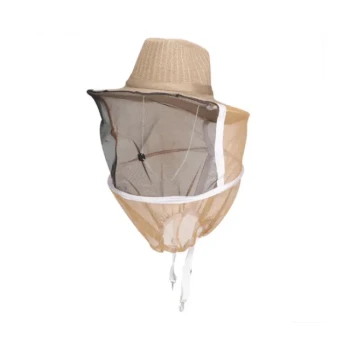
Both full suits and jackets generally come equipped with a veil or hood to protect the face and neck.
In high-quality gear, the veil is attached via a zipper and is fully removable. A non-removable veil is often a sign of a lower-quality suit.
Evaluating Comfort and Mobility
Heat Management
Full suits are known to suffer from low ventilation. Because they cover the entire body in a heavy layer, they can become very hot during summer inspections.
Partial suits are significantly cooler to wear. By allowing air to circulate more freely around the lower body, they reduce the risk of overheating for those who perspire heavily.
Ease of Movement
Due to their bulk and one-piece construction, full suits are heavier and more cumbersome. Bending, squatting, and maneuvering around the hive can feel restricted.
Partial suits allow for straightforward movement. They are less restrictive, making them a preferred choice for quick tasks where agility is helpful.
Convenience
A partial suit is generally easier to put on and take off. This makes it highly convenient for short visits to the apiary or quick maintenance tasks.
Understanding the Trade-offs
Protection vs. Vulnerability
The main benefit of the full suit is complete body protection. There are no gaps at the waist where a bee might accidentally crawl in, offering peace of mind.
The partial suit leaves the lower body exposed. If a hive becomes aggressive, bees may sting through standard jeans or crawl up a pant leg, posing a risk not present with a full suit.
The Confidence Factor
For beginners, the psychological benefit of a full suit is significant. The increased protection boosts confidence, allowing new beekeepers to focus on learning rather than worrying about stings.
However, this comes at the cost of physical comfort. The heat and weight can lead to fatigue faster than when wearing a lightweight jacket.
Making the Right Choice for Your Goal
Selecting the right gear depends on your experience level and your local climate.
- If your primary focus is maximum safety and confidence: Choose a full suit, as the one-piece design eliminates gaps and offers the highest level of protection for beginners.
- If your primary focus is comfort and ventilation: Choose a partial suit (jacket), as it is cooler, lighter, and easier to wear for quick inspections in hot weather.
The best protective gear is the one that allows you to work your hives calmly and effectively.
Summary Table:
| Feature | Full Beekeeping Suit | Partial Suit (Jacket) |
|---|---|---|
| Coverage | Total body (neck to ankles) | Upper body, head, and arms |
| Design | One-piece coverall | Separate jacket (requires personal pants) |
| Protection | Maximum (no gaps at waist) | Moderate (lower body depends on pants) |
| Ventilation | Lower (can be very hot) | Higher (superior airflow) |
| Mobility | Heavier and more restrictive | Lighter and easier to move in |
| Best For | Beginners & aggressive hives | Quick inspections & hot climates |
Elevate Your Apiary Operations with HONESTBEE
Choosing the right protective gear is just the first step in maintaining a productive and safe apiary. At HONESTBEE, we specialize in supporting commercial apiaries and distributors with high-quality, professional-grade solutions.
Whether you are looking to source high-durability beekeeping suits for your team or need specialized machinery like honey-filling and hive-making machines, we provide a comprehensive wholesale offering tailored to your business needs. From essential industry consumables to unique honey-themed cultural merchandise, our portfolio is designed to help you scale effectively.
Ready to upgrade your equipment or expand your inventory?
Contact HONESTBEE Today to discover how our wholesale tools and machinery can drive your business forward.
Related Products
- Premium Cotton Beekeeper Suit with Reinforced Fencing Veil
- Professional Cotton Beekeeper Suit with Round Veil Design for Commercial Apiaries
- Professional Beekeeper Suit with Square Folding Cotton Veil
- Beekeeping Jacket with Hood and Veil for Beekeepers
- Professional Beekeeping Suit for Kids and Girls Childrens Bee Keeper Suit
People Also Ask
- What material and design specifications are recommended for a high-quality beekeeper suit? Top Gear Selection Guide
- How to Pre-treat Propolis Stains on Beekeeping Suits? Master Advanced Fabric Care and Soil Removal
- What features should be considered for sting protection in a beekeeping suit? Ensure Total Safety and Comfort
- What are the differences between full suits and jackets with veils in beekeeping? Choose Your Best Protection
- What features should be looked for in a beekeeping suit for maximum comfort? Prioritize Ventilation and Fit