Migratory beekeeping requires a distinct class of equipment defined by high mobility, robust durability, and rapid processing capabilities. While fixed beekeeping relies on standard setups in a permanent location, migratory operations necessitate reinforced mobile hives for transport, portable high-efficiency extraction units, and flexible filtration systems capable of processing diverse, high-value mono-floral honeys in the field.
Core Takeaway The transition from fixed to migratory beekeeping transforms the operation from a static agricultural model to a mobile logistics challenge. Success relies on equipment that can withstand frequent long-distance transport and process harvests rapidly to maximize yields from short-term peak nectar flows.
The Core Difference: Mobility vs. Stability
The primary divergence between the two methods lies in the physical environment of the equipment. Fixed operations are static; migratory operations are dynamic.
Specialized Hive Construction
Fixed beekeeping typically employs standard small-to-medium beehive sets, such as the common 10-frame configuration. These are designed for stationary management in forests or farms where the hive is rarely moved.
In contrast, migratory beekeeping demands specialized mobile beehives. These structures are engineered with enhanced robustness to withstand the vibrations and physical stress of frequent long-distance transportation without compromising the colony's stability.
Logistics and Portability
Equipment for fixed beekeeping is installed permanently. Migratory equipment must be inherently portable.
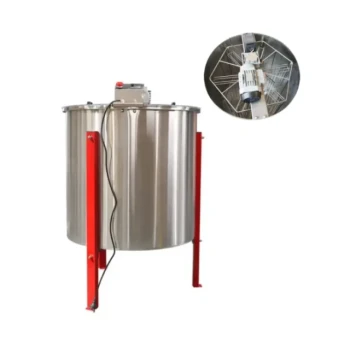
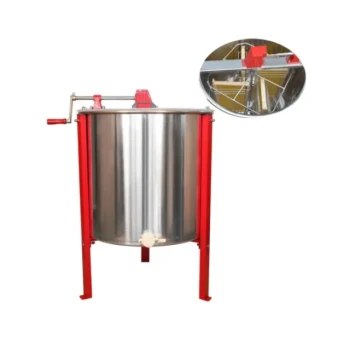
The extraction and filtration machinery must be designed for rapid setup and breakdown across multiple locations. This allows the beekeeper to chase seasonal blooms—such as sunflower or forest flowering periods—without being tethered to a single infrastructure.
Extraction Efficiency and Comb Preservation
Migratory beekeeping focuses on "high-frequency harvesting" to capture specific nectar flows. This places specific demands on the extraction machinery.
High-Throughput Extraction
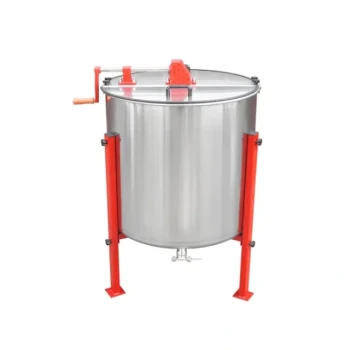
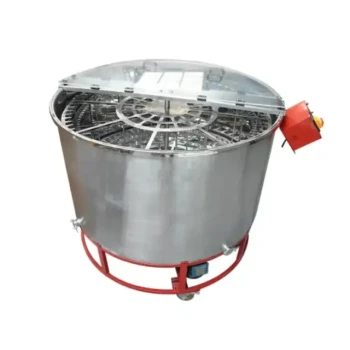
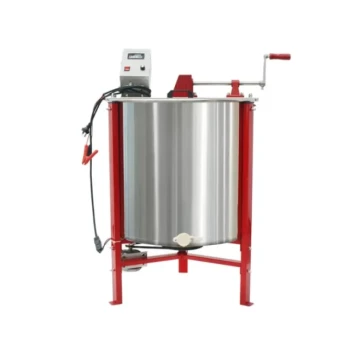
Because migratory beekeepers move to track peak nectar flows, the extraction window is often shorter and more intense. Equipment must utilize mechanized centrifugal processes to separate honey and wax efficiently.
This speed is critical for generating revenue from byproducts and offsetting the higher management costs associated with mobile logistics.
Preserving the Honeycomb
Modern extraction equipment for both methods uses centrifugal force to spin honey out without destroying the comb. This is vital for migratory operations focused on yield.
By preserving the honeycomb structure, bees do not need to expend energy rebuilding wax. Instead, they can focus immediately on nectar collection, significantly increasing the annual honey yield per hive.
Quality Control and Filtration Requirements
The market value of migratory honey often comes from its specific floral source (e.g., acacia or linden honey). This dictates strict processing standards.
Handling High-Value Mono-Floral Honeys
Migratory operations often produce "mono-floral" honeys, which command higher prices. The post-harvest processing equipment must be flexible enough to handle diverse packaging requirements for these various products.
Filtration systems must be capable of frequent cleaning to prevent cross-contamination between different floral harvests.
Material Safety Standards
Regardless of whether the operation is fixed or migratory, modern standards demand the elimination of traditional clay or straw containers.
All harvesting, filtration, and storage equipment must be made of stainless steel or food-grade materials. This prevents environmental impurities, ensures biological safety, and guarantees the final product meets commercial market specifications.
Understanding the Trade-offs
While migratory beekeeping offers higher yields, it introduces complexities that fixed beekeeping avoids.
Operational Complexity vs. Yield
Migratory beekeeping yields are significantly higher because colonies always have access to sufficient forage. However, this requires a complex "mobile factory" approach rather than a simple farming approach.
Equipment Durability
The lifespan of equipment in a migratory setup is tested more rigorously. The constant movement requires a higher initial investment in durable, industrial-grade components compared to the lighter-duty gear sufficient for a backyard or fixed farm apiary.
Making the Right Choice for Your Goal
The equipment you choose dictates the scale and scope of your beekeeping operation.
- If your primary focus is Stability and Low Overhead: Stick to fixed beekeeping with standard 10-frame hives and stationary processing gear to minimize logistical costs.
- If your primary focus is Maximum Yield and Variety: Invest in reinforced mobile hives, portable stainless steel extraction units, and transport logistics to chase peak seasonal blooms.
Ultimately, the equipment must match the strategy: fixed gear for consistent local harvests, or mobile ruggedized gear for high-volume, multi-regional production.
Summary Table:
| Feature | Fixed Beekeeping Equipment | Migratory Beekeeping Equipment |
|---|---|---|
| Hive Design | Standard 10-frame (Stationary) | Reinforced & Mobile (Stress-resistant) |
| Portability | Static installation | Rapid setup/breakdown capability |
| Extraction | Standard centrifugal units | High-throughput mechanized units |
| Workflow | Moderate/Consistent flow | High-frequency harvesting (Peak flows) |
| Materials | Food-grade/Standard | Industrial-grade Stainless Steel |
| Goal | Stability & Low Overhead | Maximum Yield & Mono-floral Variety |
Scale Your Apiary Success with HONESTBEE
Whether you are managing a stable farm or a high-intensity migratory operation, HONESTBEE provides the industrial-grade tools you need to maximize efficiency. We specialize in serving commercial apiaries and distributors with a comprehensive wholesale range, including:
- Robust Beekeeping Machinery: Hive-making and honey-filling machines built for durability.
- High-Efficiency Extraction: Portable stainless steel systems designed for rapid field processing.
- Complete Essentials: A full spectrum of beekeeping tools and industry consumables.
From specialized hardware to honey-themed cultural merchandise, we help you transform your honey production into a high-yield logistics powerhouse.
Ready to upgrade your equipment? Contact us today to discuss your wholesale needs!
References
- Devinder Sharma, Vishav Vir. Migratory Beekeeping in Jammu and Kashmir, India. DOI: 10.1080/0005772x.2013.11417535
This article is also based on technical information from HonestBee Knowledge Base .
Related Products
- Electric 8 Frame Honey Spinner Extractor Equipment for Beekeeping
- 6 Frame Manual Stainless Steel Honey Extractor Beekeeping Equipment
- HONESTBEE 2 Frame Manual Acrylic Honey Extractor Beekeeping Equipment
- HONESTBEE 72 Frame Industrial Electric Honey Extractor for Beekeeping
- 32 Frame Commercial Electric Honey Extractor for Beekeeping and Honey Production
People Also Ask
- What are the advantages of an electric honey extractor? Boost Efficiency and Scale Your Honey Production
- What are the characteristics of electric honey extractors? Boost Your Apiary Efficiency with Automated Technology
- What are the disadvantages of using an electric honey extractor? Weighing Cost, Power, and Comb Safety
- What are the features of an electric honey extractor? Boost Your Apiary's Productivity with Motorized Efficiency
- What are the technical advantages of electric honey extractors? Maximize Yield and Protect Your Bee Colony