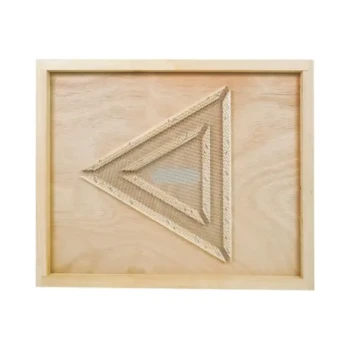
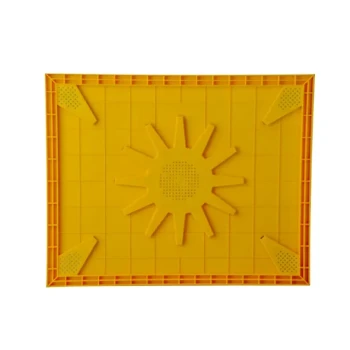
The bottom board is the foundation of the beehive, serving as the solid floor upon which the rest of the hive structure rests. It provides the colony with a single, controlled point of entry and exit, acting as the primary interface between the internal colony and the outside world.
While it functions physically as a floor, the bottom board’s most critical role is environmental and defensive control. It allows the beekeeper to regulate airflow and temperature based on the season while giving the colony a defensible choke point against intruders.
The Gatekeeper of the Hive
A Single Point of Entry
The bottom board is designed to provide one specific entrance and exit.
This design choice is intentional. By funneling all traffic through a single location, the hive maintains an organized flow of foragers leaving and returning with resources.
Seasonal Regulation
The entrance provided by the bottom board is adjustable, typically featuring two distinct settings.
There is a wide setting used during warmer months. This maximizes airflow and accommodates heavy traffic during nectar flows.
Conversely, there is a reduced size for colder conditions. This restricts airflow to help the colony maintain internal warmth during winter.
Facilitating Colony Defense
The single-entrance design is vital for security.
Because there is only one way in, guard bees can easily monitor and defend the hive. A limited entry point allows a smaller number of bees to effectively repel robbers and pests.
Structural and Environmental Integrity
The Base of the Stack
As the floor, the bottom board supports the weight of the entire hive assembly.
This includes the hive bodies (brood chambers), the honey supers placed above, and the inner and outer covers. It is the anchor for the hive components.
Moisture Control
Proper moisture management is essential for bee health.
The bottom board protects the colony from ground-level dampness. However, the board itself must be managed correctly to prevent it from becoming a source of moisture problems.
Elevation Requirements
To function correctly, the bottom board must always be kept off the ground.
Placing it directly on soil invites moisture to wick into the wood, causing rot and chilling the hive. It is usually placed on a hive stand or feet to ensure it remains dry and durable.
Common Pitfalls to Avoid
Neglecting Entrance Adjustments
A common error is failing to switch the entrance size as seasons change.
Leaving the entrance on the wide setting during winter exposes the colony to fatal drafts and cold. Conversely, leaving it on the reduced setting in summer causes congestion and overheating.
Improper Ground Contact
Placing the bottom board directly on the earth is a critical mistake.
This not only compromises the wood of the board but also allows easy access for ground-dwelling pests and moisture. Always ensure air can circulate under the bottom board.
Making the Right Choice for Your Goal
Whether you are preparing for winter or the height of summer, the bottom board is your primary tool for regulating hive access.
- If your primary focus is Overwintering: Utilize the reduced entrance setting to conserve heat and minimize cold drafts.
- If your primary focus is Peak Honey Production: Switch to the wide entrance setting to prevent traffic jams and maximize foraging efficiency.
- If your primary focus is Hive Longevity: Ensure the bottom board is elevated on a stand to prevent wood rot and moisture ingress.
By actively managing the bottom board's position and entrance size, you provide the stability and protection your colony needs to thrive.
Summary Table:
| Feature | Purpose | Seasonal Management |
|---|---|---|
| Single Entrance | Facilitates colony defense and traffic flow | Adjustable size (Wide vs. Reduced) |
| Structural Base | Supports hive bodies and honey supers | Must be elevated on a hive stand |
| Airflow Control | Regulates internal temperature | Wide in Summer / Reduced in Winter |
| Moisture Barrier | Protects from ground dampness and rot | Prevents wood decay and hive chilling |
Elevate Your Apiary with HONESTBEE Quality
As a professional commercial apiary or distributor, you know that the foundation of a successful colony starts with robust equipment. HONESTBEE specializes in providing the full spectrum of beekeeping tools, from durable bottom boards to advanced honey-filling machines.
Whether you need wholesale supplies or specialized hardware to scale your operations, we offer high-performance solutions tailored to the industry's most demanding needs. Contact us today to discover how our comprehensive portfolio and expert machinery can streamline your production and boost your distribution efficiency!
Related Products
- Langstroth Solid Bottom Board for Beekeeping
- Solid Bottom Board Australian Pine Wood Langstroth Bottom Board for Wholesale
- Langstroth Screen Bottom Board for Beekeeping Wholesale
- HONESTBEE Top Bar & Bottom Bar Forming Machine | Bee Frame Machine
- HONESTBEE Wooden Bee Escape Board with Triangle Mesh Design for Beekeeping
People Also Ask
- What are the functions of solid bottom boards for a beehive? Essential Thermal Protection and Winter Survival Tips
- What is the purpose of a solid bottom board for bee hives? Enhance Hive Health and Winter Survival
- How does climate influence the choice between a solid and screened bottom board? Optimize Your Hive for Local Weather
- What is the primary function of a bottom board in a modern modified beehive system? Essential Foundation Guide
- What are the characteristics of a solid bottom board for a beehive? Boost Colony Health and Thermal Insulation