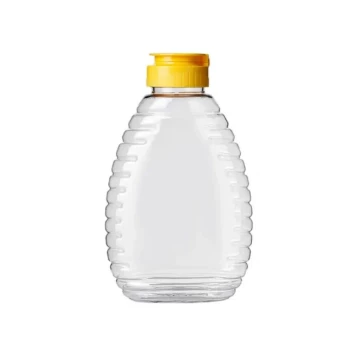
A specialized honeybee diagnostic container is a precision sampling tool composed of three distinct parts: a transparent outer bowl, an internal mesh basket, and a sealing lid. These components work in unison to coat bees with powdered sugar and mechanically filter out parasites, enabling the non-lethal detection of Varroa mites.
The device’s engineering centers on physical separation: it uses a mesh barrier to isolate dislodged parasites from the host bees, allowing for rapid infestation quantification without destroying the sample.
The Functional Anatomy of the Device
To understand the reliability of a sugar roll test, one must understand how each component of the container contributes to the physical separation process.
The Transparent Outer Bowl
The exterior vessel serves as the collection chamber. Being transparent is a functional necessity, not an aesthetic one.
It allows the beekeeper to visually monitor the behavior of the bees during the test and instantly view the dislodged mites as they fall through the basket.
The Internal Mesh Basket
This is the core filtration component. It is designed with a specific pore size that acts as a physical gatekeeper.
The mesh openings are large enough to allow Varroa mites and powdered sugar to pass through, but small enough to safely contain the honeybees.
The Sealing Lid
The lid ensures the system remains a closed loop during the agitation process.
It secures the bees inside the mesh basket, allowing the user to perform the necessary rotating motion without the risk of bees escaping or stinging.
The Mechanics of the Sugar Roll Test
The diagnostic container turns a manual inspection into a standardized mechanical process.
Achieving Uniform Coverage
The device allows the user to apply a rotating motion to the trapped bees.
This action ensures that every bee is evenly coated in powdered sugar, which disrupts the mites' ability to hold onto their hosts.
Separation via Agitation
Once the mites are dislodged by the sugar, the mesh basket functions as a sieve.
As the user shakes or rotates the container, the mites fall through the mesh into the outer bowl, while the bees remain physically separated in the basket.
Non-Lethal Sampling
The defining role of this container is its ability to preserve the colony's workforce.
By relying on mechanical separation rather than chemical agents (like alcohol), the device enables non-lethal sampling, allowing the bees to be returned to the colony after the test.
Understanding the Trade-offs
While the diagnostic container is effective for preserving bees, it relies heavily on proper technique.
Mechanical Limitations
The success of the separation depends entirely on the mesh integrity and the vigorousness of the agitation.
If the rotation is too gentle, mites may remain trapped in the sugar on the bees; if the mesh size is incorrect, the separation will fail.
Visual Obstruction
While the bowl is transparent, the presence of heavy powdered sugar can sometimes obscure visibility.
Users must ensure the mites have fully fallen through the mesh to get an accurate count, rather than relying on a quick glance.
Making the Right Choice for Your Goal
The use of this specialized container is a strategic decision based on your colony management philosophy.
- If your primary focus is colony preservation: This is the superior choice, as the non-lethal design allows you to return the sample bees to the hive, maintaining colony strength.
- If your primary focus is rapid field assessment: The transparent bowl allows for immediate counting of mites without the need for complex lab equipment or liquid disposal.
The specialized diagnostic container transforms the complex biological problem of parasite separation into a simple, mechanical process that prioritizes the survival of the host.
Summary Table:
| Component | Primary Function | Role in Diagnostic Process |
|---|---|---|
| Transparent Outer Bowl | Collection & Visibility | Allows instant visual quantification of dislodged mites. |
| Internal Mesh Basket | Physical Filtration | Separates mites and sugar from host bees via specific pore sizes. |
| Sealing Lid | Secure Containment | Enables vigorous agitation/rotation without bee escape or stings. |
| Powdered Sugar | Irritant/Dislodging Agent | Disrupts the grip of Varroa mites on the bee's body. |
Maximize Your Colony Health with HONESTBEE Precision Tools
Maintaining a healthy apiary starts with accurate diagnostics. At HONESTBEE, we specialize in empowering commercial apiaries and distributors with professional-grade beekeeping equipment. From high-precision diagnostic containers to honey-filling machines and specialized hardware, our comprehensive wholesale offering is designed to optimize your operations.
Partner with HONESTBEE to access:
- Industrial-Grade Machinery: Hive-making and honey-processing equipment.
- Essential Consumables: A full spectrum of tools for commercial beekeeping.
- Strategic Wholesale Support: Tailored solutions for global distributors.
Ready to elevate your beekeeping business? Contact us today to explore our full product portfolio and see how we can add value to your supply chain!
References
- Roberto Bava, Vincenzo Musella. Prevalence of Varroa destructor in Honeybee (Apis mellifera) Farms and Varroosis Control Practices in Southern Italy. DOI: 10.3390/microorganisms11051228
This article is also based on technical information from HonestBee Knowledge Base .
Related Products
- Classic Honey Bear Jars with Flip Top Dispensing Cap for Liquid Sweeteners
- Langstroth Honey Bee Box Hive Boxes for Different Depths
- Squeezable No-Drip Beehive-Shaped Honey Jars with Flip-Top Cap
- Classic Glass Honey Jar with Metal Lug Cap for Beehive Storage
- Plastic Transporting Bee Packages and Nuc Boxes for Beekeeping
People Also Ask
- What food safety standards must honey containers meet? Expert Guide to Packaging Integrity & Hygiene
- Why is it important to distinguish between weight and volume when selecting honey containers? Maximize Profits Now
- What are the benefits of purchasing honey containers in bulk? Maximize Margins & Secure Your Supply Chain
- What should be considered when choosing a container for honey to ensure effective sealing? Master Honey Packaging Success
- What is the best container to store honey in? Preserve Purity & Flavor for Years