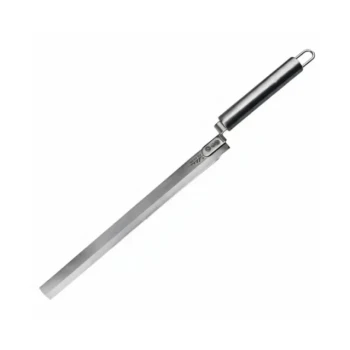
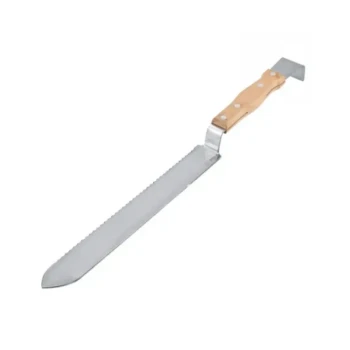
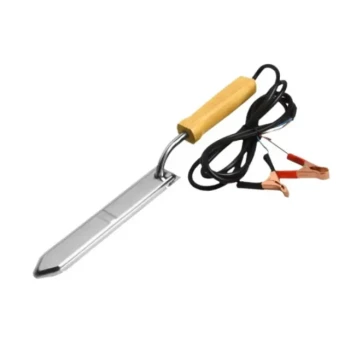
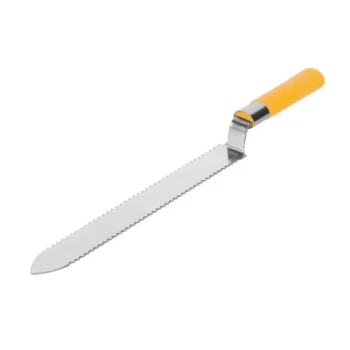
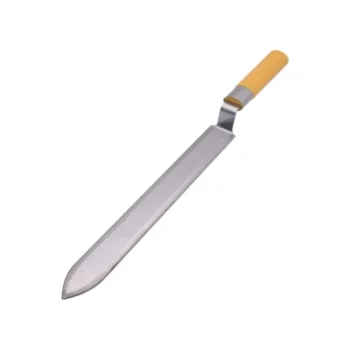
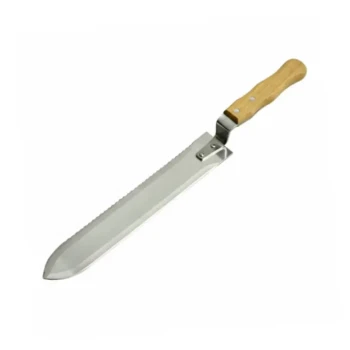
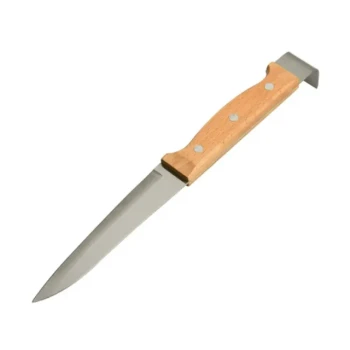
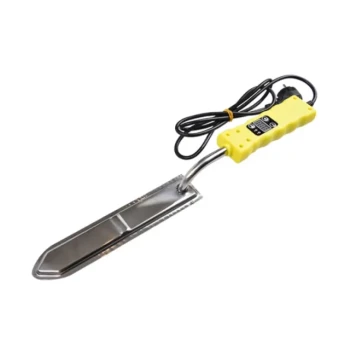
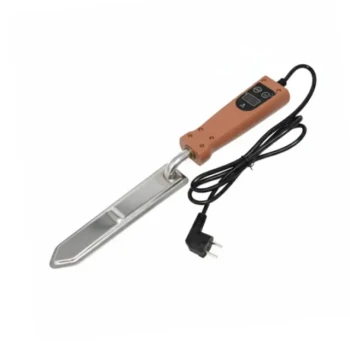
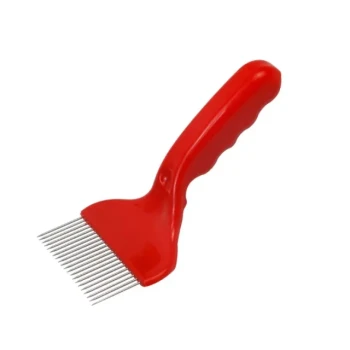
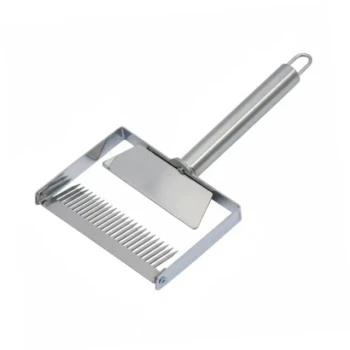
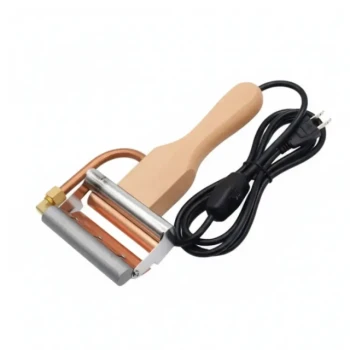
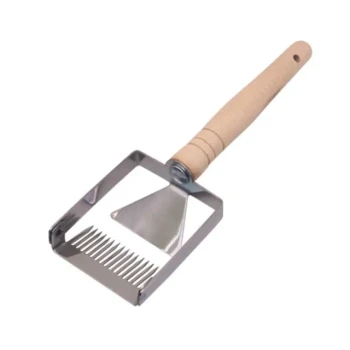
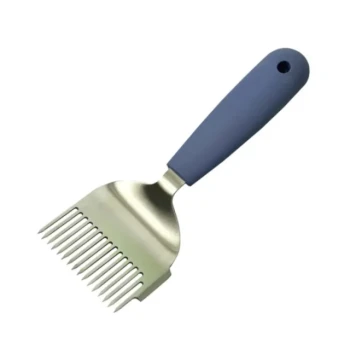
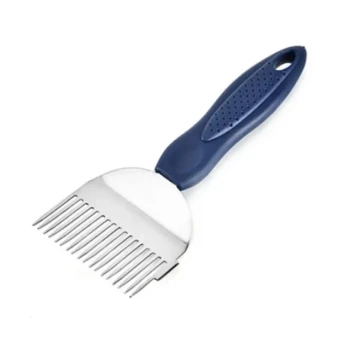
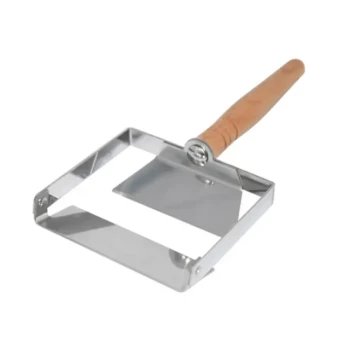
The fundamental difference lies in the cutting mechanism: mechanical force versus thermal assistance. A cold uncapping knife is a purely manual tool that relies on a sharp edge to physically slice wax cappings off the honeycomb. A heated uncapping knife employs an integrated heating element to melt through the wax, significantly reducing resistance and accelerating the preparation of frames for extraction.
The choice between these tools represents a trade-off between simplicity and efficiency. While a cold knife is effective for low-volume mechanical slicing, a heated knife utilizes thermal energy to streamline the workflow, making it the superior choice for maximizing speed and easing the physical demands of honey processing.
Operational Differences
The Mechanics of the Cold Knife
A cold uncapping knife operates as a standard blade. It functions exclusively through mechanical slicing.
To use it effectively, the operator must apply consistent manual pressure to shear the wax seals off the frame. Because it lacks thermal aid, the ease of the cut depends entirely on the sharpness of the blade and the physical force exerted by the user.
The Thermal Advantage of Heated Knives
In contrast, a heated uncapping knife features an integrated heating element.
Instead of sawing or forcing the blade through the comb, the heat allows the knife to melt through the wax cappings. This thermal action provides a smoother pass across the frame and facilitates an easier release of honey from the comb, as the wax offers almost no resistance to the heated metal.
Impact on Workflow
Speed and Throughput
The primary operational benefit of the heated knife is speed. The melting action significantly accelerates the uncapping process.
For apiarists processing a large number of frames, this reduction in time per frame accumulates into substantial labor savings. A cold knife, while reliable, limits the speed of production to the operator's physical dexterity and endurance.
Preparation for Extraction
Regardless of the knife type chosen, the end goal remains the same. Both tools are used to expose the honey prior to placing frames into centrifugal extraction equipment.
This process typically occurs over a specialized uncapping tank, which captures the wax cappings while allowing the honey to drain. While both tools achieve the necessary exposure, the heated knife generally leaves a cleaner cut with less drag on the delicate honeycomb structure.
Understanding the Trade-offs
Simplicity vs. Dependency
A cold uncapping knife offers absolute reliability. It has no cords, requires no power source, and has no heating elements that can fail. It is a "grab-and-go" tool ideal for remote locations or simple setups.
Precision vs. Risk
While the heated knife offers superior speed, it introduces a thermal variable. The heat must be managed to ensure it melts the wax without scorching the honey. However, for most standard operations, the ability to glide through wax offsets the minor complexity of managing a powered tool.
Making the Right Choice for Your Goal
Selecting the correct tool depends largely on the volume of your operation and your available infrastructure.
- If your primary focus is simplicity or low volume: Stick with a cold uncapping knife; it is a cost-effective, maintenance-free solution that effectively handles small batches without requiring electricity.
- If your primary focus is efficiency and speed: Invest in a heated uncapping knife; the thermal element significantly reduces physical effort and minimizes the time required to process each frame.
Ultimately, the heated knife transforms uncapping from a physically demanding chore into a streamlined process, making it the definitive upgrade for growing operations.
Summary Table:
| Feature | Cold Uncapping Knife | Heated Uncapping Knife |
|---|---|---|
| Mechanism | Purely mechanical slicing | Thermal melting + slicing |
| Power Source | None (Manual) | Electrical / Steam |
| Processing Speed | Moderate (Manual dependent) | High (Accelerated by heat) |
| Physical Effort | High (Requires manual pressure) | Low (Glides through wax) |
| Best Used For | Small batches / Remote areas | Commercial apiaries / High volume |
| Maintenance | Sharpening only | Electrical safety / Cleaning |
Streamline Your Commercial Apiary with HONESTBEE
Are you looking to scale your honey production or optimize your distribution chain? HONESTBEE specializes in empowering commercial apiaries and distributors with professional-grade beekeeping solutions.
We provide a comprehensive wholesale catalog including:
- Advanced Machinery: High-efficiency honey-filling machines and automated hive-making equipment.
- Specialized Tools: Professional heated uncapping knives and centrifugal extraction systems.
- Industry Consumables: A full spectrum of essential supplies for large-scale operations.
- Cultural Merchandise: Unique honey-themed retail products.
Maximize your efficiency and minimize labor today. Contact HONESTBEE for a wholesale quote and let us help you build a more productive beekeeping business.
Related Products
- Professional All-Stainless Steel Uncapping Knife for Beekeeping
- Professional Z-Shaped Multi-Function Uncapping Knife for Beekeeping
- Professional 12V DC Electric Uncapping Knife for Beekeeping
- Professional Serrated Double-Sided Uncapping Knife for Beekeeping
- Professional Stainless Steel Double-Sided Honey Uncapping Knife
People Also Ask
- What is the use of a bee knife? Essential for Efficient Honey Harvesting
- What is an uncapping knife and its function in honey harvesting? Essential Tips for Efficient Extractions
- What is the primary difference between a cold and heated uncapping knife? Choose the Best Tool for Your Honey Harvest
- What is the function of uncapping knives or uncapping forks? Expert Tools for Honey Harvesting Productivity
- How do sustainable harvesting consumables support hive conservation? Boost Colony Health & Commercial Yield