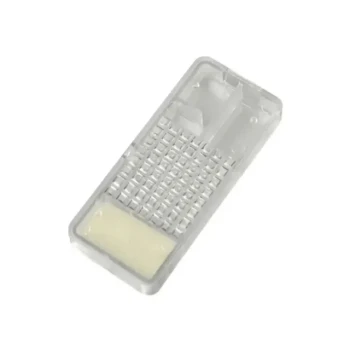
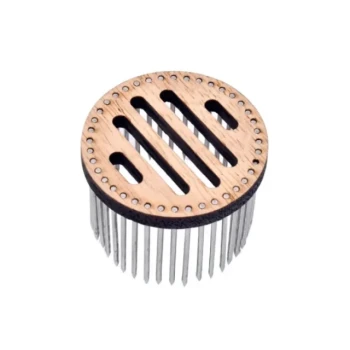
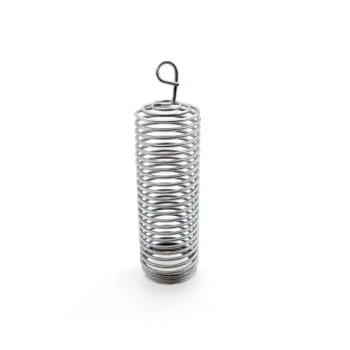
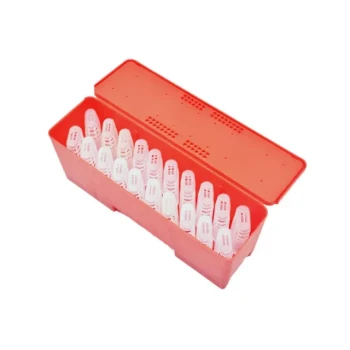
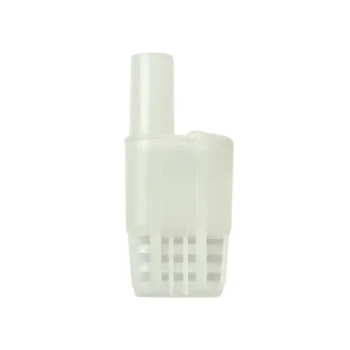
Colony-specific cages act as precision isolation tools designed to separate different honey bee treatment groups within a controlled laboratory environment. These devices primarily function to standardize the rearing conditions, specifically by providing adequate activity space and identical feeding interfaces. This ensures that every group has equal access to resources, preventing environmental inconsistencies from skewing experimental data.
By standardizing the physical environment and nutrient intake, these cages remove critical confounding variables. They ensure that variations in bee longevity are attributed to the specific experimental treatments rather than uneven food access or stress.
Establishing Experimental Integrity
Isolation of Treatment Groups
The fundamental purpose of colony-specific cages is the strict separation of biological variables. By housing specific groups of bees in dedicated units, researchers can apply distinct treatments to each group without the risk of cross-contamination or interaction. This physical separation is the baseline requirement for valid comparative analysis in a laboratory setting.
Provision of Activity Space
While laboratory settings are inherently artificial, bees require a minimum threshold of movement to remain viable test subjects. These cages are engineered to provide sufficient activity space, allowing bees to perform necessary behaviors. This spatial allowance helps mitigate confinement stress, which could otherwise artificially shorten lifespans and invalidate mortality data.
Standardization of Nutrition
Uniform Feeding Interfaces
To generate reliable data, the method of food delivery must be consistent across all subjects. Colony-specific cages are equipped with standardized feeding interfaces. This hardware consistency ensures that whether a bee is in the control group or a treatment group, the physical effort and accessibility regarding food consumption remain identical.
Eliminating Nutritional Stress
The most critical function of these cages, often supported by specialized feeders, is the elimination of starvation as a variable. By facilitating ad libitum (at one's pleasure) feeding of high-concentration sucrose and pollen, the cages ensure bees are not subjected to nutritional stress. This guarantees that longevity results reflect the impact of the treatment or pathogen being studied, not a lack of calories or protein.
Common Pitfalls to Avoid
The Risk of Unequal Resources
Without the standardized interfaces provided by these cages, experiments face the "hidden variable" of resource competition. If one group expends more energy to access food than another, or if food availability fluctuates, mortality rates will reflect caloric deficits rather than the experimental hypothesis.
Ignoring the Impact of Stress
Failure to provide adequate activity space within these isolation units creates confinement stress. This can weaken the bees' immune systems, making them more susceptible to pathogens independent of the actual experimental variables, thereby generating false positives in toxicity or disease studies.
How to Apply This to Your Project
If your primary focus is Longevity Testing: Prioritize cages with strictly standardized feeding ports to ensure that lifespan data is not skewed by caloric restriction or starvation.
If your primary focus is Pathogen Research: Utilize cages that offer adequate activity space to maintain baseline insect health, ensuring that mortality is caused by the pathogen rather than environmental stress.
If your primary focus is Behavioral Observation: Ensure the cage design permits visibility and movement, allowing for the assessment of activity levels without compromising the isolation of the treatment group.
Effective laboratory rearing relies on removing noise from the data; colony-specific cages are the filter that makes this clarity possible.
Summary Table:
| Core Function | Description | Impact on Experimental Data |
|---|---|---|
| Biological Isolation | Separates treatment groups to prevent cross-contamination. | Ensures validity of comparative analysis. |
| Spatial Management | Provides adequate activity space to reduce confinement stress. | Prevents artificial mortality from stress. |
| Resource Uniformity | Standardized feeding interfaces for identical nutrient access. | Removes nutritional intake as a confounding variable. |
| Environmental Control | Maintains consistent temperature and humidity interfaces. | Eliminates environmental noise and data skewing. |
Elevate Your Research and Operations with HONESTBEE
At HONESTBEE, we understand that precision is the backbone of successful honey bee research and commercial beekeeping. Whether you are a commercial apiary looking for industrial-grade hive-making and honey-filling machinery, or a distributor seeking a comprehensive wholesale partner for high-quality beekeeping tools and industry consumables, we deliver the expertise you need.
Our extensive portfolio—ranging from specialized laboratory hardware to honey-themed cultural merchandise—is designed to help you achieve consistent, professional results. Let us provide the technical foundation for your growth.
Contact HONESTBEE today to discuss your equipment and wholesale needs.
References
- Jennifer A. Berry, Keith S. Delaplane. Field-Level Sublethal Effects of Approved Bee Hive Chemicals on Honey Bees (Apis mellifera L). DOI: 10.1371/journal.pone.0076536
This article is also based on technical information from HonestBee Knowledge Base .
Related Products
- Hexagonal Direct Comb Introduction Queen Bee Cage
- Professional Bamboo Queen Isolation Cage
- Classic Wooden and Mesh California Queen Cage
- Wood and Mesh Push-In Queen Cage
- Modern Flat-Mount Hive Number Set for Beekeeping
People Also Ask
- What is the technical purpose of using an introduction cage? Ensure Safe Queen Bee Integration and Colony Acceptance
- How does the introduction cage method differ from standard cage insertion for queen bees? Best Acceptance Strategies
- What is the mechanism of action for using temporary queen bee cages? Master Successful Queen Introduction
- Why are specialized queen bee cages used for the banking of mated queen bees? Maximize Commercial Apiary Storage Efficiency
- What is the importance of specialized queen introduction cages and tools? Secure High-Value Genetics & Scalability.