Heat treatment and sterilization equipment serves the critical function of stabilizing honey for commercial distribution by arresting fermentation and preventing granulation. By applying precise thermal controls, this machinery ensures the product remains liquid and shelf-stable, while simultaneously reducing viscosity to facilitate filtration and packaging.
The central value of this equipment lies in achieving a delicate thermal balance: effectively neutralizing spoilage risks like yeast and crystallization without degrading the heat-sensitive enzymes that define the honey’s nutritional quality.
The Core Biological Objectives
Reducing Yeast Activity
Raw honey naturally contains yeasts. If the moisture content allows, these yeasts can ferment, leading to spoilage and a sour taste. Heat treatment significantly reduces yeast activity. This sterilization process prevents fermentation, ensuring the product remains stable during storage and transport.
Dissolving Crystallization
Honey has a natural tendency to crystallize (granulate) over time, which can affect its aesthetic appeal and texture. Heating equipment is used to dissolve existing sugar crystals before packaging. This ensures the honey maintains a clear, liquid appearance that is often preferred by consumers in the retail market.
Operational and Processing Benefits
Reducing Viscosity for Filtration
At lower temperatures, honey is viscous and difficult to process. Professional heating equipment reduces this viscosity, making the honey flow more freely. This is essential for the efficient removal of impurities, such as wax debris and bee parts, through filtration systems.
Ensuring Hygiene and Purity
Heating is often integrated with filtration to ensure the final product meets high purity standards. By facilitating the removal of particulate matter and standardizing the liquid state, heat treatment helps honey meet the strict hygiene requirements of the pharmaceutical and food industries.
Understanding the Trade-offs
The Risk to Enzymatic Activity
The most critical challenge in honey heat treatment is preserving its biological value. Honey contains heat-sensitive nutrients and enzymes that are easily destroyed by excessive temperatures. If the equipment is set to temperatures that are too high or if the duration is too long, the nutritional quality of the honey is permanently degraded.
Sensory Impact
Beyond nutrition, improper thermal processing can alter the sensory experience. Precise control is required to prevent changes in color or flavor. The equipment must balance the need for sterilization with the imperative to keep the honey’s sensory profile intact.
Making the Right Choice for Your Goal
To select the right thermal processing strategy, you must define your end-product goals:
- If your primary focus is Mass Market Shelf Stability: Prioritize equipment that guarantees the complete dissolution of crystals and yeast inactivation to prevent fermentation during long shipping and shelf times.
- If your primary focus is Premium or "Raw" Quality: Prioritize systems with precision low-temperature controls that reduce viscosity just enough for filtration without compromising enzymatic activity.
Effective honey processing is not about maximizing heat, but about optimizing the preservation of nature through technology.
Summary Table:
| Function | Primary Objective | Key Benefit |
|---|---|---|
| Yeast Reduction | Sterilization | Prevents fermentation and spoilage |
| Crystal Dissolution | Texture Management | Maintains liquid state and consumer appeal |
| Viscosity Reduction | Processing Efficiency | Facilitates easier filtration and faster packaging |
| Hygiene Control | Purity Standards | Removes impurities and meets food/pharma requirements |
| Precision Control | Nutrient Preservation | Protects heat-sensitive enzymes and flavor profiles |
Elevate Your Honey Production with HONESTBEE
At HONESTBEE, we understand that balancing thermal stability with nutritional integrity is the key to a premium product. We provide commercial apiaries and distributors with high-precision heat treatment systems, honey-filling machines, and specialized hardware designed to protect your honey’s unique enzymatic profile.
Whether you are scaling a mass-market operation or a boutique brand, our comprehensive wholesale offering covers the full spectrum of beekeeping tools, machinery, and industry consumables. Let us help you optimize your processing line for maximum efficiency and quality.
Contact HONESTBEE Today for a Professional Consultation
References
- Adi Priatno, Muhamad Fauzi. Honey Halal Product for Competition Strategy in Indonesia: The New Institutional Economics. DOI: 10.6007/ijarbss/v13-i6/17408
This article is also based on technical information from HonestBee Knowledge Base .
Related Products
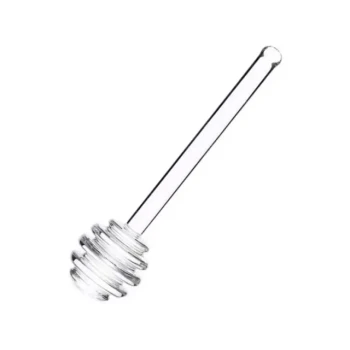
- Premium Heat-Resistant Glass Honey Dipper
- 0.5T Capacity Honey Dehumidifier Dryer with Vacuum Heating and Thickening Filtering Machine
- Professional Thermostatic Conical Honey Melter
- Silicone Rubber Honey Drum Heating Belt
- Honey Concentrating Vacuum Heating Thickening Machine Dehumidifier for Honey
People Also Ask
- How do you clean and store a honey dipper? Simple Steps for Long-Lasting Performance
- What is a honey dipper? Master the Art of the Perfect Drizzle with This Essential Tool
- What is a honey dipper and what is it used for? A Guide to Mess-Free Drizzling
- What is a honey taking spoon called? Discover the Tool for a Perfect, Mess-Free Drizzle
- What is the proper method for cleaning a honey dipper? Maintain Pure Flavor with These Easy Pro Tips