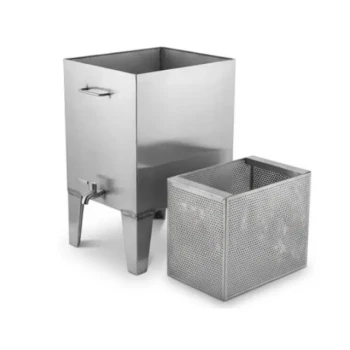
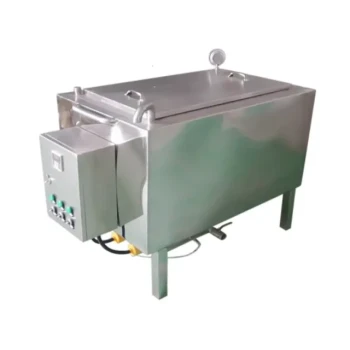
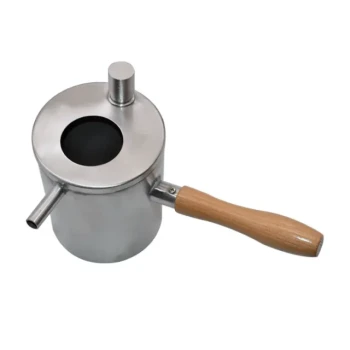
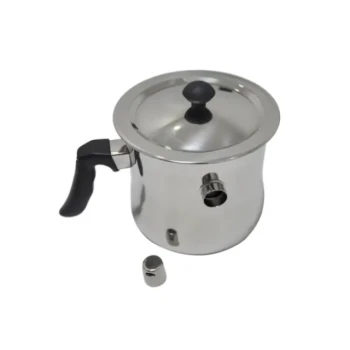
Industrial wax recovery relies on a two-stage synergy: thermal preparation followed by mechanical extraction. A steam wax melter utilizes high-temperature steam to penetrate honeycombs, effectively softening and melting the bulk of the beeswax. Once heated, a mechanical wax presser applies physical pressure to the material, forcing out residual wax trapped within cocoons and impurities that steam alone cannot release.
While steam provides the heat necessary to change the state of the wax, it often leaves valuable resources trapped in waste material. The addition of a mechanical presser captures this "lost" wax, maximizing efficiency and minimizing resource waste in large-scale processing.
Phase 1: Thermal Preparation
To recover wax efficiently, the material must first be transformed from a solid structure into a pliable liquid.
The Role of High-Temperature Steam
The steam wax melter acts as the primary breakdown mechanism. It subjects old honeycombs or wax fragments to intense heat via steam. This process melts the structural integrity of the comb, causing the wax to run off and separate from frames or larger debris.
Softening the Impurities
Beyond simple melting, the steam plays a critical role in conditioning the "slumgum"—the mixture of cocoons, propolis, and other residues. The high moisture and heat soften these impurities. This preparation is essential, as cold or brittle waste material cannot be effectively pressed later.
Phase 2: Mechanical Extraction
Once the material is heated and softened, the process shifts from thermal to kinetic energy to capture the remaining yield.
Applying Physical Pressure
The mechanical wax presser receives the heated material immediately following the steam process. It applies significant compressive force to the hot mixture. This pressure squeezes the softened cocoons and debris, much like wringing out a sponge.
Extracting Residual Wax
Steam melting alone relies on gravity, which leaves a significant amount of wax absorbed inside the waste material. The presser overcomes this limitation. By physically forcing the wax out of the impurities, it recovers the percentage of yield that would otherwise be discarded.
Understanding the Trade-offs
While this combined system offers superior yields, it introduces specific operational considerations.
Increased Operational Complexity
Running two distinct machines increases the complexity of the production line. Operators must manage the transfer of hot material from the melter to the presser quickly to prevent cooling. This requires a streamlined workflow to maintain efficiency.
Energy and Equipment Overhead
Utilizing both steam generation and mechanical compression requires higher energy inputs than a simple gravity-drip system. Additionally, the initial capital investment for a dual-machine setup is higher. These factors must be weighed against the long-term value of the recovered wax.
Optimizing Your Wax Processing Line
Deciding to implement this two-step process depends on the scale of your operation and your recovery goals.
- If your primary focus is Maximum Yield: Implement the combined system to extract residual wax trapped in cocoons, which significantly reduces waste.
- If your primary focus is Operational Simplicity: A standalone steam melter may suffice, provided you accept a lower extraction rate and higher wax loss in the waste by-product.
The most efficient industrial operations treat heat and pressure not as separate choices, but as complementary forces that ensure every ounce of usable product is recovered.
Summary Table:
| Stage | Equipment | Core Mechanism | Purpose |
|---|---|---|---|
| Phase 1 | Steam Wax Melter | Thermal Heat (Steam) | Softens material and melts bulk wax from combs. |
| Phase 2 | Mechanical Wax Presser | Kinetic Pressure | Squeezes residual wax out of cocoons and waste. |
| Outcome | Combined System | Thermal + Mechanical | Achieves maximum extraction yield and minimizes waste. |
Maximize Your Beeswax Yield with HONESTBEE
Don't let valuable wax go to waste in your processing line. At HONESTBEE, we specialize in providing commercial apiaries and distributors with high-performance industrial machinery, including advanced steam wax melters and mechanical wax pressers.
Our comprehensive wholesale offering covers everything from hive-making and honey-filling machines to essential consumables. Partner with us to optimize your recovery efficiency and scale your operations with reliable, professional-grade equipment.
Contact Our Experts Today to build a more profitable wax processing system!
References
- Tesfu Shegaw, Desalegne Begna. Assessment on Beeswax Production, Processing and Marketing in Selected Districts of Kafa Zone, Southern Nations Nationalities and Peoples Region (SNNPR), Ethiopia. DOI: 10.7176/fsqm/119-03
This article is also based on technical information from HonestBee Knowledge Base .
Related Products
- Steam Beeswax Melter Wax Warmer for Wax Processing
- Electric Commercial Beeswax Melter for Factory Use
- Professional Stainless Steel Wax Melter for Beekeeping and Crafts
- Beeswax Melter for Candle Making Honey Bee Wax Melter
- Solar Beeswax Melter Easy Solar Wax Melter for Beeswax
People Also Ask
- How does a steam wax melter work? A Fast, Efficient Method for High-Quality Wax
- How does a professional steam wax melter optimize the recovery of beeswax? Maximize Yield & Hygiene for Your Apiary
- What are the steps to use a steam wax melter? Master Safe & Efficient Wax Rendering
- How do steam wax melters function in the disinfection of apiary equipment? Achieve Chemical-Free Organic Sterilization
- How do you operate a steam wax melter? Master Efficient Wax Extraction and Frame Sterilization