Beehive frames are waxed primarily to stimulate the colony's natural building instincts. This process involves coating the frame surface with a thin layer of beeswax to encourage the bees to draw out comb efficiently.
By applying a thin layer of beeswax, beekeepers create a biological cue that prompts bees to build structure. This preparation turns a raw material into a foundation the colony accepts as their own.
The Strategic Role of Waxing
Encouraging Comb Construction
The central reason for waxing frames is to encourage bees to draw out comb. Without this waxy incentive, bees may be slower to accept the artificial structure of the frame. The wax acts as a starter mechanism for their building behavior.
Integrating Artificial Materials
Beehive frames are typically manufactured from inexpensive, nontoxic materials. Common choices include softwoods, such as eastern pine, or various plastics.
Bridging the Gap
While materials like pine and plastic are safe for contact with bees and honey, they are not natural to the colony's internal environment. Waxing the frames bridges the gap between these manufactured components and the organic needs of the hive.
Application Fundamentals
The Thin Layer Technique
The correct method for waxing is to apply a thin layer of beeswax onto the frame. It is not necessary to coat the frame heavily; a light application is sufficient to provide the necessary scent and texture cues.
Periodic Maintenance
Frames are not necessarily waxed only once. The primary reference notes that frames are periodically waxed. This suggests that refreshing the wax coating may be necessary over time to maintain the bees' interest and productivity.
Common Pitfalls to Avoid
Ignoring Material Context
While frames are made of nontoxic softwoods or plastics, relying solely on the raw material is often insufficient. Failing to wax these surfaces can result in delayed comb production.
Over-complicating the Process
The goal is simply to assist the bees, not to reconstruct the hive for them. The application should remain a surface treatment rather than a heavy structural addition.
Optimizing Your Hive Setup
Successful beekeeping requires aligning your equipment maintenance with the bees' biological instincts.
- If your primary focus is new equipment: Ensure all pine or plastic frames receive a thin layer of wax before installation to jumpstart comb building.
- If your primary focus is hive maintenance: Periodically re-apply wax to older frames to encourage continued use and comb repair.
Ultimately, a thin coating of beeswax is the most effective way to signal to your colony that a frame is ready for habitation.
Summary Table:
| Feature | Waxing Detail |
|---|---|
| Primary Purpose | Stimulate natural comb building instincts |
| Material Compatibility | Softwoods (Eastern Pine), Plastics |
| Application Method | Thin, even layer of beeswax |
| Frequency | Initial setup and periodic maintenance |
| Key Benefit | Faster hive acceptance and structural integration |
Maximize Your Colony's Productivity with HONESTBEE
At HONESTBEE, we understand that high-quality foundations lead to thriving hives. Whether you are managing a large-scale commercial apiary or acting as a professional distributor, our comprehensive wholesale offering provides everything you need to succeed. From premium beekeeping tools and machinery to specialized honey-filling and hive-making equipment, we supply the industry’s most reliable consumables.
Ready to scale your beekeeping operations with professional-grade hardware and hive essentials? Contact us today to explore our full catalog and wholesale pricing!
Related Products
- Assembled Wooden Bee Frames with Beeswax Foundation Ready to Use by HONESTBEE
- Wooden Bee Hive Frames for Beekeeping and Wholesale
- Professional Bee Frame Machine for Side Bar Shaping
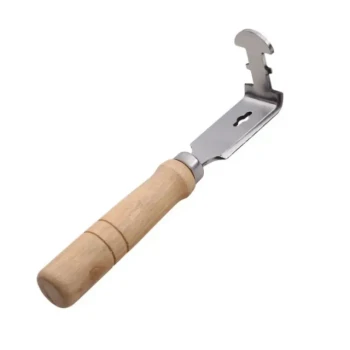
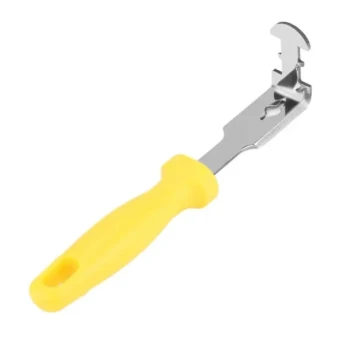
- Stainless Steel J Hook Hive Tool for Beekeeping
- Plastic Bee Frame Beekeeping Hive Frames for Wholesale
People Also Ask
- Do bee frames need foundation? Choose the Right Approach for Your Apiary
- Under what circumstances should bee frames be destroyed? Protect Your Apiary from American Foulbrood
- How should frames be rearranged as a bee colony grows? Master Hive Expansion and Nest Management
- Do you have to wire bee frames? Essential Guide to Frame Strength & Honey Harvesting
- How do you re-wax bee frames? A Simple Guide to Faster Comb Building