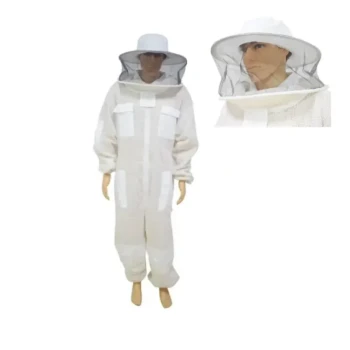
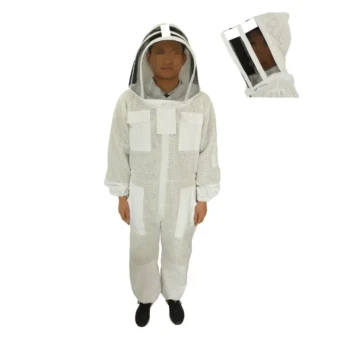
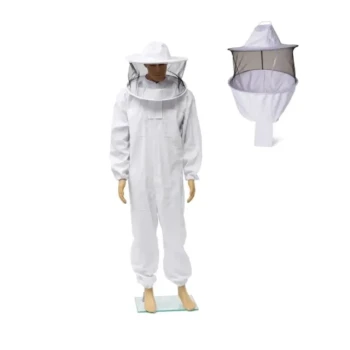
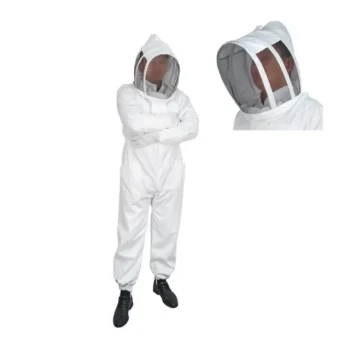
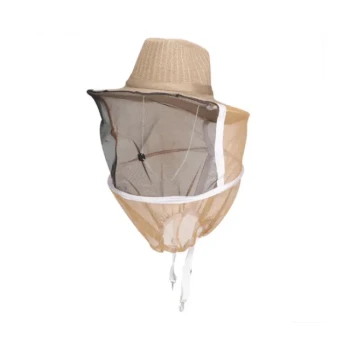
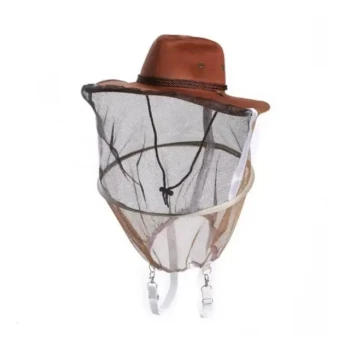
Selecting the right protective gear is the fundamental first step in establishing a safe apiary environment. When evaluating a bee suit, you must prioritize four specific factors: temperature regulation to manage heat in your local climate, color choice to minimize hive aggression, quality of construction for long-term durability, and security features like zippers and elastic seals to prevent bees from entering the suit.
The most effective bee suit balances physical protection with environmental comfort. While sting resistance is vital, a suit that causes overheating or restricts movement can be just as dangerous as one that allows bees to enter.
Evaluating Climate and Material
Managing Heat Stress
In warm or hot climates, heat exhaustion is a genuine risk. If you operate in high temperatures, prioritize an aerated or lightweight suit.
Ventilation Technology
Modern ventilated suits often use layers of polyester or vinyl mesh. This design allows air to circulate while remaining thick enough to prevent stingers from reaching your skin.
Traditional Fabric Density
For cooler climates or budget-conscious buyers, thick cotton or cotton/polyester blends are standard. The fabric must be dense enough that a stinger cannot penetrate it, though these suits offer less breathability than ventilated options.
The Importance of Visual Profile
Why Color Matters
Bees have a natural biological aversion to dark colors, which can trigger defensive behavior.
The Standard Choice
Always choose white or light pastel colors. Avoiding dark clothing is a simple, non-mechanical way to reduce the likelihood of being stung.
Ensuring a Secure Seal
Locking Down Entry Points
The primary goal of the suit is to eliminate gaps. Inspect the elastic quality around the wrists, ankles, and waist. These seals must be snug enough to prevent bees from crawling inside.
Zipper Integrity
Zippers are common failure points. Look for high-quality, durable metal zippers. Ideally, the suit should feature a Velcro flap over the zipper to ensure no small gaps remain.
Essential Anchors
Look for thumb loops attached to the sleeves and stirrups or strong elastic for the feet. These features prevent sleeves and pant legs from riding up and exposing your skin while you work.
Understanding the Trade-offs: Suit vs. Jacket
The Full Suit
A one-piece full suit offers maximum protection from head to toe. It is the superior choice if you have aggressive bees, are new to beekeeping, or have significant anxiety about stings.
The Beekeeping Jacket
A jacket protects only the upper body. It offers greater mobility and is cooler to wear. However, it leaves your legs vulnerable, making it suitable only for experienced beekeepers or quick inspections.
Making the Right Choice for Your Goal
To select the best equipment, match the suit's features to your specific environment and experience level.
- If your primary focus is working in high heat: Invest in a fully ventilated, multi-layered synthetic suit to maximize airflow without compromising sting protection.
- If your primary focus is maximum safety and peace of mind: Choose a full-body coverall with reinforced thumb loops and heavy-duty zippers to ensure a complete, gap-free seal.
- If your primary focus is quick mobility: Opt for a high-quality beekeeping jacket, but ensure you wear thick pants and protective boots to cover your lower body.
Your confidence in the apiary relies on trusting your gear; choose the suit that makes you feel secure enough to move calmly and deliberately.
Summary Table:
| Factor | Key Considerations | Recommended Specification |
|---|---|---|
| Material | Breathability vs. Thickness | Ventilated mesh for heat; heavy cotton for budget |
| Color | Defensive bee behavior | White or light pastel colors only |
| Seals | Preventing bee entry | Snug elastic wrists/ankles and thumb loops |
| Fasteners | Durability and coverage | Heavy-duty metal zippers with Velcro flaps |
| Gear Type | Full Suit vs. Jacket | Full suit for max safety; Jacket for high mobility |
Elevate Your Beekeeping Operation with HONESTBEE
At HONESTBEE, we specialize in empowering commercial apiaries and distributors with premium-grade protective gear and specialized machinery. Whether you are looking to secure your workforce with high-durability ventilated suits or seeking to optimize your production with hive-making and honey-filling technology, we provide the wholesale solutions you need.
Our value to you:
- Comprehensive Wholesale Portfolio: From professional beekeeping tools to essential industry consumables.
- Industrial Machinery: High-efficiency equipment designed for scaling your honey production.
- Cultural Merchandise: Unique honey-themed products to diversify your retail offering.
Ready to scale your business with a trusted equipment partner? Contact us today to discuss your wholesale needs!
Related Products
- Premium Three Layer Ventilated Bee Suit with Round Veil
- Professional Beekeeper Suit with Square Folding Cotton Veil
- Professional Beekeeping Suit for Kids and Girls Childrens Bee Keeper Suit
- Three-Layer Ventilated Beekeeper Suit with Structured Fencing Veil
- Professional Cotton Beekeeper Suit with Round Veil Design for Commercial Apiaries
People Also Ask
- What are the features of a ventilated bee suit? Stay Cool and Protected in Hot Weather
- What is the function of professional protective consumables? Scale Your Apiary with Ventilated Bee Suits
- What should be considered when purchasing a ventilated bee suit? Ensure Maximum Safety and Comfort
- What is the advantage of ventilated bee suits over traditional ones? Stay Cool and Protected with Mesh Technology
- What materials are used in ventilated bee suits? Choose Between 3-Layer Mesh & Foam for Optimal Protection