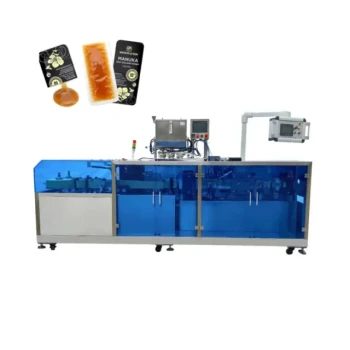
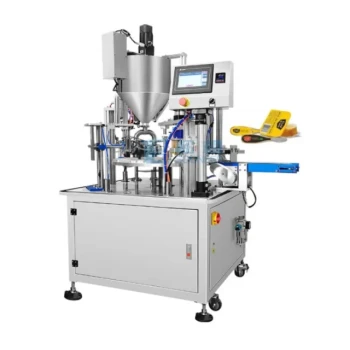
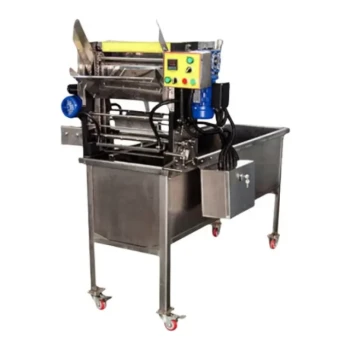
The selection of a honey packaging machine hinges on aligning machinery capabilities with your specific operational requirements. To ensure a return on investment, you must evaluate seven critical factors: production volume, packaging type, machine efficiency, filling precision, versatility, ease of maintenance, and overall cost-effectiveness.
The ideal machine balances raw production speed with the unique physical challenges of handling a viscous product like honey, minimizing downtime for cleaning while maximizing filling accuracy.
Matching Automation to Production Volume
Determining Your Scale
Your current and projected output is the primary driver for this decision. For small-scale operations processing approximately 50 to 200 jars per day, a semi-automatic machine provides a suitable balance of affordability and utility.
High-Volume Capabilities
Conversely, large-scale producers require fully automated systems to maintain profitability. High-speed options, such as multi-lane sachet packers or fully automatic bottling lines, can process hundreds of units per hour with minimal manual intervention.
Managing Viscosity and Hygiene
The Maintenance Challenge
Honey is inherently sticky and viscous, making machinery prone to residue buildup. You must prioritize machines designed with easy-to-remove parts to facilitate quick, thorough cleaning.
Preventing Contamination
A machine that is difficult to clean increases the risk of cross-contamination between batches. Regular maintenance and accessible components are essential for preserving the product integrity and extending the lifespan of the equipment.
Precision and Consistency
Because honey is a high-value product, minimizing waste is critical. Advanced machines offer precise filling measurements to prevent spillage, ensuring you do not overfill containers (losing profit) or underfill them (violating regulations).
Evaluating Versatility and Adaptability
Handling Diverse Containers
If your business utilizes various packaging formats—such as jars, tubes, or sachets—you need a machine capable of adapting to these differences. A versatile machine eliminates the need to purchase separate equipment for every package type.
Future-Proofing Your Line
Consider whether the machine allows for setting adjustments to accommodate different container sizes. Equipment that offers adaptability supports business growth, allowing you to expand your product line without immediate capital reinvestment.
Understanding the Trade-offs
Initial Cost vs. Long-Term Value
While semi-automatic machines offer a lower barrier to entry, they operate slower and require more labor. Initial cost savings must be weighed against the potential for production bottlenecks as your business grows.
Efficiency and Waste Reduction
Automatic machines require a significant upfront investment but often deliver better long-term savings. By increasing speed and minimizing product loss through higher accuracy, these machines can reduce the overall cost per unit over time.
Making the Right Choice for Your Goal
To select the best machine, match the equipment's strengths to your primary business objective.
- If your primary focus is starting small with a limited budget: Opt for a semi-automatic machine, which handles 50-200 jars daily and balances cost with moderate efficiency.
- If your primary focus is maximizing output and speed: Invest in a fully automatic or multi-lane system to process hundreds of units per hour and reduce labor costs.
- If your primary focus is product variety and expansion: Choose a machine with adjustable settings that can handle multiple formats like tubes, jars, and sachets.
The right packaging machine transforms honey production from a manual chore into a streamlined, profitable asset.
Summary Table:
| Key Factor | Consideration | Target Benefit |
|---|---|---|
| Production Scale | Semi-automatic vs. Fully-automatic | Match output to daily/hourly targets |
| Viscosity Handling | Piston or pump systems | Ensure smooth flow of thick, sticky honey |
| Filling Precision | Accurate measurement sensors | Minimize product waste and ensure compliance |
| Maintenance | Tool-less disassembly | Reduce downtime for cleaning and hygiene |
| Versatility | Adjustable settings/tooling | Accommodate various jar, tube, or sachet sizes |
Elevate Your Honey Production with HONESTBEE
Are you ready to transition from manual labor to a streamlined, high-efficiency bottling line? At HONESTBEE, we specialize in providing commercial apiaries and distributors with professional-grade honey-filling machines and complete packaging solutions. Whether you need precise machinery to handle viscous honey or a full-scale automated system to boost your wholesale output, our team is here to help.
Why partner with HONESTBEE?
- Comprehensive Selection: From advanced hive-making equipment to high-speed honey-filling lines.
- Built for Scale: We cater specifically to the needs of growing beekeeping businesses and global distributors.
- Expert Support: We help you select the right consumables and hardware to maximize your ROI.
Contact our honey processing experts today to find the perfect machinery for your operation!
Related Products
- Automatic Single-Dose Snap & Squeeze Honey Sachets Packing Machine
- Fully Automatic Honey Filling Packaging Machine for Processing Line
- Precision Automated Packaging Turntable Honey Spoon Filling Sealing Packing Machine
- Economy Small Honey Filling Machine Honey Bottle Filler Packaging Machine
- Honey Stick Filler Vertical Paste Sachet Packing Machine for Honey Sachets
People Also Ask
- What are the advantages of honey sachet packing machines? Boost Efficiency & Unlock New Markets
- What are the main functions of a honey sachet packing machine? Boost Efficiency with Automated Precision
- How does an industrial-grade honey sachet packaging machine assist beekeepers in accessing public institution markets?
- Why is automated packaging machinery essential for scaling industrial honey production? Drive Commercial Scalability
- Why is it advantageous for apiaries to be located near honey processing centers? Boost Quality and Market Reach