Handling a lit bee smoker demands strict fire discipline. You must never place a lit smoker on a beehive or any surface where it could tip over and spill burning fuel. Furthermore, never leave a lit smoker in an enclosed space—such as a garage, shed, or the cab of a vehicle—and absolutely never transport a lit smoker in the open bed of a truck.
Core Takeaway: The central principle of smoker safety is containment and stability: a lit smoker must always remain on a fire-proof surface, isolated from flammable environments, and properly extinguished or contained in a metal canister during transport.
Managing Placement and Environment
Stability is Paramount
Your primary concern is preventing the smoker from tipping over. Never leave a lit smoker resting on top of a beehive.
If the smoker falls, the lid often pops open, spilling burning fuel onto dry grass or the hive itself. Always place the smoker on stable ground.
Avoid Enclosed Spaces
Do not store or leave a smoldering smoker in enclosed areas like garages, sheds, barns, or inside a house.
The risk of carbon monoxide buildup and accidental ignition of surrounding materials is too high.
The Truck Bed Prohibition
It is critical that you never place a lit smoker in the bed of a truck.
The airflow generated by a moving vehicle acts like a bellows, rapidly fanning the smoldering fuel into a high-intensity fire that can ignite the vehicle or blow sparks onto the roadside.
Handling Heat and Transport
The Exterior Hazard
Be aware that the metal exterior of the smoker can become extremely hot during use.
Exercise caution regarding where you set it down to avoid scorching surfaces or burning yourself.
Safe Transportation
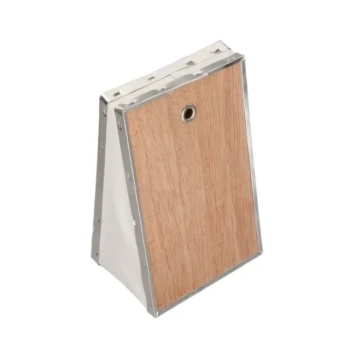
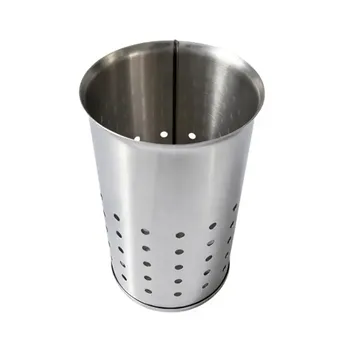
When moving between sites, use a small metal garbage can with a tight-fitting lid.
This restricts oxygen, prevents tipping, and contains any potential sparks or heat. This is the only safe way to transport a smoker that has recently been used.
Fire Suppression Readiness
Always keep fire control tools within reach. Have several gallons of water and potentially a fire broom nearby while working.
In the event of a spill, immediate reaction time is vital to prevent a wildfire.
Understanding the Trade-offs
High Fire Danger
In conditions of extreme fire danger or drought, the safest smoker is no smoker at all.
During these times, trade the traditional smoker for a spray bottle filled with sugar water or essential oils. It distracts the bees without introducing a spark risk.
Ash Disposal
Never dump hot ashes directly onto the ground. You must either bury the ashes completely or wet them down thoroughly.
A pile of discarded "cool" ashes can retain heat and reignite dry vegetation hours later.
Pausing vs. Extinguishing
If taking a break, you can conserve fuel by plugging the spout with a twist of green grass.
However, even when plugged, the smoker is still hot and active. It must be placed on a fire-proof surface, such as inside a metal trash can on concrete or gravel, away from all flammable materials.
Making the Right Choice for Your Goal
To ensure safety without compromising your beekeeping efficiency, follow these guidelines:
- If your primary focus is transport: Use a metal garbage can with a tight lid to contain heat and prevent the smoker from tipping in your vehicle.
- If your primary focus is working in dry conditions: Forego the smoker entirely and use a water spritzer to mitigate fire risk.
- If your primary focus is taking a break: Plug the spout with green grass to conserve fuel, but place the unit on concrete or inside a metal safety can.
Treat your smoker not just as a tool, but as a contained fire that requires constant vigilance until it is cold to the touch.
Summary Table:
| Safety Category | Key Precaution | Recommended Action |
|---|---|---|
| Placement | Prevent Tipping | Always place on stable ground; never on hives or dry grass. |
| Transport | Containment | Use a metal garbage can with a tight-fitting lid for vehicle transport. |
| Environment | Ventilation | Never leave a lit smoker in enclosed spaces like garages or truck cabs. |
| Fire Control | Readiness | Keep water or fire suppression tools nearby at all times. |
| Alternatives | Extreme Drought | Use sugar water sprayers instead of a lit smoker to eliminate fire risk. |
| Extinguishing | Ash Disposal | Bury ashes or wet them down completely; do not dump them on the ground. |
Secure Your Apiary with Professional Tools from HONESTBEE
Safety is the foundation of successful beekeeping. At HONESTBEE, we specialize in supporting commercial apiaries and distributors with high-quality, reliable equipment designed for durability and safety. Whether you need specialized hive-making machinery, precision honey-filling systems, or a complete range of wholesale beekeeping tools and consumables, we have the expertise to scale your operations.
From hardware to honey-themed merchandise, let us provide the comprehensive solutions your business deserves. Contact HONESTBEE today to discuss our wholesale offerings and discover how we can add value to your professional beekeeping enterprise.
Related Products
- Stainless Steel Honey Bee Smoker Hive and Honeycomb Smoker for Beekeeping
- Professional Bee Smoker with Elongated Spout and Durable Bellows for Beekeeping
- Heavy Duty Manual Bee Smoker Blower for Beekeeping
- European Stainless Steel Bee Smoker for Honey Bee Hive
- Premium Traditional Copper Bee Smoker with Bellows
People Also Ask
- What are bee smokers made out of? Choose the Right Material for Your Apiary
- What type of bee smoker is recommended for a beginner? Top Picks for Easy Hive Management
- Why is a stainless steel bee smoker considered indispensable? Master Hive Management with Cool Smoke Technology
- When should you add more fuel to the bee smoker? Watch for This Critical Smoke Signal
- How should a beekeeper use a smoker when approaching a hive? A Guide to Calm, Safe Inspections