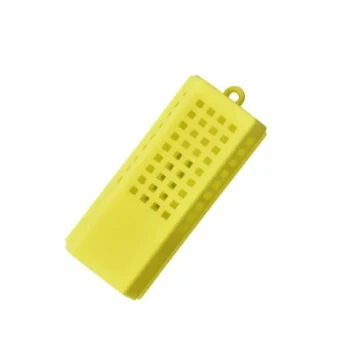
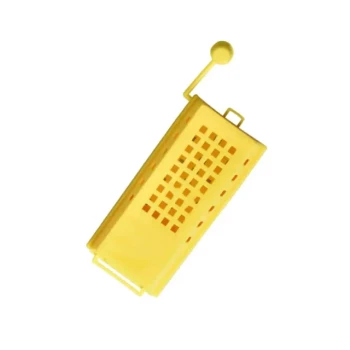
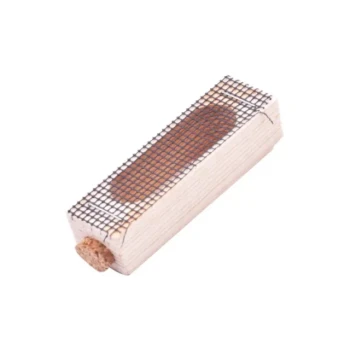
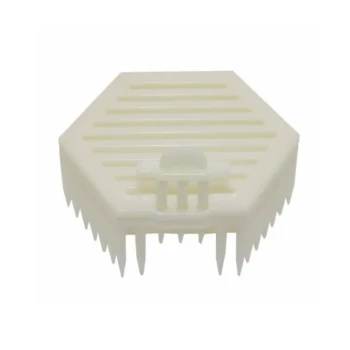
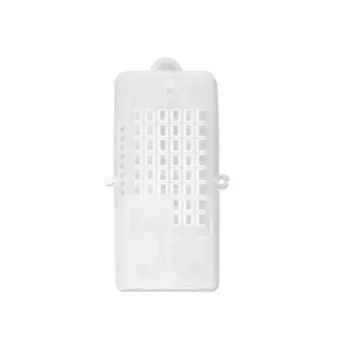
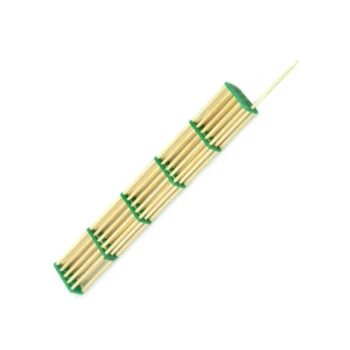
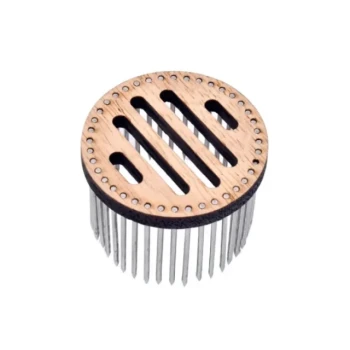
The primary disadvantages of using large brood cages stem from logistical scarcity, procedural complexity, and physical risk to the colony's developing population. Specifically, beekeepers face significant challenges in sourcing the specialized hardware, navigating a multi-step installation process, and avoiding physical damage to unborn brood during the insertion of the cage.
Core Takeaway While large brood cages can be effective tools, they introduce a higher margin for mechanical error than standard introduction methods. The critical trade-off lies between the potential for better queen acceptance and the immediate risk of crushing developing bees or disrupting the hive's core structure during complex installation.
The Logistics of Implementation
Challenges in Hardware Sourcing
One of the immediate hurdles is the difficulty of sourcing specific cage hardware. Unlike standard shipping cages or candy tubes, large brood cages are not universally stocked apiary items.
This scarcity often forces beekeepers to improvise or delay introduction while waiting for specialized equipment. Reliance on niche hardware can create bottlenecks during critical queen management windows.
Operational Complexity
The installation of a large brood cage is not a "drop-and-go" procedure. It involves an increased complexity due to a multi-step installation process.
Beekeepers must clear bees, select the precise area of the comb, and secure the device without gaps. This extended manipulation time disrupts the colony more than standard methods and requires a higher degree of handler skill.
Physical Risks to the Colony
Damage to Unborn Brood
The most significant biological risk is the potential for damaging unborn brood during the insertion of the cage into the hive frame.
To secure the cage, the edges must often be pressed firmly into the wax comb. If this is done over capped or uncapped brood cells, the physical pressure can crush and kill the developing pupae or larvae underneath the rim.
High-Stakes Placement
The risk of brood damage is amplified by the necessity of placing the cage in the center of the brood nest.
Effective introduction requires the queen to be positioned where worker activity is highest—typically between frames 4 and 5 in an 8-frame hive, or frames 5 and 6 in a 10-frame hive. Because you are manipulating the most densely populated and vital area of the hive, any mechanical error during insertion has immediate consequences for the colony's core population.
Understanding the Trade-offs
Precision vs. Invasive Mechanics
Large brood cages offer a controlled environment, but they are inherently invasive. The device physically occupies space meant for comb and bee movement.
By inserting a foreign object into the heart of the brood nest, you risk altering the natural spacing and bee behavior in the short term. This disruption can occasionally trigger stress responses in the colony if the installation is not seamless.
The Cost of Error
The multi-step nature of this method compounds the probability of error. With standard cages, the failure points are few; with large brood cages, improper seating, crushed brood, or poor placement can all lead to introduction failure.
Making the Right Choice for Your Goal
Before opting for a large brood cage, evaluate your resources and technical comfort level.
- If your primary focus is Simplicity and Speed: Avoid large brood cages, as the difficulty in sourcing hardware and the multi-step installation process will slow down your workflow.
- If your primary focus is Brood Safety: Exercise extreme caution or choose alternative methods, as the insertion process poses a direct physical threat to the unborn bees located in the vital center frames.
Select the method that balances your technical proficiency with the safety of the colony's developing population.
Summary Table:
| Disadvantage Category | Key Risks & Challenges | Impact on Colony |
|---|---|---|
| Logistics | Difficulty in sourcing specialized hardware | Potential delays in critical queen management |
| Operational | Multi-step, complex installation process | Higher disruption to hive activity and bee behavior |
| Physical Safety | Risk of crushing pupae/larvae during insertion | Immediate loss of developing brood population |
| Placement | Required manipulation of the hive's core center | High-stakes error margin in the brood nest |
Maximize Your Apiary Productivity with HONESTBEE
Navigating the complexities of queen management requires the right tools and expertise. At HONESTBEE, we specialize in supporting commercial apiaries and distributors by providing a comprehensive range of high-quality beekeeping machinery, professional tools, and essential consumables. Whether you are looking for precision hive-making equipment, honey-filling machines, or specialized hardware to minimize colony risk, we offer the wholesale solutions you need to scale your operations efficiently.
Ready to upgrade your beekeeping equipment? Contact us today to discover how our industry-leading portfolio can streamline your workflow and safeguard your colonies.
Related Products
- Langstroth Honey Bee Box Hive Boxes for Different Depths
- Australian Langstroth Beehive Boxes for Beekeeping Wholesales
- Professional Multi-Compartment Queen Cage with Sliding Lid
- Durable Galvanized Steel Spring Queen Bee Cage
- Assembled Wooden Bee Frames with Plastic Foundation for Durability and Convenience by HONESTBEE
People Also Ask
- What role do standardized Langstroth boxes play in commercial apiary management and honey bee research? | HONESTBEE Guide
- What are the primary advantages of using standardized Langstroth boxes? Scale Your Commercial Beekeeping Operation
- What are the differences between the three standard depths of Langstroth boxes? Choose the Best Size for Your Apiary
- What features of Langstroth hive boxes contribute to expandability and honey yield? Maximize Your Apiary Production
- What are the typical uses for the different box sizes in a Langstroth hive? Master Hive Management & Efficiency