The primary drawbacks of Flow Frame extraction stem from environmental dependencies and the contradiction between the system's "hands-off" promise and the biological reality of beekeeping. Specifically, users face risks of harvesting unripe, fermented honey if they do not manually inspect the hive, and the gravity-fed process is significantly slower and more temperature-sensitive than traditional mechanical extraction.
The core limitation is that to guarantee honey quality, the beekeeper must still open the hive to verify the frames are capped. Skipping this step defeats the system's main purpose and introduces the risk of spoiling the harvest or flooding the hive.
The Paradox of "Non-Invasive" Harvesting
The Necessity of Visual Inspection
The central appeal of Flow Frames is the ability to harvest without opening the hive. However, reliance on this feature is technically flawed.
To ensure honey is ready for harvest, a beekeeper must confirm that the bees have capped the cells with wax. The only way to do this accurately is to physically open the hive and inspect the frames, effectively negating the system's primary convenience advantage.
Risks of Fermentation
If a beekeeper harvests "blindly" without inspection, they risk draining uncapped honey.
Uncapped honey (nectar) has a high water content. If harvested, this moisture leads to rapid fermentation, causing the honey to sour and spoil in the jar.
Internal Hive Flooding
Attempting to harvest uncapped honey poses a physical danger to the colony structure.
Uncapped cells are more prone to leaking internally rather than flowing down the designated tube. This can cause honey to spill into the brood box below, potentially drowning larvae and disrupting the colony.
Environmental and Operational Constraints
Temperature Sensitivity
Unlike traditional extractors that use centrifugal force, Flow Frames rely entirely on gravity.
This makes the process highly dependent on ambient viscosity. The system operates efficiently only in weather warmer than 24 degrees Celsius; below this threshold, the honey may be too thick to drain effectively.
Time Efficiency
The extraction process is passive and slow.
It typically takes 20 to 25 minutes for a single frame to drain. This is significantly longer than the active time required to spin frames in a traditional centrifuge.
Understanding the Trade-offs: Pest Vulnerability
Exposure to Robber Insects
Because the drainage process is slow and occurs externally, the aroma of honey is exposed to the air for extended periods.
Pest Management
The open jars and strong scent can attract wasps, ants, and robber bees from other colonies.
Beekeepers must actively guard the extraction site for the full duration of the drain to prevent these pests from contaminating the harvest or attacking the hive.
Making the Right Choice for Your Goal
While Flow Frames offer a unique approach to harvesting, they are not a "set and forget" solution.
- If your primary focus is honey quality: You must commit to opening the hive to verify capping percentages before turning the key, treating the Flow mechanism only as a drainage tool, not an inspection replacement.
- If your primary focus is speed and volume: You may find the 20-minute-per-frame gravity drain restrictive compared to the rapid throughput of traditional centrifugal extractors.
- If your primary focus is minimizing disturbance: You must balance the benefit of non-invasive draining against the risk of internal flooding if inspection is skipped.
Success with this system requires acknowledging that while the extraction method has changed, the biological requirements of honey maturity remain the same.
Summary Table:
| Drawback Category | Primary Issue | Impact on Beekeeping |
|---|---|---|
| Honey Quality | Unripe Honey/Fermentation | Risk of spoiled, sour honey due to harvesting uncapped cells. |
| Operational | Gravity-Fed Speed | Slow extraction (20-25 mins/frame); highly temperature dependent (>24°C). |
| Hive Safety | Internal Flooding | Potential for honey to leak into the brood box, harming larvae. |
| Pest Control | Robber Bee Attraction | Long external drainage times attract ants, wasps, and robber bees. |
| Maintenance | Mandatory Inspection | Negates 'hands-off' claim; beekeepers must still manually check for capping. |
Maximize Your Harvest Efficiency with HONESTBEE
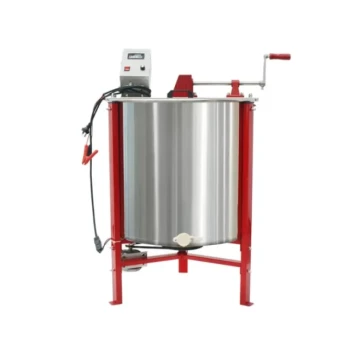
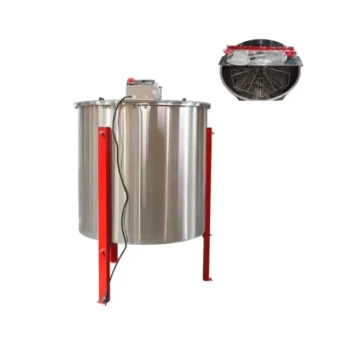
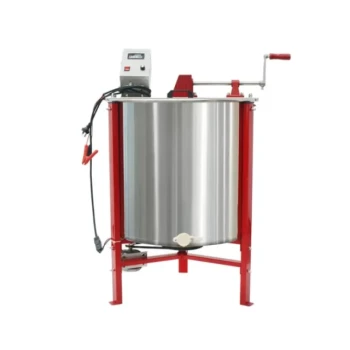
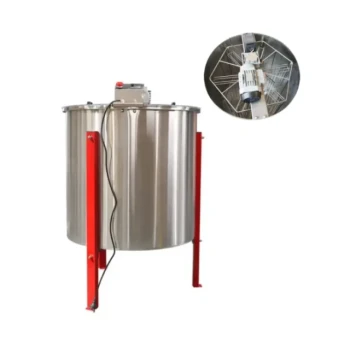
Transitioning from hobbyist tools to professional-grade efficiency? At HONESTBEE, we understand the limitations of passive extraction systems. We provide commercial apiaries and distributors with high-performance centrifugal honey extractors, honey-filling machines, and a complete range of beekeeping tools designed for speed and reliability.
Whether you need robust machinery or essential industry consumables, our comprehensive wholesale offering ensures your operation remains productive regardless of the weather. Contact us today to scale your apiary with the industry's most dependable equipment!
Related Products
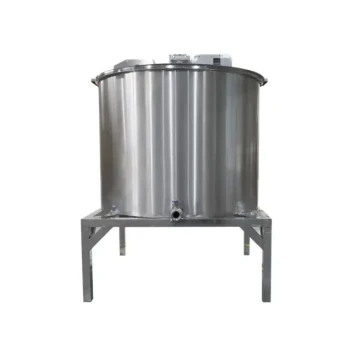
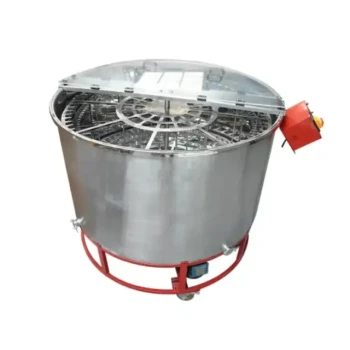
- 32 Frame Commercial Electric Honey Extractor for Beekeeping and Honey Production
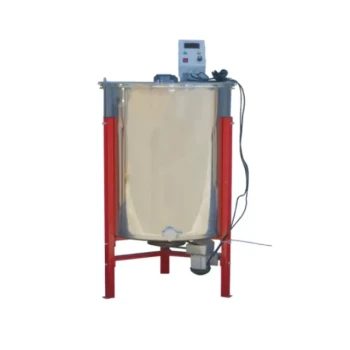
- electric honey extractor honey centrifuge 3 frame honey extractor stainless steel honey frame extractor
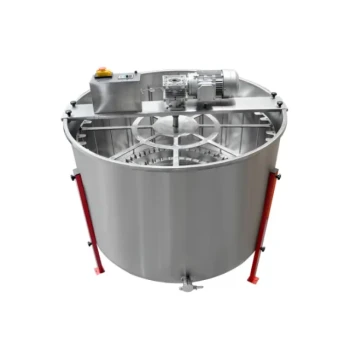
- HONESTBEE 72 Frame Industrial Electric Honey Extractor for Beekeeping
- Commercial Electric 12 Frame Honey Extractor Spinner Motorized Honey Extractor
- Electric 4 Frame Tangential Honey Extractor
People Also Ask
- What are commercial honey extractors used for? Boost Your Apiary's Efficiency & Profitability
- What is a commercial honey extractor? The Essential High-Volume Solution for Large Apiaries
- Who are commercial honey extractors designed for? Scaling Your Industrial Beekeeping Success
- How is honey extracted commercially? Maximize Your Apiary's Efficiency and Honey Yield
- What are commercial honey extractors and for what scale of beekeeping are they intended? Scale Your 200+ Colony Apiary