The primary risks of marking a queen bee are accidental physical injury, rejection by the colony due to foreign scents or improper paint application, and the queen fleeing the hive. These risks can be effectively mitigated by utilizing proper immobilization tools, ensuring the paint dries completely before release, and strictly limiting the mark to the center of the thorax.
Successful queen marking relies less on steady hands and more on patience and preparation. The most significant danger is not the paint itself, but the potential for human error during the capture and handling process.
Mitigating Physical Injury
The Risk of Crushing
The most significant risk identified is accidentally crushing the queen. This typically occurs during the capture or immobilization process when manual pressure is applied incorrectly.
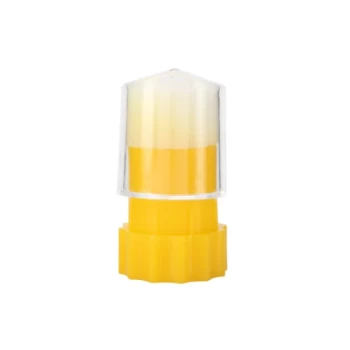
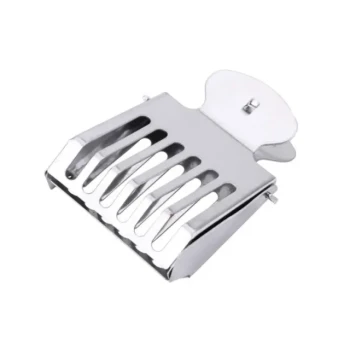
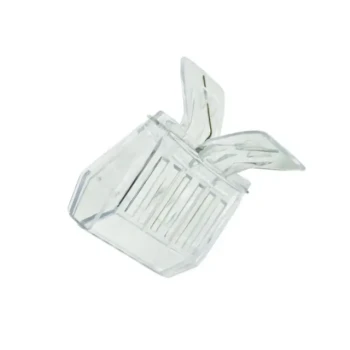
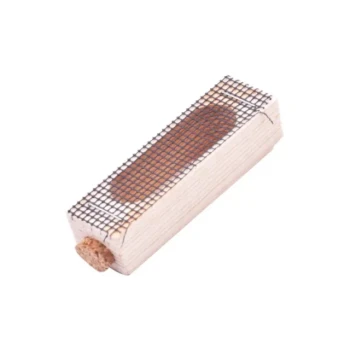
To mitigate this, avoid handling the queen directly if you are inexperienced. Use plastic 'piston' devices with foam plungers or one-handed catch cages. These tools gently immobilize the queen against a soft surface, removing the variable of finger pressure.
Gaining Confidence Through Practice
Nervous handling increases the likelihood of injury. Before attempting to mark a queen, practice on drones. Drones are larger, do not sting, and are expendable to the colony. Mastering the technique on drones builds the muscle memory required to handle the queen safely.
Preventing Colony Rejection
Critical Paint Placement
If paint touches the queen’s antennae, eyes, or wings, the colony may perceive her as damaged or foreign and reject her. This often leads to "balling," where workers surround and overheat the queen to kill her.
You must ensure the paint is applied only to the top center of the thorax. This area is safe and highly visible. Using a precise applicator, such as a water-based pen, reduces the chance of the paint spreading to sensitive sensory organs.
Managing Scent and Drying Time
Workers rely heavily on scent. A wet paint smell can mask the queen's pheromones or introduce a foreign odor that triggers aggression.
To prevent this, hold the queen gently (or keep her in the plunger) for 30 seconds to one minute after marking. This allows the paint to dry and the solvent smell to dissipate. Water-based pens are generally safer regarding odor than strong enamels.
Managing Queen Flight
Understanding Flight Behavior
There is a small risk the queen may fly away during the process. However, mated queens are generally heavy and reluctant fliers. They are unlikely to soar high or far.
Recovery Protocol
If the queen does fly off, do not panic. Scan the ground nearby, as she often lands within a few feet of the hive. If she is not immediately visible, leave the hive open and the area undisturbed for a few minutes; she will often return to the colony on her own.
Understanding the Trade-offs
While marking provides immense value—such as tracking queen age, identifying supersedure, and speeding up inspections—it introduces a moment of high vulnerability.
The trade-off is clear: you accept a momentary risk of harming the queen to secure long-term colony management efficiency. If you attempt to mark a queen without the proper tools or patience, you risk killing the colony's only reproductive source. However, leaving a queen unmarked makes it difficult to determine if a colony has swarmed or replaced her naturally.
Making the Right Choice for Your Goal
Whether you choose to mark your queen depends on your experience level and management goals.
- If your primary focus is safety: Utilize a plunger cage to immobilize the queen rather than your fingers, and use a water-based marker to minimize odor.
- If your primary focus is colony data: Use the international color code for the current year to instantly verify the queen's age and confirm she has not been superseded.
- If your primary focus is swarm control: Mark the queen to make her instantly visible among thousands of workers, significantly reducing the time the hive is open during inspections.
By prioritizing patience and using the correct tools, you transform a risky procedure into a routine asset for your apiary.
Summary Table:
| Potential Risk | Mitigation Strategy | Recommended Tools/Materials |
|---|---|---|
| Physical Injury (Crushing) | Use immobilization devices; practice handling on drones first. | Foam-plunger marking cages, one-handed catchers. |
| Colony Rejection (Balling) | Apply paint only to the center thorax; allow 30-60s drying time. | Water-based marking pens (low odor). |
| Sensory Damage | Avoid eyes, antennae, and wings; use precise applicators. | Fine-tip markers or paint pens. |
| Queen Flight | Handle low over the hive; stay calm if she takes flight. | International color code guide for quick ID. |
Elevate Your Apiary Operations with HONESTBEE
Protect your colony's most valuable asset with the right tools. At HONESTBEE, we specialize in supporting commercial apiaries and distributors with a comprehensive wholesale selection of professional beekeeping equipment. From precision queen marking tools and hive-making machinery to honey-filling systems and essential consumables, we provide everything you need to scale your business and ensure colony health.
Ready to upgrade your beekeeping toolkit? Contact us today to explore our full spectrum of hardware and specialized supplies designed for industry success!
Related Products
- Queen Bee Marking Pen POSCA Queen Marking Pens for Beekeeping Bee Markers
- Plastic Long Marker Device for Catching and Marking Bees Queen Bee Marking Tube and Cage
- Queen Bee Marking Tube Cage Bottle Catcher Holder with Clear Plastic Plunger Marker
- One Hand Yellow Queen Marking Catcher Tube Cage Beekeeper Tool Accessory for Queen Bee
- Queen Bee Marking Pen UNI Medium Point for Queen and Bee Marking
People Also Ask
- What role do specialized marking pens and color-coding systems play in honeybee tracking? Enhance Research Precision
- Why are specialized marking pens used for stingless bee queens? Essential Tools for Large-Scale Breeding Success
- How should a new paint pen be primed before marking a queen bee? Essential Tips for Safe & Clear Markings
- How should a queen bee marking pen tip be properly primed? Master the Art of Safe Queen Marking
- What specifications are required for a high-quality queen bee marking pen? Ensure Safety and Precision for Your Colony