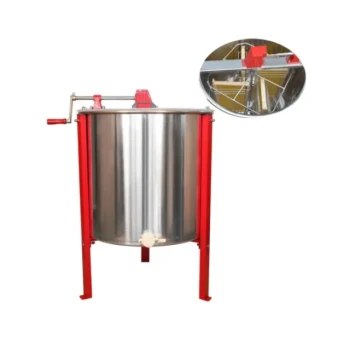
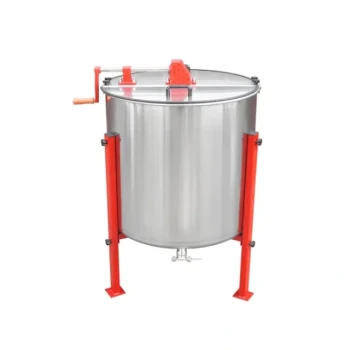
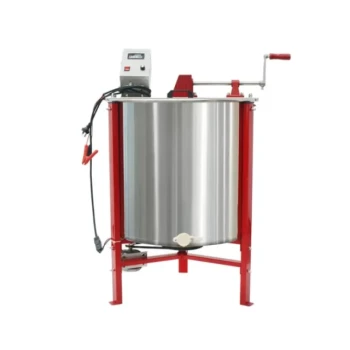
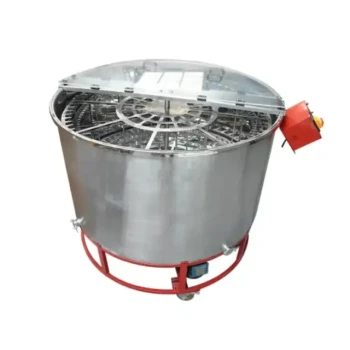
The primary advantages of a manual honey extractor center on its cost-effectiveness and operational simplicity. Designed specifically for beginning beekeepers or those managing a small number of frames, these devices offer a low barrier to entry without the expense or technical complexity of motorized systems.
Manual extractors represent the ideal entry point for hobbyists managing fewer than 10 hives. They balance affordability with precise mechanical control, allowing for high-quality extraction without requiring electricity.
The Practical Benefits for Hobbyists
Superior Cost-Efficiency
For those just starting in beekeeping, the initial investment can be steep. Manual extractors are significantly less expensive than electric models, making them the preferred choice for beginners.
Simplicity of Design
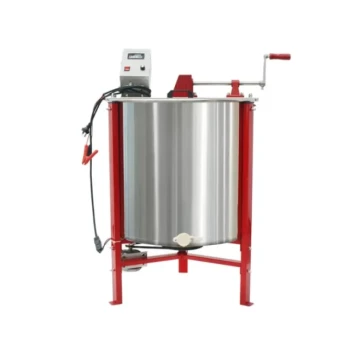
These units avoid complex technology, relying instead on straightforward mechanical principles. Whether you choose a model with a side crank or a top crank, the setup is intuitive and requires minimal technical knowledge.
Material Versatility
Manual extractors are available in various constructions to suit different budgets and durability needs. You can select from robust stainless steel models or lighter, more affordable plastic versions.
Precision and Preservation
Absolute Control Over Speed
One of the most distinct advantages of a manual unit is the tactile feedback it provides. You have full control over the spinning speed and direction via the hand crank.
Preventing Comb Damage
Because you control the momentum, you can ensure a gentle extraction process. This reduces the risk of "blowing out" or damaging fragile wax combs, which is critical if you plan to reuse the drawn comb in the hive.
A Tactile Connection
Using a manual extractor fosters a deeper connection to your practice. The hands-on nature of the crank allows you to be intimately involved in the harvest, offering a rewarding experience that automated systems cannot replicate.
Versatility and Independence
Off-Grid Capability
Since manual extractors do not require a power source, they offer total independence. You can extract honey in the field, in a barn, or in remote off-grid locations where electricity is unavailable.
Portability and Storage
Without a heavy motor, these units are generally lighter and more portable. They are often easier to disassemble, clean, and store during the off-season.
Quiet Operation
Manual extraction is significantly quieter than using motorized equivalents. This allows for a more peaceful harvesting environment, which many hobbyists appreciate.
Understanding the Trade-offs
Physical Exertion
The primary downside is the physical effort required. Cranking by hand can become physically demanding, particularly if the honey is thick or cold.
Capacity Limitations
While excellent for small operations, manual extraction is time-consuming. It is generally not efficient for beekeepers managing more than 10 hives, where the volume of frames would make manual cranking impractical.
Making the Right Choice for Your Goal
If you are evaluating whether a manual extractor fits your apiary, consider your specific objectives:
- If your primary focus is budget: The manual extractor is the most affordable way to harvest liquid honey without destroying your combs.
- If your primary focus is comb preservation: The manual crank gives you the sensitivity needed to spin frames gently without breakage.
- If your primary focus is location flexibility: The lack of power cords allows you to set up your extraction station anywhere, regardless of electrical access.
For the small-scale beekeeper, the manual extractor is not just a tool, but a reliable partner that ensures a high-quality harvest through simple, controlled mechanics.
Summary Table:
| Feature | Advantage | Ideal Use Case |
|---|---|---|
| Cost | Low initial investment | Beginners & Hobbyists |
| Power | No electricity required | Off-grid & Remote locations |
| Control | Tactile speed adjustment | Fragile or fresh wax combs |
| Maintenance | Simple mechanical design | Long-term use with easy cleaning |
| Portability | Lightweight and compact | Small workshops or field use |
Elevate Your Beekeeping Business with HONESTBEE
At HONESTBEE, we understand the unique needs of commercial apiaries and distributors. Whether you are scaling up from manual tools to industrial machinery or looking to stock high-quality beekeeping equipment for your retail customers, we provide the comprehensive wholesale solutions you need.
Our portfolio includes:
- Advanced Machinery: From hive-making to honey-filling machines.
- Full-Spectrum Tools: A wide array of essential beekeeping hardware and consumables.
- Cultural Merchandise: Unique honey-themed products to diversify your brand.
Partner with us for reliable supply, competitive wholesale pricing, and industry-leading equipment. Contact us today to discuss how we can support your growth and bring superior value to your apiary operations.
Related Products
- Stainless Steel 3 Frame Manual Honey Extractor Spinner for Bee Honey Extraction
- HONESTBEE 3-Frame Manual Acrylic Honey Extractor
- HONESTBEE 4 Frame Manual Self Reversing Honey Extractor for Beekeeping
- Stainless Steel Manual 8 Frame Radial Honey Extractor Machine for Beehives
- 2 Frame Stainless Steel Manual Honey Spinner Extractor for Beekeeping
People Also Ask
- Which type of honey extractor is generally more durable? Focus on Material & Build Quality for Longevity
- What are the disadvantages of a manual honey extractor? Overcome Efficiency Bottlenecks in Your Apiary
- What is a manual honey extractor? The Essential Guide to Cost-Effective Beekeeping for Beginners
- Why are manual extractors popular among beginner beekeepers? A Guide to Starting Simple & Saving Money
- Can manual honey extractors effectively remove honey from cells? A Guide for Small-Scale Beekeepers