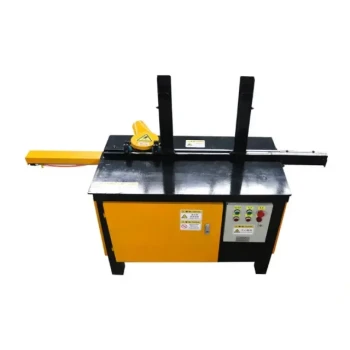
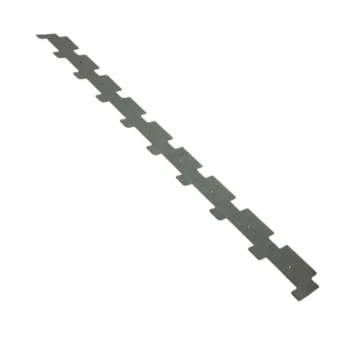
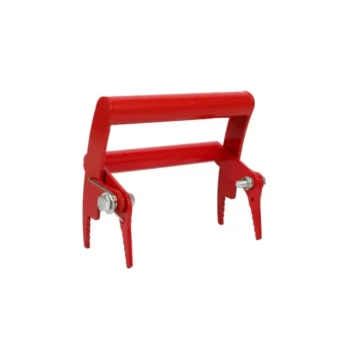
The grafting frame serves as the structural backbone of scalable queen bee production. It is a specialized chassis designed to organize and secure multiple artificial queen cell cups into a single, uniform arrangement. By holding these cups in a fixed position, the frame allows beekeepers to transfer dozens of grafted larvae into a nursing colony simultaneously, ensuring efficient management and stable protection during the critical developmental window.
Core Insight: While grafting tools are responsible for the delicate transfer of individual larvae, the grafting frame provides the necessary infrastructure for mass production. It transforms queen rearing from a manual, cell-by-cell task into a streamlined workflow by guaranteeing uniform environmental conditions for every developing queen.
Optimizing Hive Management
Centralized Organization
The primary logistical function of the grafting frame is to act as a stable fixed substrate. Instead of managing individual queen cells scattered throughout a hive, the frame consolidates them into a single unit. This allows the beekeeper to insert or remove an entire batch of developing queens in one motion without disturbing the rest of the hive structure.
Securing the Cell Cups
The frame is specifically designed to hold artificial cups securely. This rigidity prevents the cells from shifting, falling, or being built into irregular comb by the bees. Stability is paramount; if a cell shifts or vibrates excessively, the developing larva can be damaged or rejected by the nurse bees.
Ensuring Biological Consistency
Facilitating Uniform Feeding
By arranging the cell cups in a spaced, organized manner, the grafting frame ensures that nurse bees have 360-degree access to every cell. This accessibility allows the colony to deposit royal jelly evenly across all cups. Without the organized spacing provided by the frame, some larvae might receive insufficient nutrition, leading to lower-quality queens.
Regulating Temperature
Honey bee larvae are extremely sensitive to temperature fluctuations. The grafting frame holds the queen cells in the optimal position within the hive—typically in the center of the brood nest. This positioning ensures that the cluster of worker bees can maintain a consistent incubation temperature for every cell on the bar.
Understanding the Trade-offs
The Distinction Between Frame and Tool
It is critical not to confuse the grafting frame with grafting tools (such as needles or shovels).
- The Tool: Used for the microscopic precision of moving a <24-hour-old larva from a worker cell to a cup without damaging its epidermis.
- The Frame: The passive support structure that holds the cup after the transfer is complete.
Dependency on Colony Strength
While the frame enables high-volume production, it acts as a double-edged sword if the colony is weak. Concentrating dozens of queen cells on a single frame creates a high demand for resources in a small area. If the nursing colony lacks a sufficient population of nurse bees, the "uniformity" provided by the frame will fail, resulting in malnourished queens across the entire batch.
Making the Right Choice for Your Goal
To maximize the utility of a grafting frame, align its usage with your specific apiary objectives:
- If your primary focus is Commercial Scalability: Utilize the frame's capacity to transfer dozens of cells simultaneously to synchronize hatching dates and streamline your workflow.
- If your primary focus is Queen Quality: Focus on the frame's role as a spacing tool to ensure every cell has ample room for nurse bees to regulate temperature and provide heavy feeding.
The grafting frame effectively bridges the gap between the delicate art of larval transfer and the biological power of the colony.
Summary Table:
| Key Function | Primary Benefit | Role in Workflow |
|---|---|---|
| Centralized Organization | Streamlined Logistics | Enables batch management of dozens of queen cells simultaneously. |
| Secure Cell Placement | Larval Protection | Prevents shifting or damage to developing larvae during hive movement. |
| Uniform Spacing | Nutritional Consistency | Ensures nurse bees have 360-degree access for even royal jelly deposit. |
| Thermal Regulation | Optimal Incubation | Positions cells in the brood nest's center for stable temperature. |
| Scalable Chassis | Operational Efficiency | Bridges the gap between individual grafting and mass queen production. |
Boost Your Apiary’s Productivity with HONESTBEE
At HONESTBEE, we specialize in empowering commercial apiaries and distributors with the professional tools needed for high-yield queen rearing. From precision grafting frames to advanced hive-making and honey-filling machinery, our comprehensive wholesale offering is designed to scale your operations and improve queen quality.
Whether you are looking for specialized hardware or essential industry consumables, our team is ready to provide you with expert solutions tailored to your business needs.
Ready to elevate your beekeeping production?
Contact HONESTBEE today to explore our full spectrum of equipment!
References
- Anisha Poudel, Bhawana Aryal. Effect of Queen Cell Cup Types on Graft Acceptance And Queen Bee Emergence in Apis mellifera L.. DOI: 10.3126/jpps.v9i2.85021
This article is also based on technical information from HonestBee Knowledge Base .
Related Products
- Wooden Bee Hive Frames for Beekeeping and Wholesale
- Plastic Bee Frame Beekeeping Hive Frames for Wholesale
- Assembled Wooden Bee Frames with Beeswax Foundation Ready to Use by HONESTBEE
- Assembled Wooden Bee Frames with Plastic Foundation for Durability and Convenience by HONESTBEE
- HONESTBEE Bee Frame Grooving Machine | Precision Slotting for Bee Frame Making
People Also Ask
- How does balancing the number of frames impact hive productivity? Optimize Your Apiary's Biological Output
- How do wooden and plastic hive frames compare in terms of durability? Wood vs. Plastic Longevity & Repairability
- What are the main considerations when choosing between wooden and plastic bee hive frames? Optimize Your Apiary's Efficiency
- How should beehive frames be maintained to prolong their lifespan? 5 Pro Tips for Durable Beekeeping Equipment
- Can I reuse old beehive frames? Save Money and Boost Hive Productivity