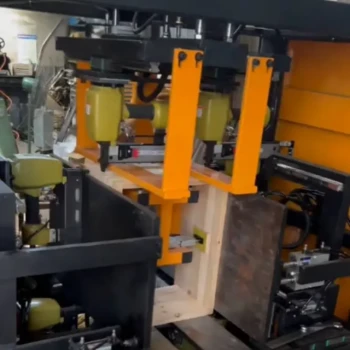
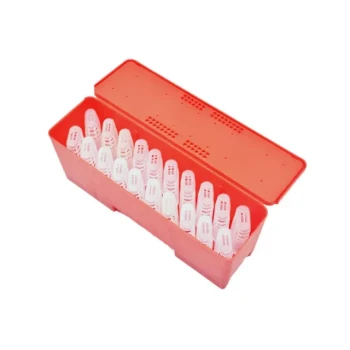
The specialized hive-box functions as a calibrated energy-saving device designed to optimize the biological efficiency of a stingless bee colony. Its primary technical purpose is to provide specific internal volume and thermal insulation, which drastically reduces the workload on the bees. By stabilizing the internal environment, the box minimizes the need for the colony to construct defensive wax and resin barriers, known as batumen walls.
By effectively managing the colony's physical environment, the hive-box acts as an infrastructure tool that converts saved energy into productivity. Instead of exhausting resources on construction and temperature regulation, the colony can redirect that energy toward reproduction and honey storage.
Energy Conservation and Resource Allocation
The most critical function of a specialized hive-box is to alter how the colony utilizes its metabolic energy.
Reducing Structural Overhead
In a natural setting, stingless bees must expend significant resources collecting resin and wax to build batumen walls. These structures seal gaps and regularize the internal volume of a nesting site.
Minimizing Batumen Production
A precisely engineered hive-box provides an ideal internal volume immediately. This eliminates the need for the bees to narrow the space manually, saving the colony from the energy-intensive process of batumen construction.
Redirection to Productivity
When the burden of construction is lifted, the colony’s resources are freed up. This surplus energy is immediately channeled into faster brood reproduction and increased accumulation of honey stores.
Environmental Control and Protection
Beyond energy savings, the hive-box serves as a protective shell that simulates and improves upon natural nesting conditions.
Simulating Natural Habitats
Stingless bees naturally prefer tree hollows or bamboo segments. Specialized hive-boxes mimic these enclosed, secure environments, reducing the stress associated with finding or adapting a new nesting site.
Thermal Regulation
Stingless bees thrive at an optimal temperature of approximately 26°C. The materials and construction of the hive-box provide the insulation necessary to maintain this stability, protecting the colony from extreme external fluctuations.
Predator Defense
High-precision manufacturing ensures tight sealing. This acts as a primary defense mechanism, physically barring the intrusion of natural enemies and predators that often exploit gaps in natural nests.
Operational Efficiency for Beekeepers
For the apiculturist, the hive-box transforms a wild colony into a manageable agricultural unit.
Non-Destructive Harvesting
Specialized designs allow for the hygienic collection of honey and pollen. Crucially, this can be done without damaging the core colony structure or the brood, ensuring the hive recovers quickly after harvest.
Facilitating Colony Division
Internal structures often feature functional partitioning. This design simplifies the complex process of splitting colonies for reproduction, making it easier to increase the population and restore indigenous bee numbers.
Standardization for Scalability
Standardized dimensions (such as 30 x 25 x 15 cm) allow for systematic observation. In large-scale operations, this uniformity is essential for establishing pesticide-free production chains and ensuring product traceability.
Understanding the Trade-offs
While specialized hive-boxes offer immense benefits, they are not a "set and forget" solution.
The Precision Requirement
The benefits of the hive-box rely entirely on precise manufacturing. If the box does not seal correctly or the dimensions are inaccurate, the bees will revert to wasting energy on sealing gaps, negating the primary advantage of the box.
Environmental Vulnerability
Wooden hive-boxes are susceptible to ground moisture and pests if placed directly on the soil. They require specialized bases to elevate the structure, preventing rot and reducing the risk of ground-dwelling invasions.
Making the Right Choice for Your Goal
The design and implementation of your hive-boxes should align with your specific objectives in apiculture.
- If your primary focus is maximum honey production: Prioritize hive designs that facilitate easy, non-destructive access to storage pots to minimize colony stress during harvest.
- If your primary focus is colony multiplication: Select hives with internal partitioning that mimics multi-layered natural structures to simplify the splitting process.
- If your primary focus is conservation: Ensure the thermal insulation properties are maximized to support colony survival in fluctuating climates.
The specialized hive-box is less of a container and more of a biological lever that shifts the colony's focus from survival to expansion.
Summary Table:
| Key Function | Primary Benefit | Technical Impact |
|---|---|---|
| Energy Conservation | Redirection of resources | Minimizes batumen production, increasing honey stores and brood reproduction. |
| Thermal Regulation | Environmental stability | Maintains optimal 26°C internal temperature regardless of external fluctuations. |
| Predator Defense | Colony security | High-precision sealing physically bars the intrusion of natural enemies. |
| Operational Design | Scalability & Harvest | Facilitates non-destructive honey collection and simplified colony division. |
Maximize Your Apiary’s Potential with HONESTBEE
Are you looking to scale your stingless bee operation? HONESTBEE provides professional-grade beekeeping tools and machinery designed specifically for commercial apiaries and distributors. From high-precision hive-making equipment to honey-filling machines and essential consumables, our comprehensive wholesale solutions empower you to convert colony energy into measurable productivity.
Our value to you:
- Specialized Hardware: Advanced machinery for efficient hive construction and processing.
- Complete Supply Chain: A full spectrum of beekeeping tools and industry consumables.
- Global Distribution Support: Tailored offerings for wholesale partners and large-scale operations.
Contact HONESTBEE today to streamline your production and enhance your apiary’s efficiency!
References
- Natasha Fijn, Marcus Baynes‐Rock. A Social Ecology of Stingless Bees. DOI: 10.1007/s10745-018-9983-0
This article is also based on technical information from HonestBee Knowledge Base .
Related Products
- Australian Langstroth Beehive Boxes for Beekeeping Wholesales
- Langstroth Honey Bee Box Hive Boxes for Different Depths
- High-Performance Langstroth Bee Hives for Global Professional Beekeeping
- Automatic High-Speed Bee Hive Box Stapling Machine
- Portable Bee Mating Hive Boxes Mini Mating Nucs 8 Frames for Queen Rearing
People Also Ask
- What are the primary advantages of using standardized Langstroth boxes? Scale Your Commercial Beekeeping Operation
- What are the differences between the three standard depths of Langstroth boxes? Choose the Best Size for Your Apiary
- What role do standardized Langstroth boxes play in commercial apiary management and honey bee research? | HONESTBEE Guide
- How many beehive boxes are needed when starting a new hive? A Guide to Proper Hive Setup
- What are the disadvantages of using a combination of deep and medium boxes? Avoid Costly Incompatibility Issues