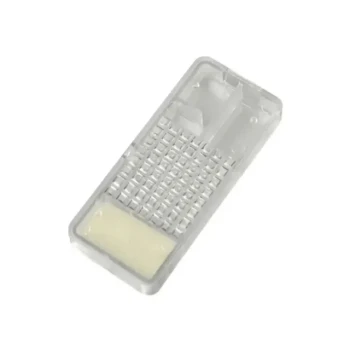
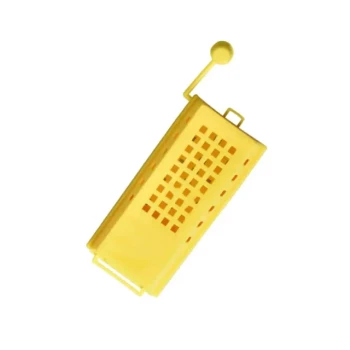
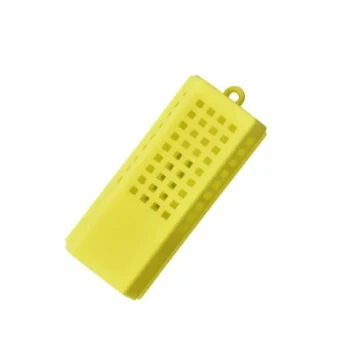
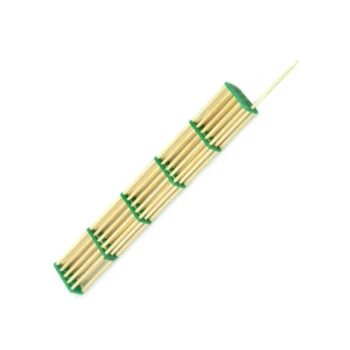
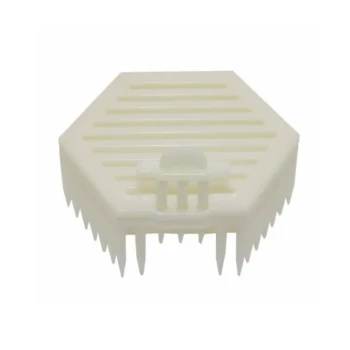
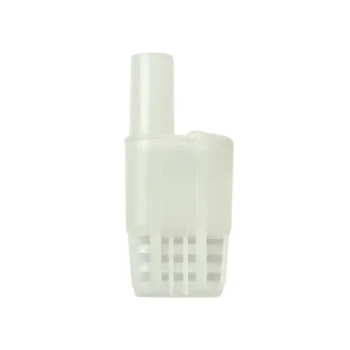
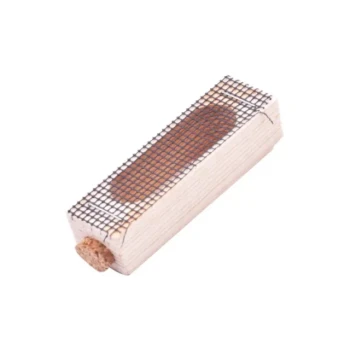
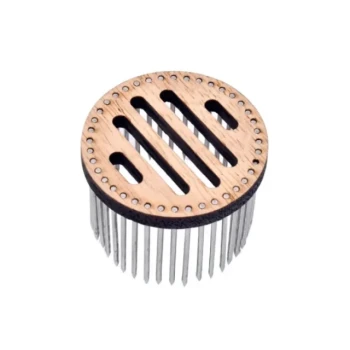
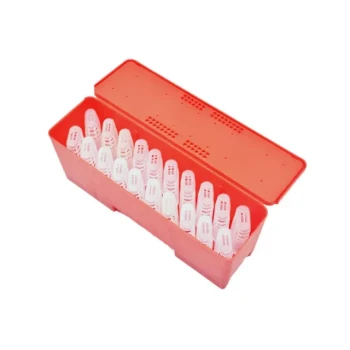
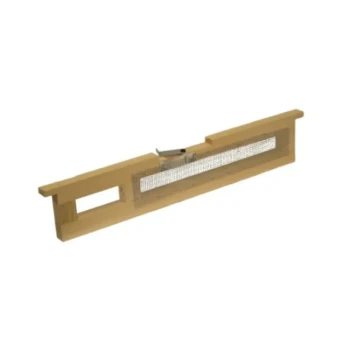
The Titov queen cage serves primarily as a protective isolation unit used to manage the delicate transition phases of artificial queen rearing and colony splitting. It functions as a safeguard that allows beekeepers to harvest multiple virgin queens simultaneously without the risk of lethal rivalry, while also providing a mechanism for safe introduction into new hives.
Core Takeaway The Titov cage solves the problem of "survival of the fittest" in queen rearing by physically isolating emerging queens to prevent them from killing one another. It simultaneously acts as a life-support vessel, holding essential nutrition to maintain the queen’s vitality until she is successfully accepted by a new colony.
The Functions of Protection and Preservation
The Titov cage is engineered to manage the specific risks associated with queen emergence and early life.
Preventing Lethal Rivalry
In a natural setting, the first virgin queen to emerge will instinctively seek out and destroy other queen cells or fighting rivals. The Titov cage neutralizes this instinct.
By placing the cage over the queen cell or confining the queen immediately upon emergence, the device prevents direct physical contact between queens. This ensures that a batch of reared queens can all survive emergence, maximizing the beekeeper's yield.
Sustaining Physiological Vitality
A newly emerged queen is vulnerable and requires immediate sustenance. The base of the Titov cage is designed to hold emergency feed.
This reservoir, typically filled with honey or sugar candy, ensures the queen has immediate access to high-energy food. This prevents starvation and maintains her physical strength during the stressful period between emergence and her eventual release into a mating nucleus or colony.
The Role in Colony Introduction
Beyond simple storage, the Titov cage is a critical tool for integrating a queen into a new social environment.
Safe Pheromone Acclimatization
Introducing a strange queen directly into a hive often results in "balling," where workers attack and kill the intruder. The cage provides a physical barrier against aggression.
While the queen is protected inside the mesh or walls of the cage, her pheromones slowly disperse into the hive. This allows the worker bees to recognize and accept her scent as the colony's new signature without being able to harm her.
The Feed as a Buffer
The food located at the base of the cage serves a dual purpose during introduction. While it feeds the queen, it also distracts and engages the worker bees.
As workers attempt to access the candy or honey, their aggression is often redirected into feeding behavior. This interaction helps facilitate a smoother transition from rejection to acceptance.
Understanding the Trade-offs
While the Titov cage is highly effective for rearing and introduction, it is important to understand its limitations compared to other methods.
Confinement vs. Laying Capability
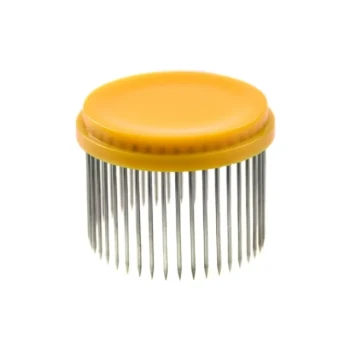
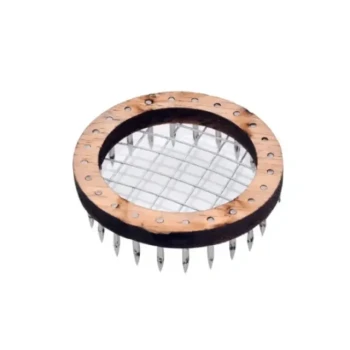
The Titov cage is a containment device, not a pasture. Unlike "push-in" cages that cover a patch of comb, the Titov cage prevents the queen from laying eggs.
Because the queen cannot lay while caged, her ovaries may remain inactive until release. This can result in a slight delay in brood production compared to methods that allow the queen to lay immediately upon introduction.
Short-Term Use Only
The feed reservoir in a Titov cage is intended for emergency or transitional use.
It does not hold enough volume for long-distance shipping or extended banking (storage) of queens. Queens held in these cages must be monitored closely and introduced to their target colonies relatively quickly to prevent stress or starvation.
Making the Right Choice for Your Goal
The Titov cage is a specialized tool that excels in specific apiary management scenarios.
- If your primary focus is maximizing queen yield: Use the Titov cage to isolate queen cells before hatching, ensuring that the first queen to emerge does not kill the rest of your stock.
- If your primary focus is colony splitting: Use the Titov cage to introduce the new queen, allowing 2-3 days for the colony to acclimate to her pheromones while she remains protected from worker aggression.
Success with the Titov cage relies on using it as a temporary bridge, ensuring the queen's safety only until the colony is ready to accept her.
Summary Table:
| Feature | Primary Function | Key Benefit |
|---|---|---|
| Physical Isolation | Prevents lethal rivalry | Maximizes yield by protecting emerging queens |
| Feed Reservoir | Provides immediate nutrition | Sustains physiological vitality during transition |
| Mesh Barrier | Pheromone acclimatization | Reduces worker aggression and prevents "balling" |
| Compact Design | Temporary containment | Simplifies queen harvesting and colony splitting |
Scale Your Apiary Operations with HONESTBEE
At HONESTBEE, we understand that successful queen rearing is the foundation of a productive apiary. Whether you are a commercial beekeeper looking to maximize queen survival or a distributor seeking high-quality apiculture tools, we provide the comprehensive solutions you need.
Our extensive portfolio includes:
- Specialized Hardware: From precision hive-making to honey-filling machinery.
- Essential Consumables: A wide array of tools and supplies designed for professional industry standards.
- Wholesale Support: Tailored offerings to help you scale your business efficiently.
Ready to enhance your hive productivity? Contact us today to explore how our professional-grade beekeeping equipment and expertise can drive your success.
References
- R.Jamolov B.Boboyev Sh.O'ktamjonov. THE SIGNIFICANCE OF BREEDING OF ROYAL BEES IN THE DEVELOPMENT OF BEEKEEPING AND INCREASE OF FAMILY PRODUCTIVITY IN FERGANA VALLEY. DOI: 10.5281/zenodo.7219744
This article is also based on technical information from HonestBee Knowledge Base .
Related Products
- Durable Galvanized Steel Spring Queen Bee Cage
- Professional Queen Bee Introduction and Transport Cage
- Professional Queen Cage with Sliding Gate and Feeder Plug
- Durable Plastic Push In Queen Bee Cage
- Professional Round Push-In Queen Cage with Metal Tines
People Also Ask
- Why are specialized queen bee cages used for the banking of mated queen bees? Maximize Commercial Apiary Storage Efficiency
- What is the mechanism of action for using temporary queen bee cages? Master Successful Queen Introduction
- What is the step-by-step process for installing a queen bee's cage onto a frame? Ensure Hive Acceptance Safely
- What is the optimal placement for a queen bee cage? Essential Strategies for Successful Re-queening
- What are the advantages and disadvantages of introducing a queen bee by embedding the cage? Boost Your Queen Acceptance