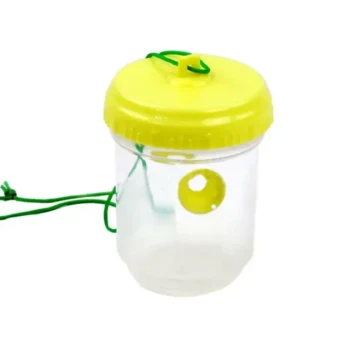
Transparent plastic is the industry standard for high-performance hornet traps because it serves as both a durable structural framework and a functional tool for maximizing capture efficiency. By utilizing materials like PET, manufacturers create traps that are less detectable to insects while allowing for effortless, real-time monitoring of capture rates. This dual-purpose design is essential for professionals who require high-yield pest management solutions and reliable data collection in the field.
Core Takeaway: Transparent plastic bodies increase hornet retention by making trap entrances less detectable and enable high-density, cost-effective monitoring through easy visual inspection. For distributors, sourcing traps with high-clarity materials ensures a product that balances professional-grade performance with economic feasibility.
Enhancing Capture and Retention Efficiency
Reducing Visual Detection
From an insect's perspective, transparency makes the trap entrance less detectable, reducing the likelihood of a "flight or fight" response before entry. This visual deception is critical for increasing the initial entry rate of hornets into the device.
Improving Insect Retention
Once inside, the transparent walls provide a clear view of the environment but offer no exit, which increases the retention rate of captured specimens. This ensures that the trap remains effective over longer periods without requiring constant reset or intervention.
Optimizing Specimen Collection
For professional applications, the effectiveness of specimen collection is paramount. Transparent bodies ensure that the insects are directed toward collection points efficiently, maintaining the integrity of the trap's internal logic.
Facilitating Monitoring and Operational Efficiency
Real-Time Observation
Transparency allows technicians and researchers to monitor behavior in real-time without disrupting the social interactions or the environment inside the trap. This is particularly valuable in micro-rearing scenarios or when observing the impact of specific pathogens on a colony.
Simplified Maintenance
A clear body allows for the immediate identification of deceased individuals, which can be removed to prevent social disruption or the spread of unintended decay. This visibility reduces the labor time required for manual inspections across large-scale deployment areas.
Rapid Data Collection
In apiary protection and preliminary investigations, transparent materials allow for easy counting of captured hornets. This capability supports rapid response times and data-driven decision-making for pest control professionals.
Material Durability and Scalability
The Advantages of PET Plastic
PET is frequently selected for its high transparency and weather resistance, ensuring the trap remains functional in diverse outdoor conditions. It is also favored for its ease of processing, which allows for complex, high-efficiency trap designs at a lower manufacturing cost.
Economic Feasibility for Large-Scale Use
The low cost and recyclability of transparent plastics make them ideal for high-density trap points. This allows distributors to offer a full-spectrum product portfolio that is economically viable for large-scale monitoring projects.
Structural Support
Beyond its visual properties, the plastic provides the durable physical support necessary for long-term field use. It protects the internal mechanisms and attractants from environmental factors while maintaining the trap's overall shape.
Understanding the Trade-offs
UV Degradation and Clarity
While transparent plastics offer high visibility, prolonged exposure to direct sunlight can lead to UV degradation over time. This may cause the material to become brittle or cloudy, potentially reducing the visual deception benefits if not manufactured with UV-stabilized resins.
Heat Absorption Issues
Transparent enclosures can act like small greenhouses, leading to internal heat buildup in high-temperature climates. This can impact the longevity of the attractant or the survival of specimens intended for live study, requiring careful placement or ventilation design.
Making the Right Choice for Your Goal
When selecting hornet traps for your inventory, consider the specific needs of your end-users to ensure you provide the most effective solution.
- If your primary focus is large-scale agricultural monitoring: Prioritize traps made from PET for their balance of low cost, transparency, and recyclability.
- If your primary focus is professional research or apiary protection: Select high-clarity models that allow for precise counting and observation without disturbing the specimens.
- If your primary focus is long-term field durability: Ensure the transparent materials are UV-treated to prevent yellowing and structural failure in harsh environments.
By leveraging deep industry expertise and a comprehensive sourcing strategy, you can provide professional-grade trapping solutions that deliver both high efficiency and long-term value.
Summary Table:
| Feature | Primary Function | Professional Advantage |
|---|---|---|
| High Transparency | Reduces visual detection by insects | Increases entry and retention rates |
| PET Material | Provides weather-resistant structure | Ensures long-term field durability |
| Clear Visibility | Facilitates real-time observation | Enables rapid data collection and maintenance |
| Economic Design | Low-cost, scalable manufacturing | Supports high-density monitoring projects |
Scale Your Pest Control Inventory with HONESTBEE
Partner with HONESTBEE to access a comprehensive wholesale portfolio designed for commercial apiaries and distributors. We provide one-stop sourcing for professional-grade hornet traps, specialized hive-making machinery, and essential industry consumables.
Why B2B Resellers Choose Us:
- Comprehensive Portfolio: From honey-filling machines to high-efficiency traps, we cover all your hardware needs.
- Optimized for Profit: Competitive wholesale pricing and OEM/ODM support to maximize your margins.
- Industry Expertise: Leverage our deep professional knowledge to provide superior solutions to your clients.
- Rapid Fulfillment: Ultra-fast delivery and dedicated customer service ensure your supply chain never breaks.
Ready to streamline your sourcing? Contact HONESTBEE today to receive our full catalog and wholesale pricing.
References
- Jouni Sorvari. Yellow does not improve the efficiency of traps for capturing wasps of the genera Vespula and Dolichovespula (Hymenoptera: Vespidae). DOI: 10.14411/eje.2019.027
This article is also based on technical information from HonestBee Knowledge Base .
Related Products
- Compact Multi-Funnel Hanging Wasp Trap
- Transparent Plastic Bee Catcher Queen Marker Tube Cage Beekeeping Tool Equipment
- Plastic Beetle Blaster Trap Beekeeping Tools and Supplies
- 30 cm Plastic Entrance Hole Bee Pollen Trap and Collector
- Reusable Clear Small Hive Beetle Traps for Beehives Beetle Trapping Tools
People Also Ask
- What are the practical advantages of using professional wasp traps and protective equipment in apiary management? Scale Up
- Why replace sugar syrup bait in wasp traps every three days? Ensure Maximum Attraction and Catch Rates
- What is the importance of deploying hornet traps around an apiary for maintaining colony stability? Protect Your Yields.
- What are the advantages of placing hornet traps on the tops of beehives? Maximize Hive Defense Against Predators
- What is the technical purpose of placing expanded clay balls in a hornet trap? Optimize Your Apiary Monitoring