The primary indicator that honey is ready for harvesting is the presence of a wax cap sealing the honeycomb cells. This visual cue signals that the bees have completed the process of reducing the nectar's moisture content to a level safe for long-term storage.
While the wax capping serves as a visual "seal of approval" from the colony, the underlying determinant of harvest readiness is moisture density. The goal is to harvest honey only when it is dry enough to remain stable without spoiling.
The Visual Standard: Wax Capping
The Role of Capping
The most accessible way to judge honey readiness is by observing the frame surface. When bees cover the cells with a thin layer of wax, the honey is generally considered "cured" or finished.
What Capping Signifies
Bees fan nectar with their wings to evaporate excess water. They only seal the cell once the liquid has reached the specific viscosity and sugar concentration required for preservation.
The Science of Stability
Moisture Content is Critical
The "why" behind harvesting rules is entirely based on water content. Nectar begins with very high water levels, which makes it unstable.
Preventing Fermentation
If honey contains too much moisture, natural yeasts can survive and reproduce. This leads to fermentation, which sours the honey and makes it unfit for consumption.
Long-Term Storage
The capping indicates that the moisture has been reduced sufficiently to halt yeast activity. This stability allows the honey to be stored for extended periods without degrading.
Precision Tools for Verification
Beyond Visual Estimates
While capping is the traditional indicator, visual cues can occasionally be misleading depending on environmental humidity. For absolute certainty, modern beekeepers utilize scientific tools.
Using a Refractometer
A refractometer is a handheld device used to measure the specific moisture content of the honey. This provides a precise percentage reading, ensuring the honey is truly ready for extraction.
Common Pitfalls to Avoid
The Risk of Uncapped Frames
Harvesting frames that are largely uncapped carries significant risk. The open cells likely contain nectar that has not yet evaporated enough water.
Consequences of Early Harvesting
Mixing high-moisture nectar with cured honey can ruin the entire batch. The resulting mixture may ferment in the jar, leading to pressure buildup and an off-putting taste.
Ensuring a Successful Harvest
To ensure your honey is shelf-stable and high quality, apply the following standards based on your resources:
- If your primary focus is visual inspection: Wait until the bees have capped the majority of the honeycomb cells with wax before removing the frame.
- If your primary focus is scientific precision: Use a refractometer to verify that the moisture content is low enough to prevent fermentation, regardless of the capping percentage.
Trust the bees' process, but verify the results to guarantee a product that lasts.
Summary Table:
| Indicator | Method | Significance |
|---|---|---|
| Wax Capping | Visual Inspection | Bees seal cells once moisture is low enough for storage. |
| Moisture Content | Refractometer Testing | Ideal level is below 18.6% to prevent fermentation. |
| Viscosity/Density | Observation | Nectar must be evaporated into thick, stable honey. |
| Stability | Storage Test | Low moisture ensures honey stays shelf-stable without souring. |
Maximize Your Harvest Efficiency with HONESTBEE
Ensure your honey harvest is professional-grade with the right tools. HONESTBEE supports commercial apiaries and distributors by providing a full spectrum of beekeeping solutions. From high-precision refractometers for moisture testing to industrial-scale honey-filling machines and hive-making equipment, we supply everything you need to scale your operations.
Whether you are looking for specialized beekeeping machinery or essential industry consumables, our comprehensive wholesale offering is designed to add value to your business.
Ready to elevate your honey production? Contact us today to explore our professional equipment range!
Related Products
- High Quality Honey Dehumidifier Dryer Thickening Machine for Beekeeping
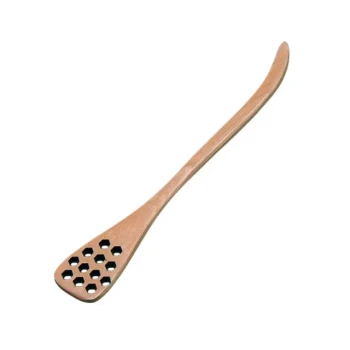
- Modern Honeycomb Pattern Wooden Honey Dipper for Stirring and Drizzling
- Economy Small Scale Honey Dryer Dehumidifier Thickening Machine
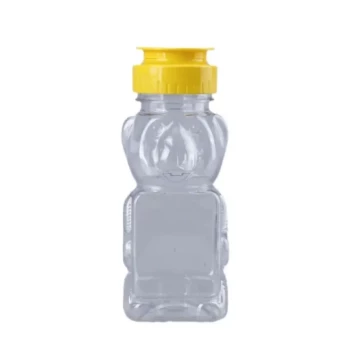
- Classic Honey Bear Jars with Flip Top Dispensing Cap for Liquid Sweeteners
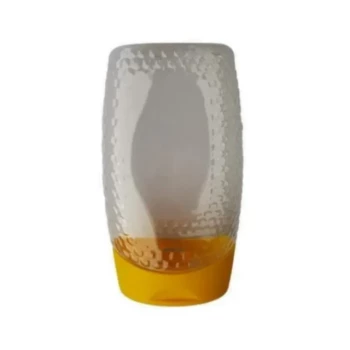
- Inverted Squeezable Honey Jar with No Drip Flip Top Cap for Easy Pouring
People Also Ask
- Can you dehumidify honey? A Beekeeper's Guide to Preventing Fermentation
- How to dry up honey? The Safe Guide to Stabilizing Honey and Preventing Fermentation
- How can the moisture content of honey be reduced? A Guide to Safe, Effective Drying Methods
- How to remove humidity from honey? Protect Your Harvest from Fermentation
- What is the process for using a dehumidifier to lower honey's moisture content? Expert Drying Techniques