Commercial beekeepers prioritize queen bee rearing to secure hive productivity, genetic superiority, and operational scalability. By controlling the rearing process, professionals can replace aging queens, prevent swarming, and introduce specific traits such as disease resistance and gentler temperament. This systematic approach ensures that every colony maintains peak egg-laying rates, directly translating to higher honey yields and more efficient pollination services.
Queen rearing is the engine of commercial apiculture, transforming biological variables into a predictable, high-output production cycle. For industry partners, providing the specialized tools and high-quality genetics required for this process is the key to supporting intensive, large-scale apiary management.
Genetic Control and Productivity Maximization
Enhancing Honey Yield and Foraging Efficiency
The queen is the central production unit of the colony, and her egg-laying rates dictate the total worker population. Commercial rearing allows for the selection of "breeder" queens from lineages known for superior foraging drive and high honey production. This selective breeding ensures that new colonies are born with the genetic predisposition to outperform wild or unmanaged stocks.
Strengthening Disease Resistance and Vitality
Professional rearing processes utilize precise environmental controls to ensure larvae develop into robust queens with strong reproductive vigor. By selecting for hygienic behavior and natural resistance to common pathogens, beekeepers can reduce their reliance on chemical treatments. This focus on hive health is essential for maintaining the long-term viability of a commercial operation.
Managing Colony Temperament and Safety
Introducing queens with gentle genetics is a critical safety and management strategy for large-scale apiaries. Controlled rearing helps prevent the risk of "Africanization" or the development of aggressive traits caused by wild cross-breeding. Docile colonies are easier to inspect, require less labor to manage, and are safer for placement near agricultural workers or public areas.
Operational Stability and Risk Mitigation
Preventing Swarming Through Colony Renewal
Regularly replacing older queens with young, reared queens is the most effective way to prevent swarming, which can otherwise lead to a 50% loss of a colony’s workforce. Younger queens produce stronger pheromones that maintain better colony cohesion. This proactive renewal keeps the workforce intact and focused on production rather than reproduction.
Facilitating Rapid Apiary Expansion
Commercial beekeepers grow their businesses by splitting large colonies into two or more new hives. This expansion requires a steady, immediate supply of mated queens to ensure the "split" becomes a viable, independent unit quickly. Having a reliable source of queens allows for aggressive growth and the rapid replacement of winter losses.
Stabilizing Hives After Queen Loss
A colony that loses its queen due to injury or age will quickly decline if not corrected. Introducing a high-quality commercial mated queen provides immediate stability and prevents the "drone-layer" scenario that leads to hive collapse. This intervention ensures that the apiary’s total production capacity remains consistent across the season.
The Technical Infrastructure of Queen Rearing
Precision Through Specialized Equipment
Achieving high survival rates during the manual grafting process requires a suite of specialized tools, including grafting needles, cell cups, and mating nucs. These tools provide the controlled physical environment necessary for optimal larval growth. Standardized, high-quality consumables are the technical guarantee for a large-scale supply of superior genetics.
Systematic Management via Queen Marking
Professional beekeepers use standardized color-coded marking on the queen’s thorax to track her age and lineage accurately. This international code allows for informed decision-making regarding when to replace aging queens before their productivity drops. Marking also makes the queen significantly easier to locate during rapid hive inspections, saving valuable labor time.
Understanding the Trade-offs
The Risk of Genetic Narrowing
While selective breeding improves specific traits like honey production, it can unintentionally reduce the overall genetic diversity of an apiary. Over-reliance on a single breeder line can make a large operation more vulnerable to environmental shifts or new disease strains. Distributors should offer a diverse portfolio of queen lines to help clients mitigate this risk.
Technical Expertise and Labor Intensity
Queen rearing is a highly technical skill that requires significant time, precision, and deep industry expertise. Success depends on strict timelines—missing a grafting or emergence window by even a few hours can result in the loss of an entire batch. For many commercial operations, the trade-off is deciding between rearing in-house or sourcing from trusted specialized breeders.
Making the Right Choice for Your Goal
How to Support Your Clients’ Rearing Needs
Choosing the right support strategy depends on the scale and technical proficiency of your client base.
- If your primary focus is one-stop sourcing for large-scale operations: Stock a comprehensive range of standardized queen rearing consumables, from grafting tools to specialized mating nucs, to ensure rapid order fulfillment.
- If your primary focus is improving client hive productivity: Provide access to premium mated queens from diverse, disease-resistant lineages to ensure immediate colony stability and high honey yields.
- If your primary focus is operational efficiency for your clients: Emphasize the importance of queen marking tools and tracking systems to help beekeepers reduce labor costs and manage replacement schedules.
The success of a commercial apiary depends on the quality of its queens, making specialized rearing services and tools an indispensable part of the professional beekeeping supply chain.
Summary Table:
| Category | Primary Benefit | Key Equipment & Actions |
|---|---|---|
| Genetic Excellence | Maximized honey yield & disease resistance | Grafting tools, selected breeder lines |
| Operational Scale | Rapid colony expansion & swarm prevention | Mating nucs, split management |
| Hive Stability | Consistent egg-laying & gentle temperament | Queen marking, regular renewal |
| Risk Management | Quick replacement of lost or failing queens | Mated queen cages, cell cups |
Elevate Your Beekeeping Supply Chain with HONESTBEE
Empower your commercial clients with the precision tools they need for successful queen rearing. HONESTBEE provides distributors and B2B resellers with a comprehensive, one-stop sourcing solution for the entire apiculture lifecycle. From specialized grafting needles and mating nucs to large-scale honey-filling machinery, our full-spectrum portfolio is designed for high-volume efficiency.
Why Partner with Us?
- Unmatched Portfolio: Access everything from essential consumables to advanced hive-making hardware.
- Reliable Fulfillment: Benefit from ultra-fast delivery and rapid response times to keep your inventory moving.
- Professional Expertise: Leverage our deep industry knowledge to support your OEM/ODM requirements and boost profit margins.
Ready to scale your business with a trusted industry leader? Contact our team today to request a wholesale quote!
Related Products
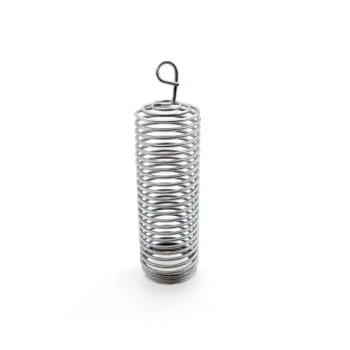
- Durable Galvanized Steel Spring Queen Bee Cage
- Portable Queen Bee Incubator with 12V Car Adapter for Safe Transport
- Professional Queen Bee Introduction and Transport Cage
- Heavy Duty Stainless Steel Queen Bee Catcher Clip
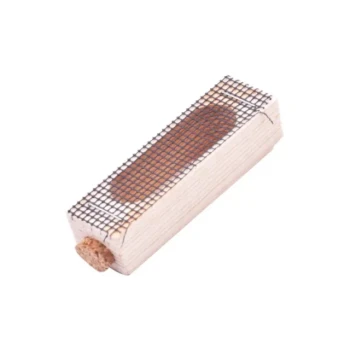
- Classic Wooden and Mesh California Queen Cage
People Also Ask
- Why are specialized queen bee cages used for the banking of mated queen bees? Maximize Commercial Apiary Storage Efficiency
- What is the mechanism of action for using temporary queen bee cages? Master Successful Queen Introduction
- What is the step-by-step process for installing a queen bee's cage onto a frame? Ensure Hive Acceptance Safely
- What is the optimal placement for a queen bee cage? Essential Strategies for Successful Re-queening
- What are the advantages and disadvantages of introducing a queen bee by embedding the cage? Boost Your Queen Acceptance