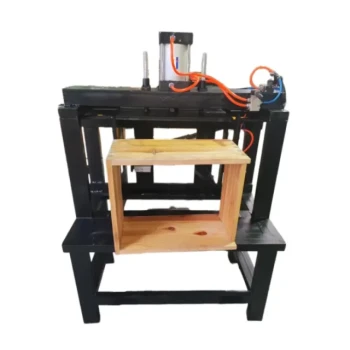
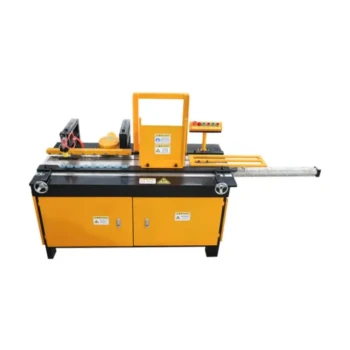
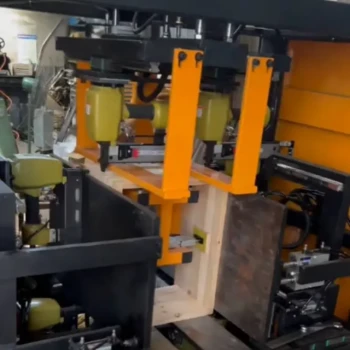
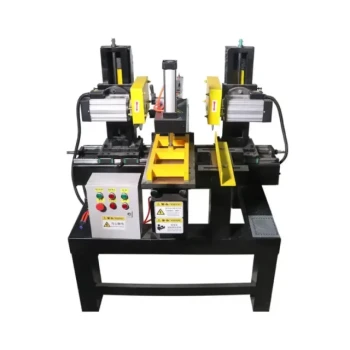
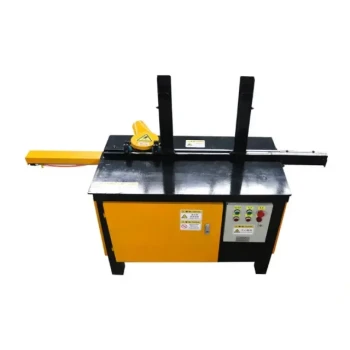
The primary process advantage of specialized hive-making machinery is the achievement of industrial-grade precision and standardization. Unlike manual construction, these machines create tightly sealed, uniform structures that are essential for high-efficiency management. This uniformity is not merely a convenience; it is a structural prerequisite for integrating automated honey extraction and filling systems later in the production chain.
Core Takeaway While manual construction allows for customization, specialized machinery establishes the standardized infrastructure required for scaling. By ensuring strict dimensional accuracy, these machines protect organic integrity by reducing the need for chemical interventions and creating the physical foundation necessary for automated processing and IoT integration.
The Foundation of Automated Production
Enabling Downstream Automation
The most critical advantage of machine-made hives is their role as a precursor to automated extraction. High-efficiency output in large-scale operations relies on automated un-capping and honey extraction lines.
These automated lines require hives and frames with exact specifications to function correctly. Machinery ensures that every component is identical, preventing jams and inefficiencies during the extraction and filling processes.
Achieving Precise Seals and Fit
Specialized machinery, such as automated tenoning machines, cuts wood with high geometric precision. This results in components that fit together seamlessly, creating a tightly sealed hive structure.
A tight seal is vital for maintaining the internal microclimate. It prevents drafts and moisture ingress, reducing the energy the colony must expend on temperature regulation.
Enhancing Organic Integrity and Colony Health
Reducing Reliance on Chemicals
In organic apiaries, maintaining a chemical-free environment is paramount. High-precision manufacturing creates physical barriers that are effective against pests, thereby reducing the need for chemical pesticides.
By eliminating structural gaps where pests might enter or hide, the hive design itself acts as a preventative measure. This protects the natural purity of the honey at the source.
Optimizing the "Bee Space"
Machinery ensures strict adherence to the "bee space" principle—the precise gap required for bees to move freely without building excess burr comb or propolis.
Manual construction often results in slight variances that violate this principle. Machine accuracy guarantees an optimal environment for brood rearing and reduces the stress placed on the colony.
Processing Chemical-Free Materials
Specialized machines are capable of processing raw, chemical-free timber efficiently. This facilitates the mass production of hives that meet strict organic certification standards regarding material composition.
Streamlining Logistics and Management
Ensuring Component Interchangeability
Standardization allows for the complete interchangeability of parts across the apiary. A frame, queen excluder, or box from one hive will fit perfectly onto any other.
This significantly lowers maintenance difficulty. Apiary managers do not need to match specific parts to specific hives, streamlining inventory and repair workflows.
Facilitating Digital Integration
Modern organic apiaries increasingly rely on data to monitor health without intrusive inspections. Standardized hives ensure the seamless installation of IoT hardware, such as weight scales and temperature sensors.
When hive dimensions are consistent, sensors can be installed without modification, enabling scalable digital management of the operation.
Understanding the Trade-offs
High Initial Capital Expenditure
Transitioning to specialized machinery requires a significant upfront investment. For smaller, artisanal apiaries, the cost of multi-head drills and automated saws may outweigh the efficiency gains.
Technical Maintenance Demands
While these machines reduce the labor required for carpentry, they introduce a need for technical maintenance. Operators must be skilled in maintaining complex woodworking machinery to ensure continued precision, shifting the labor requirement from manual craftsmanship to industrial maintenance.
Making the Right Choice for Your Goal
To determine if specialized machinery is the right step for your operation, consider your primary objectives:
- If your primary focus is Scalability and Automation: Invest in machinery to create the standardized "hardware infrastructure" required for automated extraction lines and rapid colony expansion.
- If your primary focus is Strict Organic Certification: Use precision machinery to eliminate structural gaps and enforce "bee space," effectively reducing the need for chemical pest management.
- If your primary focus is Digital Management: Prioritize machine-made hives to ensure compatibility with IoT sensors and smart monitoring equipment across your entire operation.
Ultimately, specialized machinery shifts beekeeping from a craft-based practice to a precision-engineered industrial process, securing both operational efficiency and organic integrity.
Summary Table:
| Advantage | Manual Construction | Specialized Machinery |
|---|---|---|
| Dimensional Accuracy | Variable (Craft-based) | High Precision (Industrial-grade) |
| Production Scalability | Low / Labor Intensive | High / Automated Capacity |
| Interchangeability | Limited by variances | Total (Standardized parts) |
| Organic Integrity | Varies with skill | High (Tight seals, no gaps) |
| Automation Support | Difficult to integrate | Designed for extraction lines |
| Component Fit | Potential for gaps | Perfect seal (Bee Space) |
Revolutionize Your Beekeeping Operation with HONESTBEE
Transitioning from manual crafts to industrial precision is the key to scaling your apiary. At HONESTBEE, we specialize in empowering commercial apiaries and distributors with the high-performance tools and machinery needed for modern success.
Why partner with HONESTBEE?
- Comprehensive Wholesale Offering: From hive-making and honey-filling machines to a full spectrum of beekeeping tools and hardware.
- Scalability & Efficiency: Our machinery ensures the standardization required for automated extraction lines and IoT integration.
- End-to-End Support: We supply everything from essential consumables to honey-themed cultural merchandise for your brand.
Ready to elevate your production standards and operational efficiency? Contact us today to discuss your wholesale needs and see how our hardware solutions can grow your business.
References
- Yevhen Kononets, Horst Treiblmaier. The potential of bio certification to strengthen the market position of food producers. DOI: 10.1108/mscra-05-2020-0013
This article is also based on technical information from HonestBee Knowledge Base .
Related Products
- High-Efficiency Pneumatic Bee Hive Making Machine for Rapid Box Assembly
- Beehive Handle and Frame Rest Cutting Machine: Your Specialized Hive Machine
- Mini Desktop Bee Hive Frame Forming Making Machine
- Automatic High-Speed Bee Hive Box Stapling Machine
- Beehive Machine Double End Saw for Precision Hive Component Manufacturing
People Also Ask
- How does the introduction of professional beehive-making machinery benefit sustainable beekeeping? Scale Your Apiary
- Why is specialized beehive-making machinery critical for low-defense breeding? Enhance Selection with Precision Tools
- How does the introduction of specialized beehive making machinery contribute to increasing the scale of regional beekeeping industries?
- What is the importance of specialized beehive making machinery in a circular bio-economy? Build Local Sustainability
- Why is specialized beehive-making machinery essential? Scale Your Apiary with Precision Industrial Standards