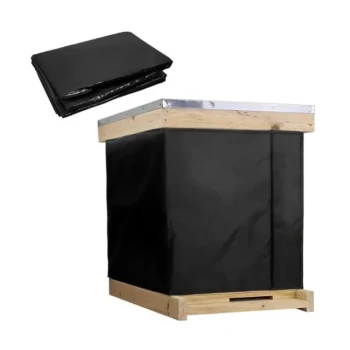
Wood fiber serves as a highly effective, environmentally conscious choice for beehive insulation. It offers strong thermal performance and sustainability credentials, though these benefits come with higher costs and a more complex installation process compared to synthetic alternatives.
Wood fiber is a superior option for environmentally focused beekeepers seeking renewable materials with good thermal properties, but it requires a larger budget and more technical effort to install than standard options.
The Strategic Advantages
Environmental Sustainability
Wood fiber is an eco-friendly material, making it an ideal choice for natural beekeeping. It is typically sourced from sustainably managed forests, ensuring that your insulation choice supports renewable resource practices rather than depleting them.
Thermal Efficiency
Beyond its green credentials, wood fiber functions as a good insulator. It provides the necessary thermal resistance to help colonies maintain their core temperature, which is critical for survival during colder months.
Understanding the Trade-offs
Higher Financial Investment
The primary downside to wood fiber is the cost. It can be on the expensive side, particularly when compared to cheap, mass-produced synthetic foams or agricultural byproducts.
Installation Complexity
Wood fiber is generally harder to install than other insulation options. Unlike lightweight materials that can be easily cut or wrapped, wood fiber may require more effort to fit correctly around the hive, demanding more time and labor from the beekeeper.
Making the Right Choice for Your Apiary
To decide if wood fiber aligns with your management style, consider your specific priorities:
- If your primary focus is Sustainability: Choose wood fiber for its biodegradable nature and origin in responsibly managed forests.
- If your primary focus is Budget and Speed: Be prepared for higher upfront costs and a more involved installation process compared to conventional alternatives.
Select the material that balances your colony's thermal needs with your available time and financial resources.
Summary Table:
| Feature | Wood Fiber Insulation | Alternative Synthetics |
|---|---|---|
| Sustainability | High (Renewable & Biodegradable) | Low (Non-biodegradable) |
| Thermal Performance | Excellent (High Thermal Mass) | Variable (High R-value) |
| Cost | Premium Investment | Budget-Friendly |
| Installation | Complex / Higher Labor | Quick / Simple |
Elevate Your Apiary’s Performance with HONESTBEE
Are you looking to balance sustainability with efficiency in your commercial operations? At HONESTBEE, we specialize in empowering commercial apiaries and distributors with premium wholesale solutions. From high-performance hive-making and honey-filling machinery to a full spectrum of beekeeping tools and essential industry consumables, we provide everything needed to scale your business.
Why partner with HONESTBEE?
- Comprehensive Inventory: One-stop access to specialized hardware and cultural merchandise.
- Commercial Expertise: Tailored support for large-scale operations and global distributors.
- Quality Assurance: Durable equipment designed for professional use.
Ready to optimize your production and supply chain? Contact us today to discuss your wholesale needs and let HONESTBEE bring industry-leading value to your business.
Related Products
- Professional Insulated Winter Hive Wrap for Beekeeping
- Professional Insulated Plastic Bee Hives
- Inner Beehive Cover for Beekeeping Bee Hive Inner Cover
- Wholesales Dadant Size Wooden Bee Hives for Beekeeping
- Solid Bottom Board Australian Pine Wood Langstroth Bottom Board for Wholesale
People Also Ask
- What are the steps to properly wrap a beehive for winter? Ensure Your Colony Survives the Cold
- When is the best time to wrap a beehive for winter? A Guide to Perfect Winterization Timing
- How do professional insulation wraps provide protection for bee colonies? Optimize Winter Survival & Energy Efficiency
- What are the technical benefits of using winter wraps for beehive insulation? Boost Colony Survival & Hive Health
- What are the benefits of using insulated covers for hives? Ensure Colony Survival and Health