Marking a queen bee is primarily a tool for efficiency and verification. It involves applying a small, distinct dot of paint—typically to the thorax—which allows a beekeeper to instantly locate her among thousands of worker bees. Furthermore, this mark acts as a unique identifier, confirming that the queen currently in the hive is the original matriarch and has not been replaced by the colony.
Core Insight: Marking transforms the queen from a "needle in a haystack" into a visible anchor for the colony. It significantly reduces inspection time and provides immediate proof of colony continuity, signaling whether the original genetics remain or if a natural replacement event has occurred.
Immediate Visual Identification
Speed and Efficiency
The most practical reason for marking a queen is to drastically reduce the time spent searching for her. Without a mark, finding a single queen amidst tens of thousands of moving bees can be arduous and time-consuming. A bright, contrasting color on her thorax makes her stand out immediately.
Reducing Colony Disturbance
Because the queen is easier to spot, hive inspections become faster and more efficient. Shorter inspections mean the hive is open for less time, which minimizes stress on the colony and reduces the disruption of their internal temperature and humidity.
Accessibility for Beginners
For novice beekeepers or those with less than perfect eyesight, spotting a queen based solely on her morphology (body shape) can be difficult. A vibrant mark acts as a visual training wheel, helping the beekeeper verify her presence with confidence without needing expert-level spotting skills.
Colony Health and Continuity
Confirming Queen Retention
The mark serves as a "seal of authenticity" for the hive leader. If a beekeeper opens a hive and sees an unmarked queen where a marked one used to be, they immediately know the original queen is gone. This confirms that the bees have raised a new queen on their own.
Detecting Supersedure and Swarming
This change in queen status provides critical data on hive behavior. An unmarked queen indicates that the colony has either swarmed (the old queen left with half the bees) or superseded (the colony killed and replaced the old queen). This insight allows the beekeeper to adjust their management strategy accordingly.
Tracking Age and Genetics
In advanced management, the color of the mark often corresponds to a specific year or genetic line. For breeding programs, specialized identification labels (numbered discs) can be used instead of paint. This allows for precise tracking of data such as birth weight, honey yield, and longevity.
Understanding the Trade-offs
Risk of Injury
The process of marking requires handling the most valuable bee in the colony. There is always a risk of physically injuring the queen or applying too much paint, which could clog her spiracles (breathing holes) or impair her movement.
Application Precision
Using the wrong type of paint or a marker with a hard tip can cause distress. It is critical to use water-based, non-toxic acrylic markers with soft tips to ensure safety. To mitigate these risks, it is highly recommended to practice marking on drones (male bees) first, as they are large and expendable compared to the queen.
Paint Durability
While the thorax is the standard marking site, paint can flake off over time due to wear or grooming by worker bees. Some techniques suggest abdominal marking for better visibility, but the thorax remains the primary recommendation to avoid interfering with the queen's abdominal flexibility and breathing.
Making the Right Choice for Your Goal
Marking is a standard best practice, but the method you choose depends on your specific objectives.
- If your primary focus is General Management: Use a standard colored dot to minimize inspection time and easily detect if your colony has swarmed or replaced the queen.
- If your primary focus is Breeding and Genetics: Use numbered identification labels to record granular data on specific bloodlines, productivity, and lifespan.
Marking your queen is a small investment of effort that yields high returns in management speed and diagnostic clarity.
Summary Table:
| Benefit Category | Primary Reason | Key Impact on Management |
|---|---|---|
| Efficiency | Rapid Identification | Reduces inspection time and hive disturbance. |
| Monitoring | Confirmation of Identity | Instantly detect if a queen has swarmed or been replaced. |
| Diagnostics | Behavioral Insight | Provides proof of supersedure or colony swarming events. |
| Advanced Care | Age & Genetic Tracking | Uses color-coding to monitor queen lifespan and productivity. |
| Safety | Novice Support | Helps beginners locate the queen without expert morphology skills. |
Streamline Your Apiary Operations with HONESTBEE
Are you looking to scale your commercial beekeeping business or enhance your distribution network? At HONESTBEE, we specialize in empowering professional apiaries with high-grade beekeeping tools and industrial machinery.
From queen marking kits and specialized hardware to advanced hive-making and honey-filling machines, we provide the comprehensive wholesale solutions you need to maximize productivity. Our portfolio also includes a unique range of honey-themed cultural merchandise to diversify your retail offerings.
Ready to elevate your efficiency? Contact us today to discover how our premium equipment can benefit your business.
Related Products
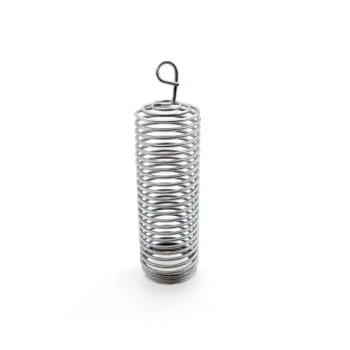
- Durable Galvanized Steel Spring Queen Bee Cage
- Portable Queen Bee Incubator with 12V Car Adapter for Safe Transport
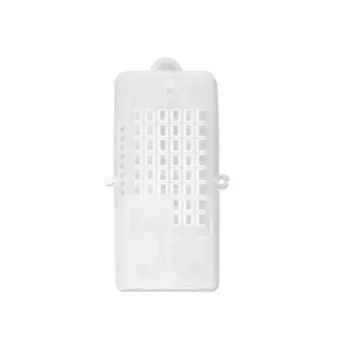
- Professional Queen Bee Introduction and Transport Cage
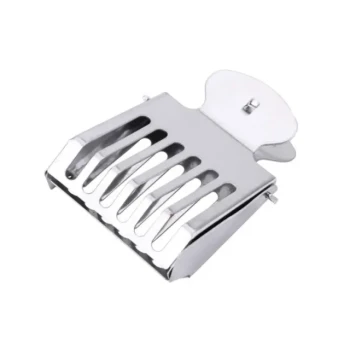
- Heavy Duty Stainless Steel Queen Bee Catcher Clip
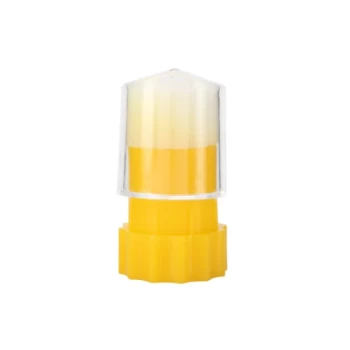
- Queen Bee Catcher Plastic Bee Marker Bottle with Piston Marking Tube
People Also Ask
- Why are specialized queen bee cages used for the banking of mated queen bees? Maximize Commercial Apiary Storage Efficiency
- What is the mechanism of action for using temporary queen bee cages? Master Successful Queen Introduction
- What is the step-by-step process for installing a queen bee's cage onto a frame? Ensure Hive Acceptance Safely
- What is the optimal placement for a queen bee cage? Essential Strategies for Successful Re-queening
- What are the advantages and disadvantages of introducing a queen bee by embedding the cage? Boost Your Queen Acceptance