The correct anatomical location for marking a queen bee is the dorsal side of the thorax. Specifically, you must aim for the small, bald area situated directly behind her head and centered between her wings.
Precision is critical when marking a queen to ensure her safety and mobility. Apply the mark exclusively to the thorax—the rigid center section of her body—to provide a stable anchor for the ink without interfering with her vital functions.
Identifying the Exact Target Zone
The Thorax
The queen's body is divided into three sections: the head, the thorax (middle), and the abdomen (rear).
You must focus entirely on the thorax. This is the section where the legs and wings attach.
The Bald Patch
On the top of the thorax, there is a distinct, small area that is relatively hairless.
This spot is located behind the head and strictly between the wings. This is the only safe canvas for your marker or sticker.
Why This Location is Critical
Structural Stability
The thorax provides a hard, rigid surface that does not change shape.
Unlike the abdomen, which expands and contracts for egg production and breathing, the thorax remains static. This ensures the mark does not crack or flake off due to body movement.
Non-Interference with Function
Marking this specific spot ensures the queen retains full physical capability.
As noted in the primary reference, a mark placed here does not interfere with the queen's ability to lay eggs or move throughout the hive. It keeps foreign substances away from her sensory organs and propulsion mechanisms.
Critical Mistakes to Avoid
Avoiding the Wings
You must be extremely careful not to get ink or glue on the wings.
If the wings are glued together or to the body, the queen cannot fly or maintain proper balance. This often leads to the colony rejecting or killing her (supersedure).
Avoiding the Abdomen
Never place a mark on the long, tapered abdomen section.
The abdomen contains spiracles (breathing pores) and needs to stretch significantly. Paint here can block respiration or cause irritation that prompts worker bees to groom the mark—and the queen—too aggressively.
Ensuring a Successful Application
To apply the mark effectively without harming the queen, consider your specific goal:
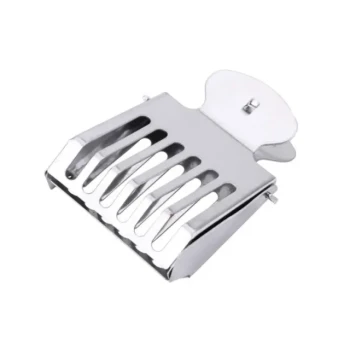
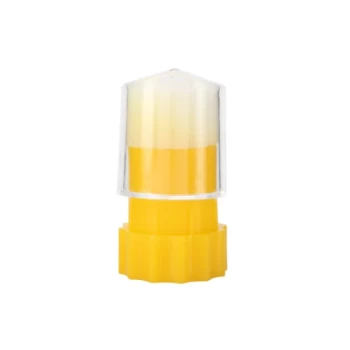
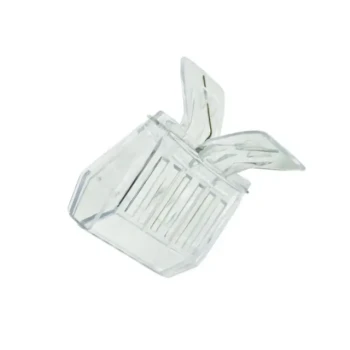
- If your primary focus is safety: Ensure the queen is fully immobilized in a marking cage or plunger so that only the thorax is exposed through the mesh.
- If your primary focus is durability: Target the specific bald patch on the thorax, as ink adheres much better to the exoskeleton than to the distinct hairs surrounding it.
Mastering this simple anatomical distinction is the first step toward effective colony management.
Summary Table:
| Anatomical Section | Marking Safety | Reason for Success/Risk |
|---|---|---|
| Thorax (Center) | Safe & Recommended | Rigid surface; doesn't interfere with breathing or egg-laying. |
| Bald Patch | Optimal Target | Provides the best adhesion for ink and stickers away from hairs. |
| Abdomen (Rear) | Dangerous | Contains breathing spiracles and must expand for egg production. |
| Wings | Dangerous | Glue or ink on wings prevents flight and leads to queen rejection. |
| Head | Dangerous | Risk of blocking sensory organs and vision. |
Elevate Your Apiary Management with HONESTBEE
At HONESTBEE, we understand that the queen is the heart of your colony. Beyond mastering marking techniques, having the right tools is essential for the success of commercial apiaries and distributors. We provide a comprehensive wholesale range of high-quality beekeeping equipment—from precision queen-marking cages and ergonomic tools to advanced honey-filling machinery and hive-making equipment.
Whether you are scaling your commercial honey production or looking for specialized cultural merchandise, our portfolio is designed to enhance your operational efficiency and durability. Contact us today to discuss how our professional-grade tools and industry consumables can support your business growth.
Related Products
- Queen Bee Marking Pen POSCA Queen Marking Pens for Beekeeping Bee Markers
- Plastic Long Marker Device for Catching and Marking Bees Queen Bee Marking Tube and Cage
- Queen Bee Marking Pen UNI Medium Point for Queen and Bee Marking
- One Hand Yellow Queen Marking Catcher Tube Cage Beekeeper Tool Accessory for Queen Bee
- Queen Bee Marking Tube Cage Bottle Catcher Holder with Clear Plastic Plunger Marker
People Also Ask
- What role do specialized marking pens and color-coding systems play in honeybee tracking? Enhance Research Precision
- Why are specialized marking pens used for stingless bee queens? Essential Tools for Large-Scale Breeding Success
- How should a new paint pen be primed before marking a queen bee? Essential Tips for Safe & Clear Markings
- How should a queen bee marking pen tip be properly primed? Master the Art of Safe Queen Marking
- What specifications are required for a high-quality queen bee marking pen? Ensure Safety and Precision for Your Colony