To mark a queen bee correctly, you must prioritize paint flow control and patience over speed. The technique involves vigorously priming the pen, testing the flow on a disposable surface to remove excess ink, and applying a single, quick dab to the center of the queen's thorax. Crucially, you must hold the queen securely and allow the paint to dry completely before releasing her, or the attendant bees will immediately clean the mark off.
The effectiveness of a queen mark depends heavily on paint consistency; a pen that is too dry will fail to leave a visible mark, while a pen with excess paint risks harming the queen or smearing before it sets.
Preparing the Paint Pen
Priming the Mechanism
Before approaching the hive, you must ensure the paint is properly mixed and the nib is saturated. Shake the pen vigorously until you can hear the internal mixing balls rattling.
Saturating the Nib
If the pen is new or hasn't been used recently, press the nib repeatedly against a piece of paper or cardboard. This pumping action retracts the tip and draws paint down from the reservoir. Continue this until the nib is fully colored and saturated.
Verifying Flow Consistency
Never apply the pen directly to the queen without testing it first. Dab the pen on a hard surface or your thumbnail to ensure the paint flows smoothly. You are looking to eliminate large drops or "blobs" of ink that could flood the queen's thorax.
Applying the Mark
Targeting the Thorax
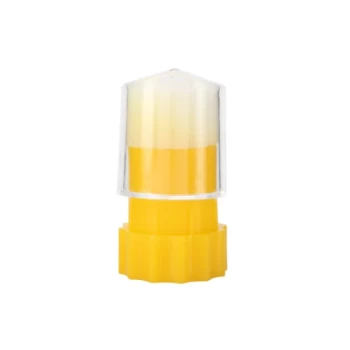
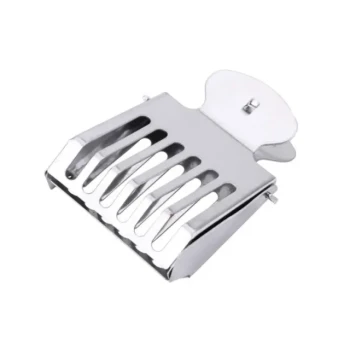
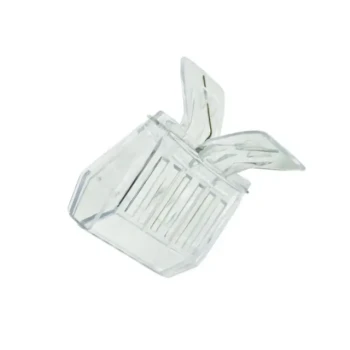
Once the queen is immobilized—either by hand or using a tool like a plunger or push-in cage—locate the top center of her thorax. This is the hard section between the head and the abdomen where the wings attach.
The Application Motion
Apply the paint with a quick, gentle dab. You do not need to "paint" a stroke; a simple touch is sufficient to leave a small, solid dot. Avoid applying too much pressure, which can dispense excess paint.
The Drying Period
After marking, do not release the queen immediately. Hold her (or keep her contained in the marking tool) for 30 to 60 seconds. The paint must be completely dry to the touch to prevent attendant bees from grooming it off the moment she returns to the colony.
Understanding the Trade-offs
Paint Volume Risks
There is a fine line between a visible mark and a dangerous one. Applying too much paint can cause it to run into the queen's joints or spiracles (breathing holes), which can permanently injure or kill her. Conversely, too little paint will fade quickly, defeating the purpose of marking.
Handling vs. Tool Usage
While experienced beekeepers may mark queens by hand, this requires significant dexterity to avoid squeezing the queen's abdomen. Using a marking cage or plunger offers higher safety for the queen but requires more equipment and time.
Practice is Essential
Attempting this for the first time on a valuable queen is risky. It is highly advisable to practice the entire catch-and-mark process on drones (male bees) first to refine your pressure and timing without risking the colony's future.
Making the Right Choice for Your Goal
Whether you are a novice or an expert, safety and visibility are the ultimate objectives.
- If your primary focus is safety: Use a push-in cage or plunger tool to immobilize the queen, minimizing the risk of crushing her or applying the mark off-center.
- If your primary focus is longevity of the mark: Ensure you use a non-toxic, water-based paint pen and allow the full 60 seconds of drying time so the mark remains permanent.
Control the flow, target the thorax, and wait for the dry.
Summary Table:
| Step | Action | Key Objective |
|---|---|---|
| 1. Priming | Shake & pump nib on a test surface | Ensure consistent paint flow & no blobs |
| 2. Target | Center of the thorax | Apply mark to the hardest, safest area |
| 3. Motion | Quick, gentle dab | Prevent excess paint from clogging spiracles |
| 4. Drying | Wait 30 - 60 seconds | Prevent workers from grooming the mark off |
Professional Beekeeping Solutions from HONESTBEE
Ensure your queen management is precise and safe with high-quality tools from HONESTBEE. As a dedicated partner to commercial apiaries and distributors, we provide a comprehensive wholesale range of beekeeping equipment designed for efficiency and durability.
From specialized queen marking tools and cages to advanced honey-filling machines and hive-making hardware, we supply everything your business needs to thrive. We also offer a diverse selection of industry consumables and honey-themed cultural merchandise to enhance your brand's reach.
Ready to elevate your apiary operations?
Contact Us Today to Explore Our Wholesale Catalog
Related Products
- Queen Bee Marking Pen POSCA Queen Marking Pens for Beekeeping Bee Markers
- Queen Bee Marking Pen UNI Medium Point for Queen and Bee Marking
- One Hand Yellow Queen Marking Catcher Tube Cage Beekeeper Tool Accessory for Queen Bee
- Plastic Long Marker Device for Catching and Marking Bees Queen Bee Marking Tube and Cage
- Queen Bee Catcher Plastic Bee Marker Bottle with Piston Marking Tube
People Also Ask
- What role do specialized marking pens and color-coding systems play in honeybee tracking? Enhance Research Precision
- Why are specialized marking pens used for stingless bee queens? Essential Tools for Large-Scale Breeding Success
- How should a new paint pen be primed before marking a queen bee? Essential Tips for Safe & Clear Markings
- How should a queen bee marking pen tip be properly primed? Master the Art of Safe Queen Marking
- What specifications are required for a high-quality queen bee marking pen? Ensure Safety and Precision for Your Colony