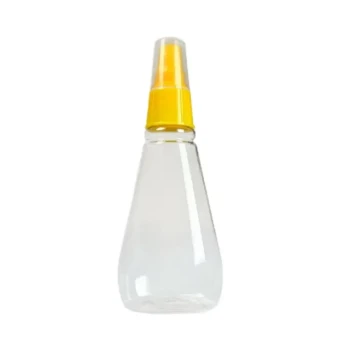
To properly store honey for maximum longevity, place it in an airtight glass or food-grade plastic container and keep it in a cool, dark location such as a pantry or cupboard. Maintain a consistent room temperature between 50°F and 70°F (10°C to 21°C), protect it from direct sunlight, and only ever insert clean, completely dry utensils to prevent contamination.
Honey is naturally shelf-stable, but it is biologically active and highly sensitive to its environment. The goal of proper storage is to isolate the honey from moisture and heat, which are the primary catalysts for fermentation and flavor degradation.
Controlling the Environmental Variables
Optimal Temperature Range
You should store honey at a consistent room temperature, specifically between 50°F and 70°F (10°C to 21°C).
Keeping honey within this range is critical for preserving its quality and texture.
Consistent temperatures help prevent rapid crystallization and protect the honey from heat-induced degradation.
Managing Light Exposure
Honey must be stored in a dark location, away from direct sunlight.
Exposure to light, particularly UV rays, can break down the natural enzymes in honey and degrade its flavor profile over time.
Using opaque containers or colored glass can provide an additional layer of protection by filtering out harmful light.
Selecting the Correct Container
Material Integrity
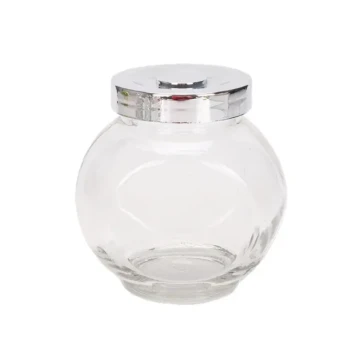
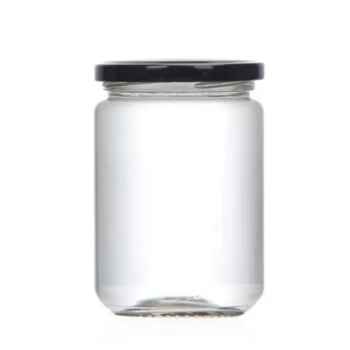
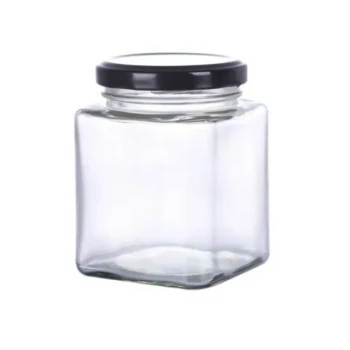
Always use food-grade containers made of glass or high-quality plastic.
Glass is often the superior choice for long-term storage because it is inert and will not impart unwanted flavors into the honey.
The Importance of an Airtight Seal
The container must provide a completely airtight seal.
Honey is hygroscopic, meaning it naturally attracts and absorbs moisture from the surrounding air.
If the seal is compromised, the honey will absorb atmospheric moisture, which can eventually lead to fermentation and spoilage.
An airtight seal also isolates the honey from external odors, ensuring the natural aroma remains pure.
Operational Hygiene
Preventing Contamination
When using honey, strictly ensure that your utensils are clean and dry.
Introducing moisture via a wet spoon can disrupt the honey's low water content, creating an environment where yeast can thrive.
Understanding the Trade-offs
Glass vs. Plastic
While glass is preferred for flavor neutrality, it is heavy and fragile.
Food-grade plastic is lighter and more durable, but it offers slightly less protection against oxygen permeation over very long periods compared to glass.
Visibility vs. Protection
Clear containers allow you to easily see the quantity and texture of your honey, but they offer no protection against light.
Opaque containers offer superior protection against UV degradation but require you to open the lid to check the contents, potentially exposing the honey to air.
Making the Right Choice for Your Goal
To select the best storage method for your specific needs, consider the following recommendations:
- If your primary focus is long-term preservation: Use an opaque or amber-colored glass jar with a tight seal to maximize protection against light and moisture.
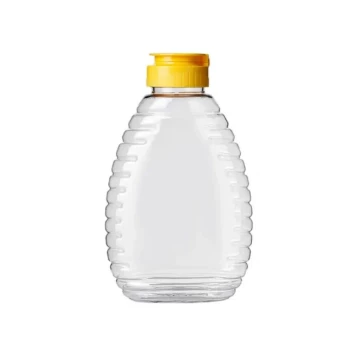
- If your primary focus is daily convenience: Use a food-grade plastic squeeze bottle kept in a dark cupboard to balance ease of access with reasonable protection.
- If your primary focus is preventing spoilage: Prioritize the airtight seal above all else to ensure no atmospheric moisture or odors can penetrate the container.
By controlling moisture, light, and temperature, you ensure your honey retains its medicinal value and complex flavor profile indefinitely.
Summary Table:
| Storage Factor | Recommendation | Benefit |
|---|---|---|
| Temperature | 50°F - 70°F (10°C - 21°C) | Prevents heat degradation and slows crystallization |
| Container | Glass or Food-grade Plastic | Ensures flavor neutrality and material safety |
| Light | Cool, dark pantry/cupboard | Protects natural enzymes and flavor from UV damage |
| Seal | Airtight / Hermetic | Prevents moisture absorption and fermentation |
| Hygiene | Clean, dry utensils | Eliminates risk of bacterial or yeast contamination |
Maximize Your Honey Production Quality with HONESTBEE
Preserving the integrity of honey starts with the right tools and equipment. HONESTBEE serves commercial apiaries and distributors worldwide with a premium selection of beekeeping essentials.
Whether you need specialized hive-making machinery, precision honey-filling machines to ensure airtight seals, or high-quality wholesale beekeeping tools, we provide the comprehensive solutions your business requires. From heavy-duty industrial hardware to honey-themed cultural merchandise, we empower you to deliver excellence to your customers.
Ready to scale your operations? Contact us today to discuss our wholesale offerings and how we can support your apiary's growth!
Related Products
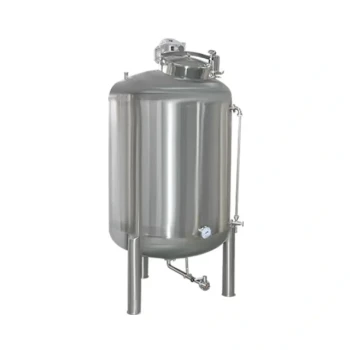
- Stainless Steel Honey Storage and Settling Tank with Double Strainer
- Stainless Steel Honey Storage Tank with Lid for Honey
- Professional Honey Storage Tank with Agitation System
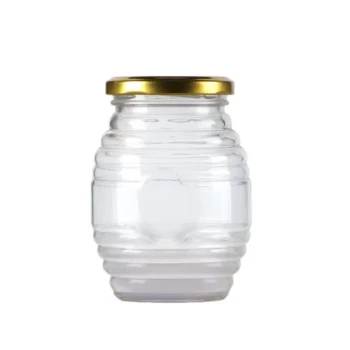
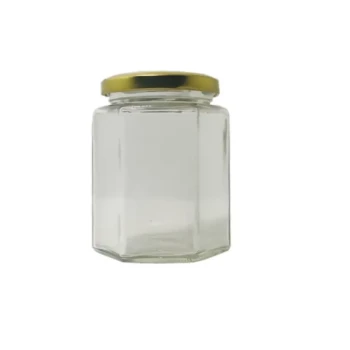
- Classic Glass Honey Jar with Metal Lug Cap for Beehive Storage
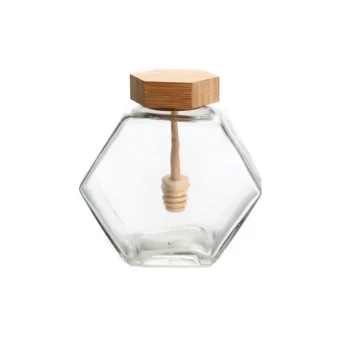
- Hexagonal Glass Honey Jar with Wooden Lid Integrated Dipper Elegant Functional Storage
People Also Ask
- What economic role do honey storage tanks play? Boost Your Revenue Through Strategic Inventory Management
- What roles do industrial honey storage tanks and filtration meshes play in processing? Ensure Purity & Consistency
- What is the purpose of a honey storage tank? Streamline Your Honey Processing for Quality & Efficiency
- What role do settling tanks play in honey production? Achieve Pure, High-Clarity Honey Naturally
- Why are large settling tanks used in the honey clarification process? Achieve Natural Purity & Batch Consistency