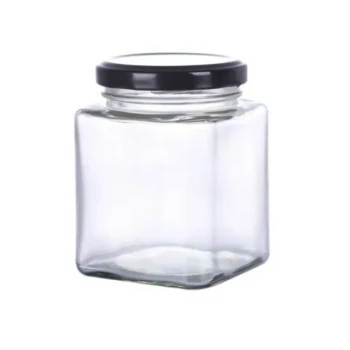
The technical integrity of a honey bottling bucket relies on three fundamental features: food-grade construction, an airtight sealing mechanism, and a dedicated honey gate. While simple in design, these components work in unison to manage honey's high viscosity, allowing the operator to cut the flow cleanly and maintain a sanitary bottling environment.
Core Takeaway Honey’s natural "stringing" and thickness make standard pouring impossible for precise bottling. The bottling bucket solves this through a honey gate, a manual valve that mimics the clean cut-off of industrial machinery to prevent drips, while the airtight vessel ensures the product remains uncontaminated during the process.
The Anatomy of a Bottling Bucket
Material Composition
To ensure safety and compliance, these buckets are constructed from food-grade plastic. This material is non-reactive, ensuring the chemical composition of the honey remains unaltered during storage and bottling. It provides a lightweight yet durable vessel capable of holding the significant weight of honey without deforming.
Environmental Control
An airtight lid is essential for maintaining the honey's quality prior to bottling. Honey is hygroscopic, meaning it absorbs moisture from the air; a proper seal prevents fermentation caused by excess moisture and keeps out dust or pests.
The Mechanism of Precision: The Honey Gate
Controlled Flow Rate
The defining feature of a bottling bucket is the honey gate, a valve typically located at the bottom of the container. This device allows the operator to manually adjust the aperture, regulating the speed at which the honey flows into jars. This control is critical for preventing overfilling and minimizing waste.
Managing Viscosity and Stringing
Honey is notorious for its high viscosity and tendency to "string" (create long, sticky threads) when pouring stops. The honey gate acts as a guillotine, slicing through the stream instantly when closed. This ensures a clean break in the flow, preventing the messy drips that commonly occur with standard ladling or pouring methods.
Understanding the Trade-offs
Manual vs. Automatic Precision
While a bottling bucket with a honey gate significantly improves cleanliness, it relies entirely on gravity and operator skill. In contrast, industrial automatic filling machines use high-precision piston or vacuum systems. These automated systems offer superior weight consistency and eliminate bottle-mouth contamination more effectively than manual gates can.
Speed and Scale
For small-batch apiaries, the bottling bucket is the standard solution. However, as production scales, the manual operation of the gate becomes a bottleneck. It lacks the standardization and speed of automated lines, which are designed to meet strict commercial safety and consistency requirements.
Making the Right Choice for Your Goal
To select the appropriate bottling method for your operation, consider your volume and precision needs:
- If your primary focus is small-scale or artisanal production: Rely on a food-grade bucket with a high-quality honey gate to manage flow and hygiene without the cost of automation.
- If your primary focus is commercial standardization and speed: Move away from manual buckets toward automatic piston or vacuum filling machines to ensure exact net weight consistency and eliminate manual handling errors.
The honey gate is the essential bridge between raw harvesting and professional presentation for the manual bottler.
Summary Table:
| Feature | Technical Function | Benefit for Beekeepers |
|---|---|---|
| Food-Grade Construction | Non-reactive material | Preserves honey purity and ensures food safety compliance. |
| Airtight Lid | Moisture-barrier seal | Prevents fermentation and keeps contaminants out of the honey. |
| Honey Gate Valve | Manual guillotine-style closure | Slices through viscous flow to prevent drips and stringing. |
| Gravity-Fed Design | Controlled aperture | Allows for manual regulation of flow rate into various jar sizes. |
Elevate Your Bottling Operation with HONESTBEE
Whether you are a growing commercial apiary or a global distributor, HONESTBEE provides the industrial-strength tools you need to scale. From precision honey-filling machines and automated hardware to high-quality manual beekeeping equipment and consumables, our comprehensive wholesale portfolio is designed to enhance your efficiency and product presentation.
Ready to transition from manual buckets to high-speed production? Contact us today to discover how our specialized machinery and honey-themed merchandise can drive your business forward.
Related Products
- Food Grade Plastic Honey Bucket Pail for Beekeeping
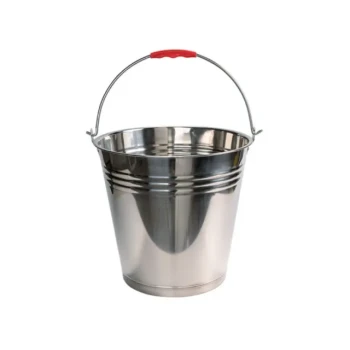
- Premium Stainless Steel Honey Tank Bucket Pail with Reinforced Handle and Polished Finish
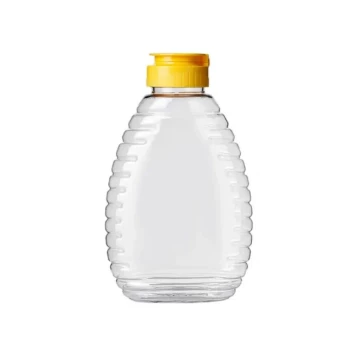
- Classic Beehive Honey Bottle Jar with Squeeze Dispenser Lid
- Plastic Honey Gate Spout with Wing Nut for Beekeeping Honey Bucket
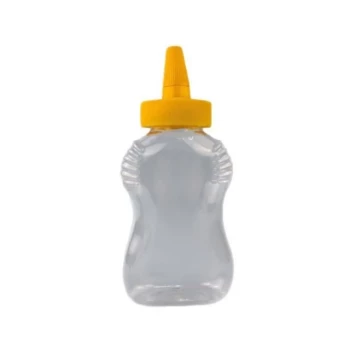
- Ergonomic Squeezable Honey Bottle with Precision Twist Nozzle Cap
People Also Ask
- What key operational precautions should be taken when using honey buckets and extractors fitted with bottom drain taps?
- What functions do food-grade honey buckets perform? Safeguard Your Harvest and Optimize Apiary Logistics
- Why are food-grade plastic buckets preferred for honey? Protect Quality with Modern Honey Collection Tools
- What is the significance of food-grade plastic honey collection buckets? Boost Quality in Forest Honey Logistics
- What is a honey pail? The Essential Container for Protecting Your Honey's Value