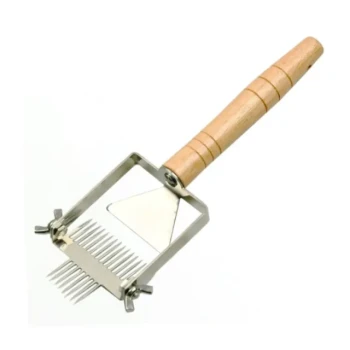
Early honey harvesting introduces significant biological and chemical risks that can compromise your entire inventory. Harvesting before bees have adequately cured the nectar results in a moisture content exceeding the ideal 16-18% threshold. This excess water triggers fermentation, reduces viscosity, and can render a premium crop unsellable as anything other than low-value "baker's honey."
Core Takeaway: Premature harvesting compromises product stability through high moisture content and endangers future yields by depleting colony resources. Success in the professional honey market depends on patience and precise extraction timing to ensure a shelf-stable, high-viscosity product that meets international quality standards.
The Chemical Instability of High-Moisture Honey
Fermentation and Spoilage Risks
When honey is harvested before it is fully "capped" by the bees, its water content remains too high. This excess moisture allows natural yeasts to thrive, leading to active fermentation within the jars or bulk containers.
For distributors, this results in significant waste, gas buildup in packaging, and a product that is legally downgraded to "baker's honey." Our professional expertise ensures that every batch we trade meets the strict moisture requirements necessary for long-term shelf stability.
Viscosity and Texture Degradation
Premium honey is characterized by its thick, slow-pouring consistency. Early-harvested honey has a loose, watery viscosity that fails to meet the sensory expectations of high-end consumers and B2B resellers.
Maintaining a high-viscosity product is essential for maintaining brand reputation and ensuring the honey does not separate or crystallize prematurely. Our sourcing process prioritizes fully cured honey to guarantee the "body" and texture your clients expect.
Impact on Hive Longevity and Future Supply
Winter Survival and Colony Starvation
A sustainable supply chain relies on the health of the bee colonies. Harvesting too early or too aggressively—especially in first-year hives—strips the bees of the food energy they need to survive the winter.
If too much honey is removed, the colony may starve or freeze, leading to total hive loss. This creates a supply gap for the following season, disrupting order fulfillment and long-term sourcing strategies.
The Fragility of New Colonies
New bee colonies must dedicate all resources to population growth and building hive strength. Attempting to harvest from a new colony too early in the season can permanently stunt its development.
By respecting the natural timeline of the hive, we ensure a reliable, multi-year supply of premium honey. Our deep industry knowledge allows us to manage these timelines effectively, balancing rapid delivery with ecological health.
Understanding the Trade-offs of Early Extraction
Speed vs. Market Grade
The primary trade-off in early harvesting is the desire for immediate market entry versus the risk of product failure. While getting honey to market quickly is a priority for cash flow, the financial loss from fermented batches often outweighs the gains of an early start.
Cost of Artificial Replacement
When honey is harvested too early, beekeepers often have to substitute the bees' natural diet with sugar syrups. This adds operational costs and can result in a weaker colony that is more susceptible to disease, potentially compromising future harvests.
How to Apply This to Your Sourcing Strategy
Making the Right Choice for Your Goal
As a one-stop sourcing partner, we provide the expertise needed to navigate these risks while maintaining ultra-fast delivery times once the product is peak-ready.
- If your primary focus is Product Shelf Life: Ensure your suppliers only harvest frames that are at least 90% capped to maintain moisture levels below 18%.
- If your primary focus is Supply Chain Reliability: Prioritize sourcing from established hives where winter stores are guaranteed, ensuring the colony remains productive for years to come.
- If your primary focus is Premium Market Positioning: Reject "baker's grade" honey in favor of high-viscosity, fully cured honey that preserves delicate natural flavors.
Strategic patience in harvesting is the foundation of a premium, stable, and profitable honey portfolio.
Summary Table:
| Risk Factor | Impact on Quality & Supply | Professional Mitigation Strategy |
|---|---|---|
| High Moisture Content | Triggers fermentation; causes gas buildup and spoilage. | Ensure frames are at least 90% capped before extraction. |
| Low Viscosity | Result in a watery texture; downgraded to "baker's honey." | Maintain moisture levels between 16-18% for premium grade. |
| Colony Depletion | Leads to winter starvation and total hive loss. | Balance harvesting with essential colony food reserves. |
| Market Degradation | Loss of brand reputation and financial waste. | Prioritize fully cured honey to ensure long-term shelf stability. |
Secure Your Premium Honey Supply Chain with HONESTBEE
Maximize your profit margins and ensure product reliability with HONESTBEE, your premier one-stop sourcing partner for commercial apiaries and B2B distributors. We provide a full spectrum of professional beekeeping tools, specialized honey-filling machinery, and essential industry consumables designed to meet international quality standards.
Why Partner with Us?
- Comprehensive Portfolio: From hive-making equipment to honey-themed cultural merchandise.
- Industry Expertise: Deep professional knowledge to help you navigate harvesting timelines and product grading.
- Efficiency: Benefit from ultra-fast delivery, rapid response times, and dedicated customer service.
- Wholesale Support: Tailored OEM/ODM services and reliable fulfillment for large-scale operations.
Ready to elevate your inventory quality? Contact us today to explore our wholesale offerings and professional trading services!
Related Products
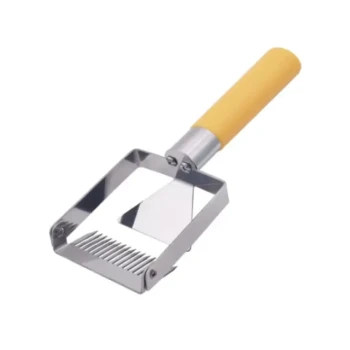
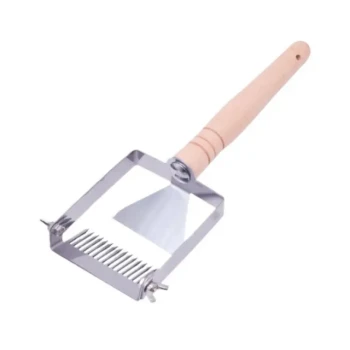
- All-Stainless Steel Pivoting Honey Uncapping Fork for Beekeeping
- Stainless Steel Pivoting Honey Uncapping Fork with Plastic Handle
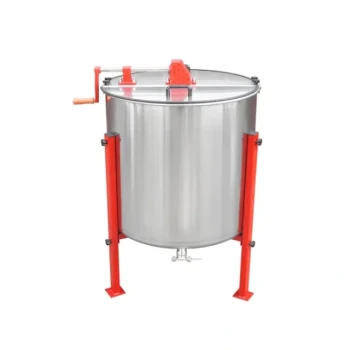
- 6 Frame Manual Stainless Steel Honey Extractor Beekeeping Equipment
- Electric 8 Frame Honey Spinner Extractor Equipment for Beekeeping
- HONESTBEE 2 Frame Manual Acrylic Honey Extractor Beekeeping Equipment
People Also Ask
- How does a honey uncapping fork supplement the use of an uncapping knife? Boost Your Honey Yield and Extraction Efficiency
- What is the design purpose of honey uncapping forks and honey uncapping tanks? Maximize Your Harvest Efficiency
- What are the essential tools for uncapping honey frames? Choose the Right Tool for Your Apiary
- What are the tools used for uncapping honeycombs? Expert Guide to Tools & Functions for Maximum Yield
- What is the primary function of specialized honey uncapping tools? Maximize Your Extraction Yield and Efficiency