Using brood comb creates a direct vector for disease transmission. While the scent of old comb is a powerful attractant for honeybee swarms, it carries the significant danger of introducing pathogens to a new colony. The most critical risk is the spread of Foul Brood, a severe disease that can be transmitted through contaminated equipment.
The use of brood comb offers high attraction potential but poses a severe biological security risk. Unless the comb is explicitly confirmed to be free of pathogens and chemicals, it serves as a vehicle for diseases like Foul Brood that can devastate a captured swarm.
The Mechanism of Risk
The Double-Edged Sword of Scent
Brood comb is highly effective at baiting swarm traps because it carries a strong, distinct scent. This olfactory signal indicates a previous habitation, which makes the trap highly appealing to scout bees looking for a new home.
However, the properties that make the comb attractive—its ability to absorb and hold material—are exactly what make it dangerous.
Pathogen Transmission
The primary danger lies in the comb's history. If the hive from which the comb was harvested carried disease, the comb acts as a biological vessel for those pathogens.
Placing infected comb into a trap does not just risk the swarm; it guarantees the new colony is exposed to the disease immediately upon arrival.
The Specific Threat of Foul Brood
The primary reference explicitly identifies Foul Brood as the major concern. This disease is highly contagious and destructive.
Because pathogens can remain viable in comb for long periods, using old equipment without knowing its full history is a gamble with the health of your apiary.
Critical Safety Protocols
Verifying Hive Health
To mitigate the risk of disease, you must strictly control the source of your bait. You cannot assume that comb is safe simply because it looks clean.
Beekeepers must ensure that any brood comb used for baiting is obtained exclusively from clean, uninfected hives.
Avoiding Chemical Contamination
Beyond biological pathogens, there is a risk of chemical exposure. The primary reference highlights the necessity of using chemical-free hives.
Comb accumulates residues from treatments and environmental exposures over time. Using chemically contaminated comb can introduce toxins to the new swarm, potentially weakening their immune systems or affecting their viability.
Ensuring Safe Deployment
The Necessity of Traceability
You must know the provenance of every frame you place in a trap. Using found equipment or frames from a collapsed colony of unknown cause is a violation of basic biosecurity.
If you cannot verify the history of the comb, the risk of transmission outweighs the benefit of attraction.
Determining "Clean" Status
"Clean" does not just mean visually empty of dead bees. It means the donor colony showed no clinical signs of disease.
Verification involves active monitoring of the donor hive to confirm it is free of Foul Brood and other transmissible conditions before harvesting frames for traps.
Making the Right Choice for Your Goal
If your primary focus is Maximum Attraction:
- Use brood comb to leverage its powerful scent, but only if you can verify with 100% certainty that the source hive is disease-free.
If your primary focus is Biosecurity:
- Reject any brood comb that has an unknown history or comes from a hive that has been treated with persistent chemicals.
Ultimately, the effectiveness of brood comb as bait never justifies the risk of infecting a new colony with Foul Brood.
Summary Table:
| Risk Factor | Impact on Swarm | Mitigation Strategy |
|---|---|---|
| Foul Brood Pathogens | Highly contagious; can devastate the new colony. | Only use comb from verified disease-free hives. |
| Chemical Residues | Weakens immune systems and affects colony viability. | Avoid comb from hives treated with persistent chemicals. |
| Unknown History | High risk of introducing hidden biological threats. | Never use frames from collapsed or found colonies. |
| Scent Attraction | High scout bee interest (Positive). | Balance attraction with strict biosecurity protocols. |
Secure Your Apiary Growth with HONESTBEE
Protecting your honeybee colonies starts with the right equipment and biosecurity practices. HONESTBEE is dedicated to supporting commercial apiaries and distributors with premium, high-quality beekeeping solutions. From honey-filling machines and hive-making hardware to a full spectrum of beekeeping tools and consumables, we provide everything you need to scale your operations safely.
Don't let contaminated equipment risk your investment. Partner with a supplier that understands the needs of professional beekeeping.
Ready to upgrade your wholesale supply? Contact us today to explore our comprehensive product portfolio!
Related Products
- Heart-Shaped Comb Honey Frame and Honeycomb Cassette
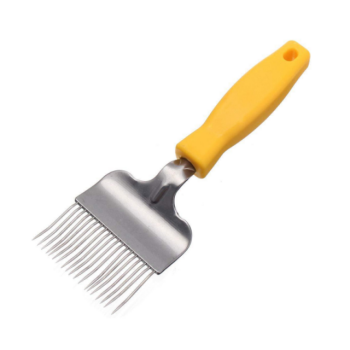
- Professional Bent Tine Honey Uncapping Fork with Ergonomic Grip
- Professional Wide Blade Honey Scraper for Beekeeping and Honey Processing
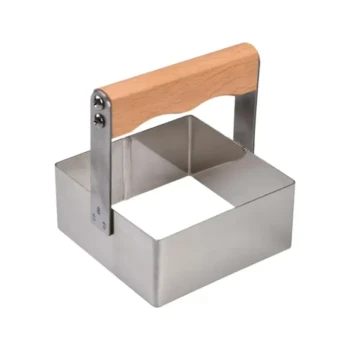
- Heavy Duty Stainless Steel Honeycomb Cutter
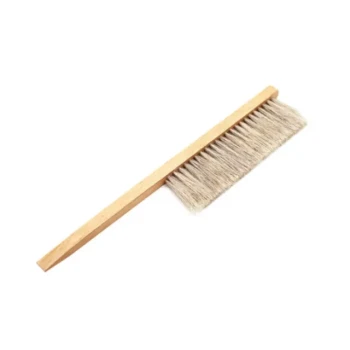
- Wooden Bee Brush with Double-Row Horsehair Bristles
People Also Ask
- How are honeybee combs utilized for non-destructive colony monitoring? Master Population Density Tracking
- What is a honeycomb frame? The Key to Modern, Sustainable Beekeeping
- What is the technical purpose of exchanging honeycomb frames? Master Apiary Equalization for Growth
- What frame to use for honeycomb? Choose the Right System for Pure, Edible Comb
- What is the significance of sampling honeycomb frames and hive bottoms? A Guide to Scientific Sanitation Monitoring