The primary risks associated with using smoke in beekeeping involve physical harm to the colony, degradation of the honey crop, and operational safety hazards. Improper technique, particularly the use of hot, dark smoke or toxic fuels, can cause respiratory distress to bees, physically burn their wings, and permanently ruin the flavor of honey through odor absorption.
Core Takeaway While smoke is a vital tool for suppressing defensive behavior, its misuse turns a safety measure into a liability. Preventing harm requires strictly using cool, white smoke derived from natural, non-toxic fuels to protect the colony's health and the harvest's integrity.
Risks to Colony Health and Physiology
Respiratory Distress
The most immediate risk to the biological health of the hive is respiratory distress. Applying excessive amounts of smoke overwhelms the bees' respiratory systems.
This risk extends to the beekeeper as well. Inhaling thick, dark smoke during inspections can lead to respiratory issues for the operator.
Physical Burns and Injury
Smoke that is expelled at high temperatures poses a severe physical threat. If the smoke contains sparks or is simply too hot, it can burn the bees upon contact.
Bees' wings are particularly vulnerable to thermal damage. "Quality smoke" must be cool enough to puff directly onto the back of a bare hand without discomfort; anything hotter risks injuring the colony.
Toxic Fume Exposure
The choice of fuel is a critical safety factor. Burning treated materials or synthetic substances creates toxic fumes that can poison the colony.
To mitigate this, you must only use natural fuels. The primary reference recommends materials such as dry pine needles, wood chips, or organic burlap.
Impact on Product Quality
Flavor Contamination
Smoke does not just vanish; it leaves a residue. Beeswax is highly absorbent and acts like a sponge for environmental odors.
If a beekeeper uses excessive smoke, the odor will permeate the wax comb. This eventually leaches into the honey, ruining its natural taste and rendering the harvest unpalatable.
Operational Hazards
Fire Safety
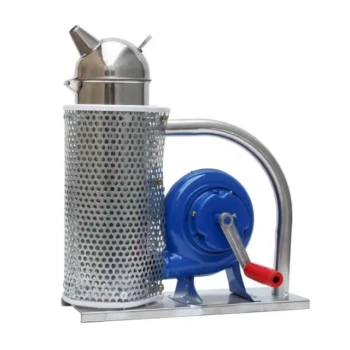
A smoker is essentially a metal canister containing a controlled fire. There is an inherent risk of fire whenever working with an open flame in an apiary setting.
A smoker can easily be knocked over during an inspection. If it falls onto dry grass or other combustible materials, it can ignite a fire that threatens the apiary and the surrounding environment.
Understanding the Trade-offs
The Necessity of Suppression
Despite the risks, eliminating smoke entirely is rarely the correct solution. Without smoke to mask alarm pheromones, colonies often exhibit a stronger defensive response.
This increases the likelihood of stinging incidents and makes the bees harder to manage. A calm colony allows for safer inspections, resulting in fewer bees being accidentally crushed during hive manipulation.
The "Quality Smoke" Standard
The solution lies in the quality of the smoke, not its absence. The goal is to produce a cool, white smoke rather than a hot, dark cloud.
Dark smoke usually indicates incomplete combustion or improper fuel packing, which leads to sparks and heat. Cool smoke provides the necessary calming effect without the thermal or chemical damage described above.
Making the Right Choice for Your Goal
To manage these risks effectively, apply the following protocols based on your specific objective:
- If your primary focus is Harvest Quality: Use smoke sparingly and only at the entrance during honey flow seasons to prevent the wax from absorbing smoke odors.
- If your primary focus is Colony Safety: Always test the smoke temperature on your bare hand before directing it at the bees to prevent burning their wings.
- If your primary focus is Operational Safety: Use only organic, untreated fuels (like pine needles or burlap) and ensure the smoker is placed on a non-combustible surface when not in hand.
Mastering the smoker is about temperature control and moderation, ensuring the tool protects the hive rather than harming it.
Summary Table:
| Risk Category | Potential Impact | Prevention Strategy |
|---|---|---|
| Colony Health | Respiratory distress, burnt wings, or poisoning | Use cool, white smoke and natural, untreated fuels. |
| Product Quality | Honey flavor contamination and waxy odors | Minimize smoke use during harvest; avoid over-smoking supers. |
| Operational Safety | Apiary fires and respiratory issues for keepers | Place smoker on non-combustible surfaces; avoid dark, acrid smoke. |
| Bee Behavior | Increased defensiveness if smoke is insufficient | Master the balance of masking pheromones without causing panic. |
Elevate Your Apiary Management with HONESTBEE
At HONESTBEE, we understand that professional beekeeping requires precision tools that prioritize colony health and harvest integrity. Whether you are a commercial apiary or a global distributor, we provide the high-quality equipment you need to succeed.
How we add value to your business:
- Comprehensive Wholesale Range: From durable smokers and protective gear to specialized hive-making and honey-filling machinery.
- Industry Expertise: We supply essential consumables and hardware designed to withstand the rigors of commercial use.
- Brand Growth: We offer honey-themed cultural merchandise to help you expand your retail footprint.
Don't let improper equipment compromise your honey quality. Partner with a supplier that understands the science of beekeeping.
Contact HONESTBEE Today to Discuss Wholesale Solutions
Related Products
- Professional Bee Smoker with Elongated Spout and Durable Bellows for Beekeeping
- Stainless Steel Honey Bee Smoker Hive and Honeycomb Smoker for Beekeeping
- Miniature Stainless Steel Bee Smoker for Beekeeping
- Galvanized Beekeeping Smoker for Honey Bee and Apiculture
- Premium Traditional Copper Bee Smoker with Bellows
People Also Ask
- What roles do bee smokers and precision tools play in honey harvesting? Master Safety and Quality Control
- Why is a professional bee smoker considered an essential tool for hive management and safety? Master Colony Control.
- Why is the use of professional bee smokers and specialized fuel essential? Protect Honey Purity & Colony Safety
- Why is a professional bee smoker essential for hive maintenance? Master Colony Control & Safety
- How do professional bee smokers facilitate bee management? Enhancing Forest Beekeeping Safety and Efficiency