Dual parasitism by Varroa and Tropilaelaps is a high-risk, compounding threat to honey bee colonies. Tropilaelaps can reproduce rapidly in capped brood, while Varroa damages developing and adult bees and transmits viral pathogens. Together, they reduce bee weight, shorten lifespan, impair foraging, weaken brood production, and can drive rapid colony decline unless detection and control begin early.
The main danger is not simply having two mite species—it is the interaction between them. A monitoring-led integrated pest management program, supported by correctly selected miticides, sanitation, and brood-management tools, gives commercial apiaries the best chance of preventing mite pressure from becoming colony loss.
Why Dual Mite Pressure Is Especially Dangerous
Two parasites attack the same colony system
Varroa destructor feeds on developing and adult bees and is an important vector of viral disease, including Deformed Wing Virus. Tropilaelaps primarily exploits developing brood and can multiply quickly where suitable capped brood is continuously available.
The result is a colony facing simultaneous damage to both its current adult workforce and its next generation of bees.
Tropilaelaps can mask the apparent Varroa problem
When both species are present, Tropilaelaps may suppress or displace part of the Varroa population. This can make Varroa counts appear less alarming than the colony’s overall parasite burden actually is.
A low Varroa reading therefore does not prove that the colony is safe. Monitoring must consider both mite species, brood condition, adult bee vitality, and signs of viral or secondary disease.
Colony productivity declines before collapse
Mite-damaged bees are weaker, live for less time, and forage less efficiently. Commercial consequences include reduced nectar collection, weaker pollination performance, reduced wintering strength, and lower replacement capacity.
Colony collapse may be preceded by a prolonged productivity decline, making regular surveillance essential for protecting both bee stocks and honey yields.
How to Detect Risk Before Colony Loss
Use repeatable monitoring rather than visual inspection alone
Mites can remain hidden in capped brood or below visible colony surfaces. Beekeepers should use dedicated monitoring methods such as sticky bottom boards and wash-testing equipment, supported by systematic brood and adult-bee inspections.
The objective is to establish a trend over time, not to rely on a single inspection. Record results by apiary, hive, date, treatment, and follow-up count.
Inspect brood for combined damage
Look for irregular brood patterns, abnormal or weakened emerging bees, reduced brood viability, and evidence of parasitism. These observations are particularly important when Varroa levels seem modest but colony strength is declining.
Monitoring equipment should be paired with good inspection gear, lighting, protective clothing, and hive-handling tools so examinations can be completed efficiently and with minimal colony disturbance.
Treat movement and equipment as biosecurity risks
Mites and pathogens can spread through drifting and robbing bees, colony movement, shared equipment, and imported or second-hand hive materials. Uncontrolled movement of queens, colonies, and comb can introduce pests into previously clean apiaries.
Use quarantine procedures for incoming stock, maintain site-specific tools where practical, and disinfect or appropriately treat reused equipment. Internal feeders are preferable to open feeding systems when feeding is necessary because they reduce robbing-related transmission risk.
Control Tools That Support Integrated Management
Select miticides for the actual pest situation
Miticides should be selected according to the target species, local regulations, label instructions, honey-flow conditions, temperature limitations, and resistance-management requirements. A product effective against Varroa should not automatically be assumed to provide adequate Tropilaelaps control.
Correct application matters as much as product selection. Precision applicators, dosing tools, protective equipment, and clear treatment records help reduce under-treatment, overexposure, residue risks, and avoidable damage to bees.
Combine chemical and non-chemical measures
Chemical treatment is only one part of a durable program. Drone brood removal frames, brood interruption, appropriate queen-management methods, sanitation, and other locally approved cultural controls can reduce available breeding habitat or interrupt mite reproduction.
These tools should complement—not replace—monitoring and properly authorized treatments. Their effectiveness depends on correct timing, consistent use, and the biology of the mite species present.
Use queen excluders strategically
Queen excluders can support brood-management strategies by controlling queen access to selected parts of the hive. In some operating systems, this may help create brood interruption or organize inspections and treatment placement.
However, an excluder is not a stand-alone mite treatment. It must be used as part of a planned brood and queen-management protocol that does not restrict colony expansion or create unnecessary congestion.
Improve hive handling and inspection efficiency
Well-maintained hive structures, ventilation components, ergonomic handling equipment, and sanitary hardware reduce management stress and make timely interventions more practical. Faster, cleaner inspections are particularly valuable for commercial operators managing many colonies across multiple sites.
Operational equipment should support accurate treatment placement without spreading contamination from one hive or apiary to another.
Understanding the Trade-offs
Monitoring adds labor but reduces uncertainty
Wash tests, sticky boards, brood inspections, and recordkeeping require time and trained personnel. That cost is usually lower than the cost of emergency treatments, weakened overwintering colonies, lost honey production, or replacement stock.
For distributors and commercial apiaries, standardized monitoring kits and clear operating procedures can make surveillance more consistent across teams and locations.
Treatments can harm colonies when misapplied
Incorrect concentration, timing, temperature exposure, or repeated use of the same active ingredient can stress bees and contribute to treatment failure or resistance. Treatments may also create residue concerns if used outside label requirements.
Every application should follow the product label and applicable veterinary or agricultural regulations. Treatment decisions should be based on monitoring rather than routine, indiscriminate chemical use.
Single-tool programs are vulnerable
Relying only on Varroa counts, only on a chemical treatment, or only on drone brood removal creates blind spots. Dual parasitism requires a multi-layered program that combines surveillance, species-appropriate control, brood management, sanitation, and biosecurity.
No equipment portfolio can compensate for poor timing or inconsistent implementation. Tools are valuable when they form a repeatable operating system.
Supply interruptions can extend the infestation window
Commercial apiaries may need monitoring consumables, treatment applicators, replacement frames, hive hardware, protective equipment, and sanitation supplies at the same time. Delayed fulfillment can postpone interventions during critical brood or treatment windows.
A reliable supplier should therefore provide broad product coverage, rapid response, accurate order fulfillment, and technical support—not merely individual products.
How to Apply This to Your Apiary or Supply Program
A practical control program should connect early detection, appropriate treatment, physical management, and biosecurity.
- If your primary focus is early detection: Standardize sticky-board, wash-test, and brood-inspection procedures, then maintain hive-level records that reveal rising mite pressure before visible colony failure.
- If your primary focus is treatment effectiveness: Select products approved for the relevant mite species and application conditions, use accurate applicators, rotate control approaches where appropriate, and verify results after treatment.
- If your primary focus is non-chemical control: Combine drone brood removal, planned brood or queen management, sanitation, and suitable hive hardware with—not instead of—monitoring and authorized treatments.
- If your primary focus is commercial continuity: Source monitoring kits, miticides, frames, inspection equipment, protective consumables, and sanitation supplies through a dependable one-stop partner with rapid fulfillment and responsive technical service.
- If your primary focus is biosecurity: Quarantine incoming colonies and queens, limit equipment sharing between apiaries, control robbing, and disinfect or properly treat reused hive materials.
With disciplined monitoring and an integrated, well-supplied control program, beekeepers can turn dual mite pressure from a hidden colony-wide threat into a manageable operational risk.
Summary Table:
| Risk Factor | Impact | Detection & Prevention |
|---|---|---|
| Compounding damage | Simultaneous attacks on brood and adult bees lead to rapid decline | Regular combined monitoring for both mites and virus symptoms |
| Masked Varroa counts | Tropilaelaps may suppress Varroa, hiding true severity | Use wash tests and sticky boards designed for both species |
| Productivity loss | Weaker bees, reduced foraging, and lower yields | Early intervention with approved miticides and cultural controls |
| Biosecurity gaps | Spread via movement, equipment, or robbing | Quarantine new stock, disinfect tools, and limit sharing |
| Incorrect treatment | Misapplication harms bees and triggers resistance | Follow label, rotate actives, and verify efficacy post-treatment |
Protect Your Apiary from Dual Mite Threats – Partner with HONESTBEE Today
At HONESTBEE, we supply commercial apiaries and distributors with the comprehensive tools needed to combat dual mite pressure effectively. From monitoring kits and precision applicators to brood management frames and sanitation supplies, our one-stop portfolio ensures you're never unprepared. We offer OEM/ODM support, rapid fulfillment, and dedicated technical service to keep your operations running smoothly.
Contact us now to secure a resilient supply chain and safeguard your colonies.
Related Products
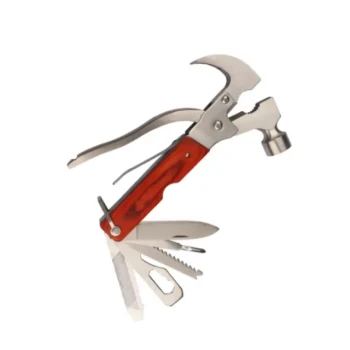
- HONESTBEE 15-in-1 Beekeeper Multi-Tool with Hammer and Pliers for Beekeeping
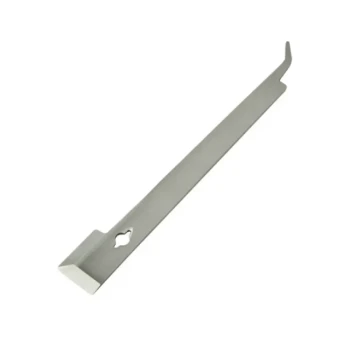
- Stainless Steel J Hook Hive Tool for Beekeeping
- Stainless Steel Queen Grafting Tool for Beekeeping and Bee Queen Grafting
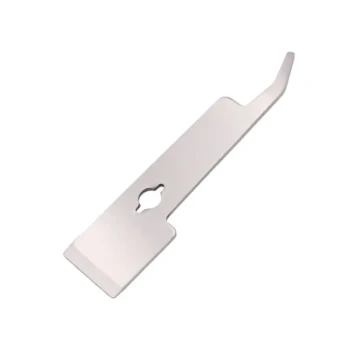
- HONESTBEE Professional Mini J-Hook Hive Tool for Beekeeping
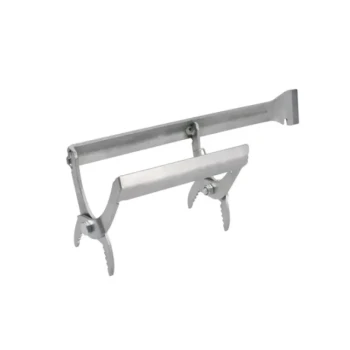
- Multi-Function Plier-Style Frame Grip Hive Tool
People Also Ask
- What is the recommended method for storing beekeeping tools? Expert Vertical Storage Solutions for Your Apiary
- Why is the treatment of beekeeping tools with high-concentration chemical disinfectants necessary for preventing AFB?
- How does a favorable microclimate interact with beekeeping tools? Boost Overwintering Success and Equipment Longevity
- What role do specialized beekeeping tools play in pest management? Enhance Apiary Health with Precision Tech
- How do specialized beekeeping tools and high-specification protective equipment assist in colony health management?