Handling a bee smoker requires constant vigilance regarding extreme heat and fire management. Because the metal exterior can become dangerously hot, you must be precise about where you place it during operation. Furthermore, safe storage is impossible until the fire is completely extinguished and the unit has cooled down significantly.
The core objective of smoker safety is managing the dual risks of personal injury from contact burns and the accidental ignition of the surrounding environment through improper ash disposal.
Operational Safety and Handling
Managing Surface Heat
The metal exterior of a smoker absorbs intense heat from the combustion inside. Be extremely careful where you place the smoker while working the hive to avoid burning yourself or melting protective gear. Never place it on a surface that cannot withstand high temperatures.
utilizing Heat Shields
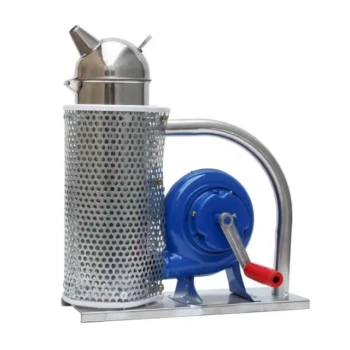
When selecting equipment, prioritize a model equipped with a metal heat shield (a wire cage) surrounding the fire chamber. This creates a safety barrier that significantly reduces the risk of accidental contact burns during operation.
Avoiding Toxic Fumes
Safety extends to the air you and the bees breathe. Never burn materials known to be toxic, such as the Brazilian Pepper tree. Always verify that your chosen fuel source is safe for combustion to prevent respiratory harm.
Fire Prevention Protocols
Emergency Preparedness
Accidents can happen quickly in an apiary. Always keep several gallons of water and potentially a fire broom within reach while the smoker is lit. Immediate access to these tools is your first line of defense against an escaped spark.
Operating in High-Risk Conditions
During periods of extreme fire danger, the safest smoker strategy is often to not use one at all. In these conditions, consider using alternative smoke-generating devices or simply spritzing the bees with water instead of risking an open flame.
Proper Extinguishing and Storage
Ensuring Total Extinguishment
Before you even consider storing the device, the fire must be completely out. Never dump hot ashes onto the ground. Ashes should be thoroughly wetted down or buried to ensure no embers remain active.
The Cooling Period
The primary reference dictates that the metal must have adequate time to cool down before storage. Storing a hot smoker can lead to fire hazards in your vehicle or storage shed.
Safe Transport
For transport and storage, place the cooled smoker inside a small metal garbage can with a tight-fitting lid. This contains the smell and provides a final failsafe against any residual heat or ash escaping.
Common Pitfalls to Avoid
Misjudging "Cool" Ashes
A common mistake is assuming ashes are safe because they no longer produce visible smoke. Embers can smolder for hours. Always verify heat levels manually or use water to guarantee the reaction has stopped before disposal.
Overpacking the Fuel
While not an immediate safety hazard, packing fuel too tightly prevents proper burning, while packing it too loosely causes it to burn too fast and hot. Moderate packing ensures a controllable, consistent burn that is easier to manage safely.
Making the Right Choice for Your Goal
To ensure safety without compromising your beekeeping, apply the following based on your immediate environment:
- If your primary focus is preventing personal injury: Prioritize buying a smoker with a heat shield and always wear protective gloves when handling the canister.
- If your primary focus is fire prevention: Transport your smoker in a sealed metal can and switch to water spritzing during dry, high-wind days.
Treat your smoker not just as a tool, but as a contained fire that requires respect and active management until it is cold to the touch.
Summary Table:
| Safety Category | Key Precaution | Actionable Tip |
|---|---|---|
| Handling | Surface Heat Management | Use a smoker with a wire heat shield to prevent contact burns. |
| Fuel Choice | Toxic Fume Prevention | Avoid toxic plants like Brazilian Pepper; use organic, safe fuel. |
| Emergency | Fire Preparedness | Keep several gallons of water and a fire broom nearby. |
| Storage | Total Extinguishment | Douse ashes with water and store in a sealed metal container. |
| Risk Control | High-Danger Conditions | Switch to water spritzing instead of fire during dry or windy days. |
Secure Your Apiary with Professional-Grade Equipment
At HONESTBEE, we understand that safety is the foundation of a successful beekeeping operation. Whether you are a commercial apiary managing thousands of hives or a distributor seeking reliable supplies, we provide the high-quality, safety-enhanced tools you need. Our smokers are designed with robust heat shields and durable materials to withstand rigorous use while protecting the user.
From advanced hive-making machinery and honey-filling systems to essential industry consumables and honey-themed merchandise, HONESTBEE is your comprehensive wholesale partner. Let us help you scale your business with equipment that prioritizes performance and safety.
Ready to upgrade your inventory? Contact us today to explore our full wholesale catalog!
Related Products
- Stainless Steel Honey Bee Smoker Hive and Honeycomb Smoker for Beekeeping
- Professional Bee Smoker with Elongated Spout and Durable Bellows for Beekeeping
- Premium Traditional Copper Bee Smoker with Bellows
- Heavy Duty Manual Bee Smoker Blower for Beekeeping
- European Stainless Steel Bee Smoker for Honey Bee Hive
People Also Ask
- What are bee smokers made out of? Choose the Right Material for Your Apiary
- What type of bee smoker is recommended for a beginner? Top Picks for Easy Hive Management
- Why is a stainless steel bee smoker considered indispensable? Master Hive Management with Cool Smoke Technology
- Why is a specialized bee smoker considered a critical tool for apiary safety? Master Hive Control & Productivity
- What is the best material for a bee smoker? Choose the Right Fuel for a Calm Hive