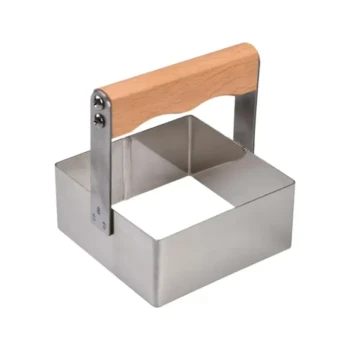
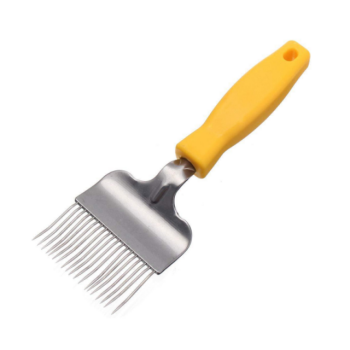
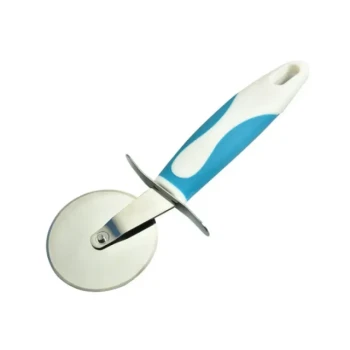
A comb crusher serves specific niche roles in an apiary where standard centrifugal extraction is impractical or impossible. Its primary applications are extracting honey from hives that lack wired frames (such as Warre hives), recovering honey from wax byproducts like uncappings and burr comb, and processing small micro-harvests consisting of only a few frames.
Core Takeaway While not a replacement for centrifugal extractors in large operations, the comb crusher is the definitive tool for foundationless beekeeping and byproduct management. It allows for efficient honey recovery from structural wax that cannot withstand spinning or is too irregular for standard machinery.
Targeted Applications for Comb Crushers
Processing Foundationless Frames
Hives that rely on natural comb building without wire reinforcement, such as Warre hives, present a unique challenge. The wax in these frames is often too fragile to withstand the centrifugal force of a spinning extractor.
A comb crusher mechanically breaks down the comb structure. This allows you to release the honey without relying on the structural integrity provided by frame wire.
Recovering Honey from Byproducts
During hive inspections and standard extraction, beekeepers accumulate "burr comb" (rogue wax structures) and cappings (the wax seals cut off honeycomb). These materials are often rich in honey that is difficult to separate.
Using a crusher on these byproducts breaks up the wax matrix effectively. This ensures you extract the maximum amount of honey from material that might otherwise be discarded or rendered down inefficiently.
Micro-Batch Extraction
Setting up, sanitizing, and cleaning a large radial or tangential extractor is labor-intensive. It is often inefficient for very small harvests.
If you are processing only a few frames, a comb crusher offers a streamlined alternative. It provides a rapid method for extraction with significantly less cleanup time than heavy machinery requires.
Understanding the Trade-offs
Destruction of Drawn Comb
The most significant limitation of a comb crusher is that it destroys the honeycomb. Unlike spinning, which preserves the comb for reuse, crushing reduces it to a mash.
This requires the bee colony to expend significant energy and resources (honey) to rebuild the wax from scratch. This can slow down future honey production compared to reusing drawn comb.
Filtration Requirements
Honey extracted via crushing contains a high volume of wax particles and debris.
Consequently, the post-extraction process requires more rigorous straining or a longer settling period to achieve clear honey.
Determining the Right Tool for Your Apiary
To decide if a comb crusher fits your workflow, consider your specific hive configurations and production goals:
- If your primary focus is managing Warre or foundationless hives: The comb crusher is essential, as it extracts honey without requiring the wire support necessary for spinning.
- If your primary focus is waste reduction: Use this tool to reclaim honey from cappings and burr comb that cannot be processed in a standard extractor.
- If your primary focus is preserving drawn comb: Avoid using a crusher on your main frames, as saving the wax structure is critical for maximizing honey yields in standard Langstroth setups.
The comb crusher is not a substitute for a spinner, but a specialized instrument for specific hive types and maximum resource recovery.
Summary Table:
| Application | Target Material | Primary Benefit |
|---|---|---|
| Foundationless Extraction | Warre hives, unwired frames | Extracts honey from fragile wax without spinning |
| Byproduct Recovery | Cappings, burr comb, rogue wax | Maximizes yield by reclaiming honey from waste |
| Micro-Batch Processing | Small frame counts | Significantly reduces setup and cleanup time |
| Resource Optimization | Irregular wax structures | Ensures no honey is lost from non-standard comb |
Scale Your Apiary Operations with HONESTBEE
Are you looking to optimize your honey production or source premium beekeeping equipment at scale? HONESTBEE caters to commercial apiaries and distributors with a comprehensive wholesale offering. We supply the full spectrum of beekeeping tools, machinery, and equipment—from specialized hardware like comb crushers and honey-filling machines to essential industry consumables.
Our portfolio covers everything your business needs to succeed, including hive-making machinery and honey-themed cultural merchandise. Contact us today to learn how our high-quality equipment and wholesale expertise can enhance your operational efficiency and bottom line!
Related Products
- Heavy Duty Stainless Steel Honeycomb Cutter
- Professional Bent Tine Honey Uncapping Fork with Ergonomic Grip
- Professional Wide Blade Honey Scraper for Beekeeping and Honey Processing
- Professional Rolling Wax Cutter with Ergonomic Handle
- Electric Honey Press Machine for Squeezing Honey Comb Press Equipment
People Also Ask
- How is a comb cutter used to produce cut comb honey? Master the Art of Precision Harvesting
- Why is the comb-cutting technique preferred for Apis cerana queen rearing? Boost Success with Natural Bee Biology
- What is the cut comb honey method? A Guide to Pure, Artisanal Honey Production
- How is the cut comb method used to harvest honey? Master the Art of Premium Unprocessed Honey Production
- What is cut comb honey, and how is it prepared? Experience Honey in Its Purest Form