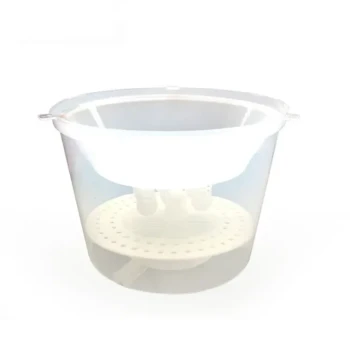
The primary function of a pollen trap is to act as a physical interception tool that systematically collects biological samples from the environment.
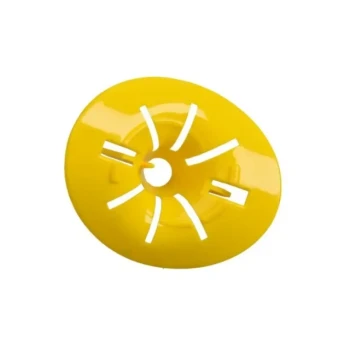
It operates by forcing returning forager bees to crawl through a grid with specifically sized holes—often star-shaped—which mechanically scrapes pollen pellets from their hind legs into a collection tray. This hardware allows for the continuous, non-destructive acquisition of quantitative data regarding local floral resources without harming the bees or compromising honey storage.
Core Insight: A pollen trap transforms a beehive from a simple agricultural unit into a bio-monitoring station. By mechanically separating pollen from foragers, it provides hard data on environmental resource abundance and botanical diversity while maintaining the colony's normal developmental trajectory.
The Mechanics of Interception
To understand the utility of the trap, you must first understand the mechanical principle it relies on.
Physical Separation via Grids
The core component of the trap is an interception grid placed directly in the flight path at the hive entrance. This grid utilizes specific pore sizes or apertures designed to be just large enough for a worker bee to pass through, but too narrow for the pollen loads attached to their legs.
Automated Sample Harvesting
As the bees struggle through these barriers, the mechanical friction dislodges the pollen pellets (corbicular pollen) from the bees' pollen baskets. These pellets fall via gravity into a secured drawer or tray, allowing for real-time harvesting without requiring the beekeeper to open the hive or handle the insects manually.
The Role in Source Monitoring
While the mechanical action is simple, the strategic value lies in the data the captured pollen provides regarding the surrounding ecosystem.
Quantifying Resource Abundance
The volume of pollen collected serves as a direct metric for foraging intensity. By weighing the samples collected over a set period, researchers can quantitatively assess the abundance of local environmental resources available to the colony.
Botanical Origin Analysis
The trapped pellets provide large-scale, representative samples of the flora within the bees' flight range. Because the samples are fresh and distinct, they allow for precise taxonomic studies to identify exactly which plant species are supporting the colony at any given time.
Chemical and Pesticide Profiling
Beyond identifying plants, these samples are essential for chemical analysis. Because the trap captures pollen immediately upon return from the field, it allows for the precise measurement of actual pesticide exposure or environmental contaminants present in the local area on a specific day.
Operational Trade-offs
While the primary reference notes that these tools do not negatively impact colony development, a technical advisor must note the nuance in application.
Balancing Collection with Colony Needs
The device relies on a specific efficiency rate. The goal is to strip enough pollen for a statistically significant sample while allowing enough pollen to bypass the trap so the colony can feed its brood.
Non-Destructive Monitoring
Unlike internal hive sampling, which disrupts the colony's thermoregulation and organization, entrance traps are non-invasive. They allow for long-term, longitudinal studies of honey and pollen sources without acting as a stressor that alters the very behavior you are trying to observe.
Making the Right Choice for Your Goal
When integrating pollen traps into your monitoring project, align your usage with your specific data requirements.
- If your primary focus is Botanical Diversity: Prioritize traps that function continuously to capture the full spectrum of blooming plants throughout the day.
- If your primary focus is Environmental Health: Use the trap to gather daily batches for chemical analysis to pinpoint exact windows of pesticide application or exposure.
Ideally, the pollen trap should be viewed not just as a harvesting tool, but as a precision sensor for ecosystem analysis.
Summary Table:
| Feature | Primary Function | Strategic Benefit |
|---|---|---|
| Interception Grid | Mechanically scrapes pollen from foragers | Non-destructive, automated sampling |
| Sample Tray | Collects pellets for regular harvesting | Prevents contamination of data samples |
| Data Monitoring | Tracks volume and botanical origins | Quantifies floral abundance & pesticide exposure |
| Operational Logic | Strategic bypass for colony nutrition | Balances data collection with hive health |
Maximize Your Apiary’s Potential with HONESTBEE
At HONESTBEE, we specialize in empowering commercial apiaries and distributors with the high-precision tools needed for modern beekeeping. Whether you are conducting environmental research or scaling up production, our comprehensive wholesale portfolio offers everything from specialized hive-making and honey-filling machinery to high-quality pollen traps and essential consumables.
Partner with us to access professional-grade beekeeping equipment and cultural merchandise tailored to your business needs. Contact HONESTBEE today to discover how our wholesale solutions can streamline your operations and enhance your market presence.
References
- El-Kazafy A. Taha, Saad N. Al-Kahtani. Nectar and pollen sources for honeybees in Kafrelsheikh province of northern Egypt. DOI: 10.1016/j.sjbs.2017.12.010
This article is also based on technical information from HonestBee Knowledge Base .
Related Products
- Removable Plastic Pollen Trap With Ventilated Tray for Bees Pollen Collector
- 30 cm Plastic Entrance Hole Bee Pollen Trap and Collector
- Plastic Bee Pollen Trap Strips Comb Catcher Collector
- High-Efficiency Diamond Maze Bee Escape for Clearing Supers
- 8 Frame and 10 Frame Propolis Trap Collector Screen for Propolis Collection
People Also Ask
- What are the design principles and advantages of pollen traps in the collection of bee pollen? Boost Your Apiary Yield
- What is the function of professional pollen traps in evaluating honey plants? Quantifying Pollination and Crop Potential
- What functions do pollen traps serve for bee bread production? Optimize Your Raw Material Collection
- What maintenance and pest prevention measures should be taken for pollen traps? Protect Your Hive and Harvest Quality
- How does the use of pollen traps in honeybee hives enhance crop fertilization? Boost Your Yield Through Induced Activity