Eco-friendly packaging materials and labeling consumables perform a dual function in beekeeping: they act as physical agents for reducing environmental impact and as informational carriers for circular design concepts. Specifically, labeling is responsible for displaying critical data such as Geographic Indications (GI), biological standards, and environmental footprints. Meanwhile, the use of recyclable or biodegradable containers minimizes the footprint of the distribution cycle, ensuring the physical product aligns with the brand's environmental protection principles.
In beekeeping circular design, packaging is not merely a container; it is a strategic interface that validates the product's integrity by minimizing waste while simultaneously communicating origin and sustainability standards to the consumer.
The Strategic Role of Labeling Consumables
Communicating Geographic Indications (GI)
Labeling consumables serve as the primary carrier for Geographic Indications. This function is critical for establishing the authenticity of honey products and linking them to specific territories or production methods.
Verifying Biological Standards
Labels function as the proof of compliance for biological standards. By displaying these certifications clearly, the labeling verifies that the biological integrity of the bee products has been maintained throughout production.
Revealing Environmental Footprints
Modern circular design requires transparency regarding the product's lifecycle. Labeling consumables are the specific medium used to display environmental footprints, allowing consumers to assess the ecological cost of the product they are purchasing.
The Function of Physical Packaging Materials
Minimizing Distribution Impact
The primary function of the container itself is to reduce the environmental toll of the distribution cycle. Utilizing recyclable or biodegradable materials ensures that the packaging does not become a permanent pollutant once the honey is consumed.
Aligning Product with Principles
Packaging serves an integration function, ensuring the physical object matches the brand's philosophy. Using eco-friendly materials guarantees that the physical product aligns with environmental protection principles, preventing a disconnect between a "natural" product and synthetic, harmful waste.
Understanding the Trade-offs
Material Integrity vs. Degradability
While biodegradable materials minimize waste, they must still provide robust protection for honey, which is heavy and sensitive to moisture. There is often a tension between selecting materials that degrade quickly and those that offer shelf-stability and durability during transport.
Information Density vs. Minimal Design
Labeling serves as a critical information carrier for GI and footprints, but excessive labeling can increase material waste. The challenge lies in displaying all required critical information without expanding the size or quantity of labeling consumables, which would counteract circular design goals.
Making the Right Choice for Your Goal
To implement these functions effectively in your beekeeping operation, consider your immediate priorities:
- If your primary focus is Market Positioning: Prioritize labeling consumables that clearly display Geographic Indications (GI) and biological standards to establish premium authenticity.
- If your primary focus is Ecological Impact: Prioritize the transition to recyclable or biodegradable containers to immediately reduce the footprint of your distribution cycle.
True circular design occurs when the physical sustainability of the package perfectly supports the transparency of the label.
Summary Table:
| Component | Primary Function | Circular Design Benefit |
|---|---|---|
| Eco-Friendly Containers | Physical protection & distribution | Minimizes waste through biodegradability and recyclability |
| Geographic (GI) Labels | Authenticity verification | Builds trust by linking honey to specific sustainable origins |
| Biological Standard Labels | Compliance verification | Ensures biological integrity is maintained and communicated |
| Footprint Labeling | Transparency carrier | Allows consumers to assess and minimize ecological costs |
Elevate Your Beekeeping Sustainability with HONESTBEE
At HONESTBEE, we understand that for commercial apiaries and distributors, packaging is more than a container—it is a statement of quality and environmental responsibility. We provide a comprehensive range of wholesale beekeeping tools, machinery, and essential industry consumables designed to support circular design.
From honey-filling machines that precision-pack your harvest to eco-friendly labeling solutions that verify your Geographic Indications, we offer the specialized hardware you need to reduce your environmental footprint while maximizing market value. Whether you are scaling up production or seeking high-quality honey-themed cultural merchandise, our portfolio is built to serve your professional needs.
Ready to optimize your distribution cycle? Contact us today to explore our wholesale solutions
References
- Lubomir Lyubenov. Marketing strategies at sectoral and regional level in the context of the green circular bioeconomy. DOI: 10.56497/etj2166503
This article is also based on technical information from HonestBee Knowledge Base .
Related Products
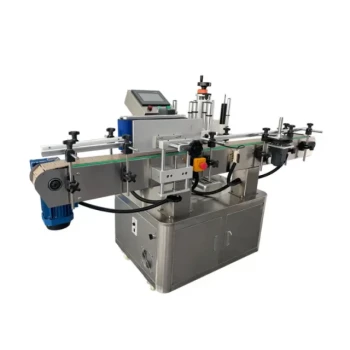
- Automatic In-Line Round Bottle Labeling Machine
- Classic Round Glass Honey Jar with Lid
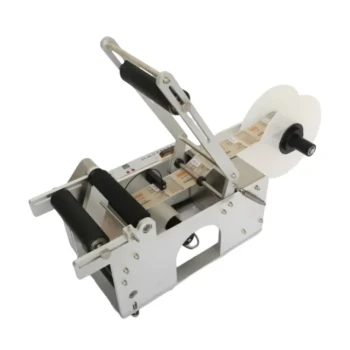
- Semi Automatic Round Bottle Labeling Machine
- Durable Plastic Hive Number Set for Beekeeping
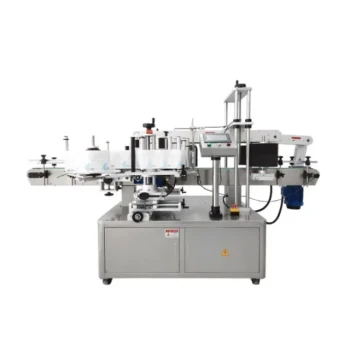
- Automatic Dual Sided In Line Labeling Machine
People Also Ask
- What are the key components of an automatic labeling machine? Unlock High-Speed, Precision Labeling
- What are the efficiency benefits of an automatic labeling machine? Boost Speed, Accuracy & Consistency
- How does an automatic labeling machine operate? Achieve High-Speed, Precise Product Labeling
- How does an automatic labeling machine reduce labor costs? Slash Overhead & Boost Productivity
- Why is it essential to integrate a high-performance automatic labeling system? Secure Trust and Compliance in Honey